



Los Angeles According to: Sara Lee Hantman of Sea View
The Hollywood gallery makes its Frieze Los Angeles debut in 2026. Its founder explains how she opened it by accident in a city of ‘possibilities’
The Hollywood gallery makes its Frieze Los Angeles debut in 2026. Its founder explains how she opened it by accident in a city of ‘possibilities’
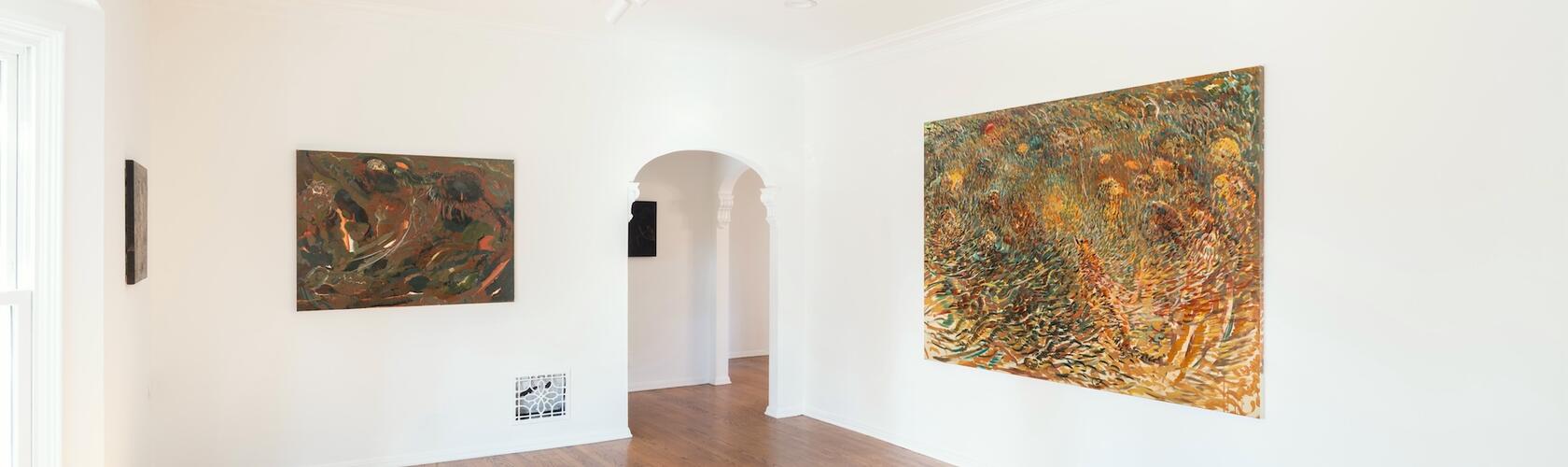
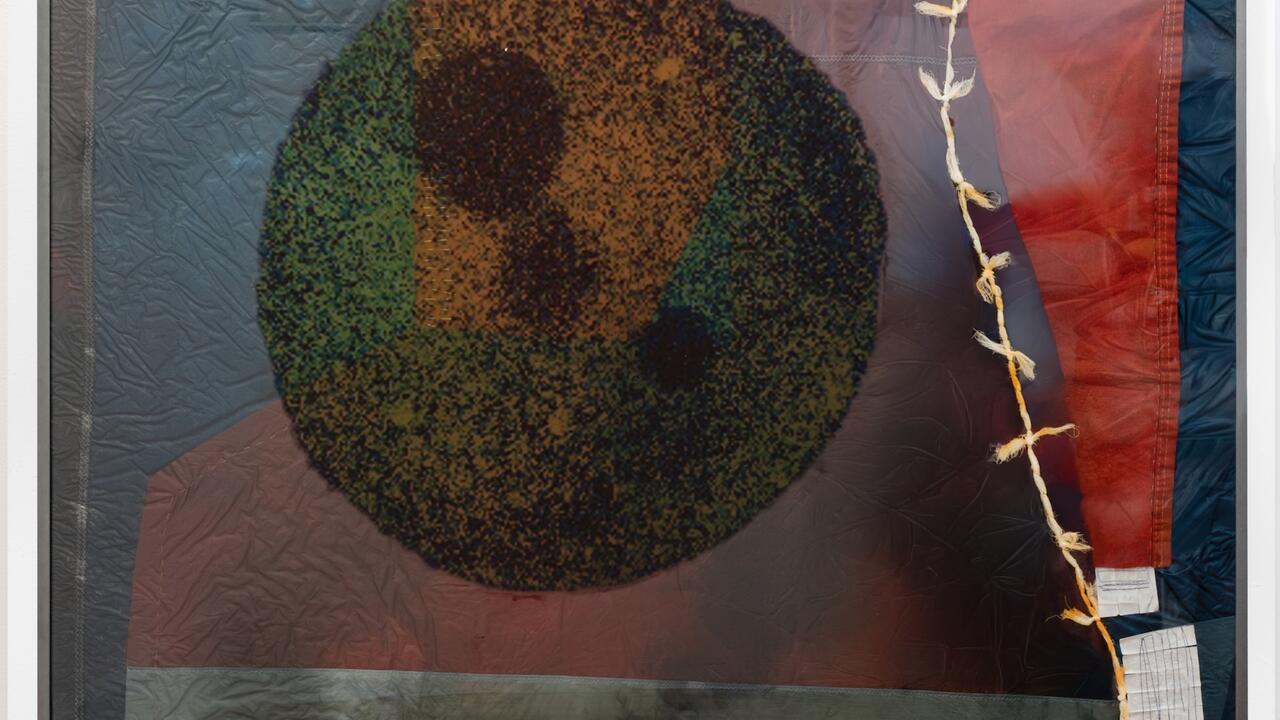
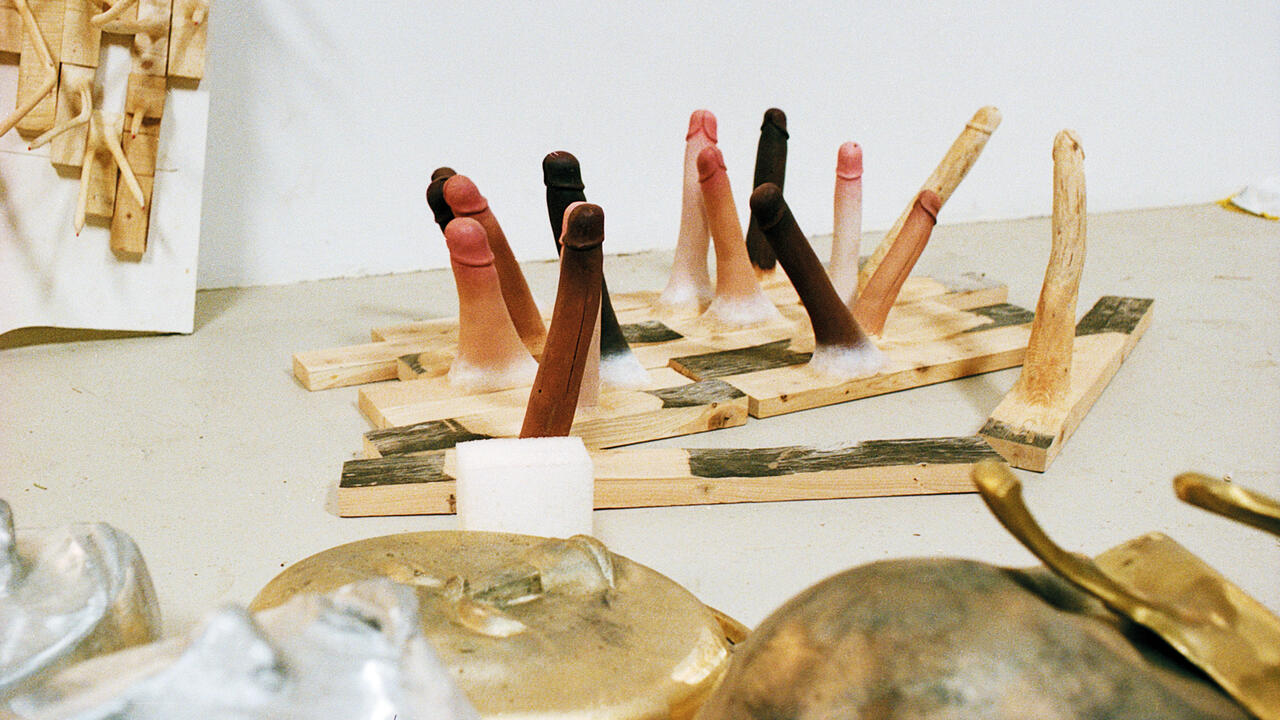
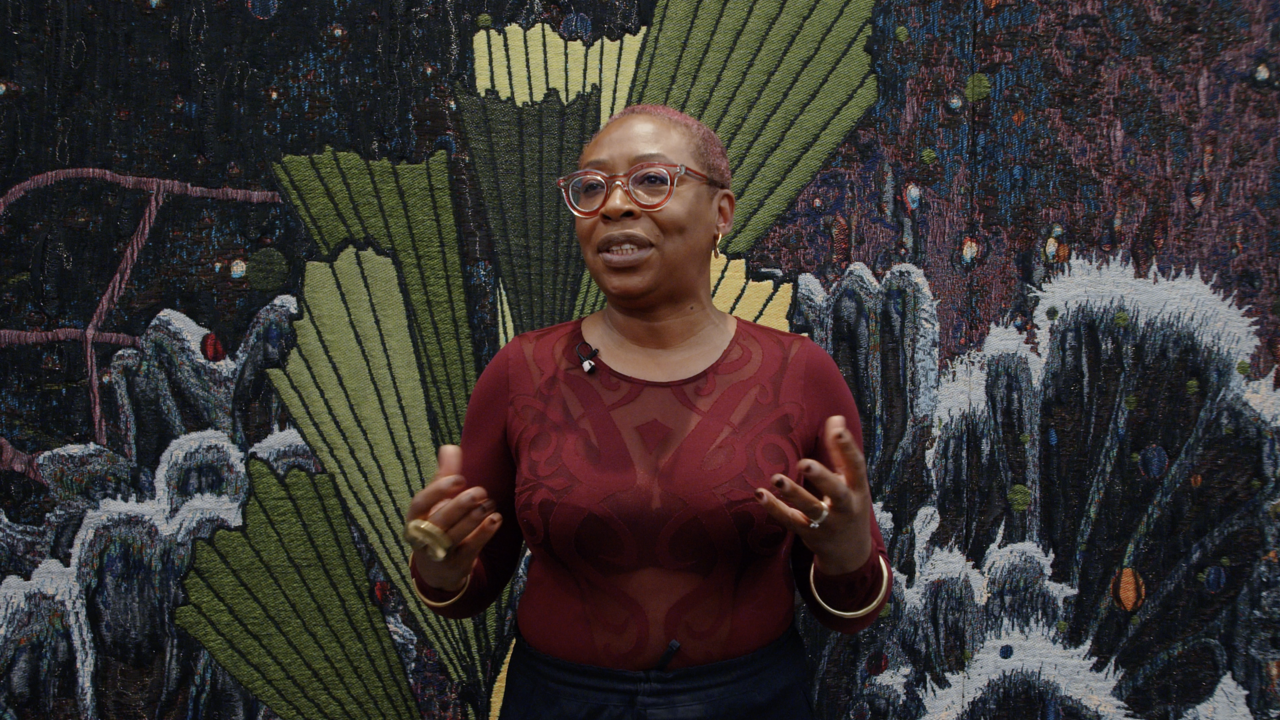
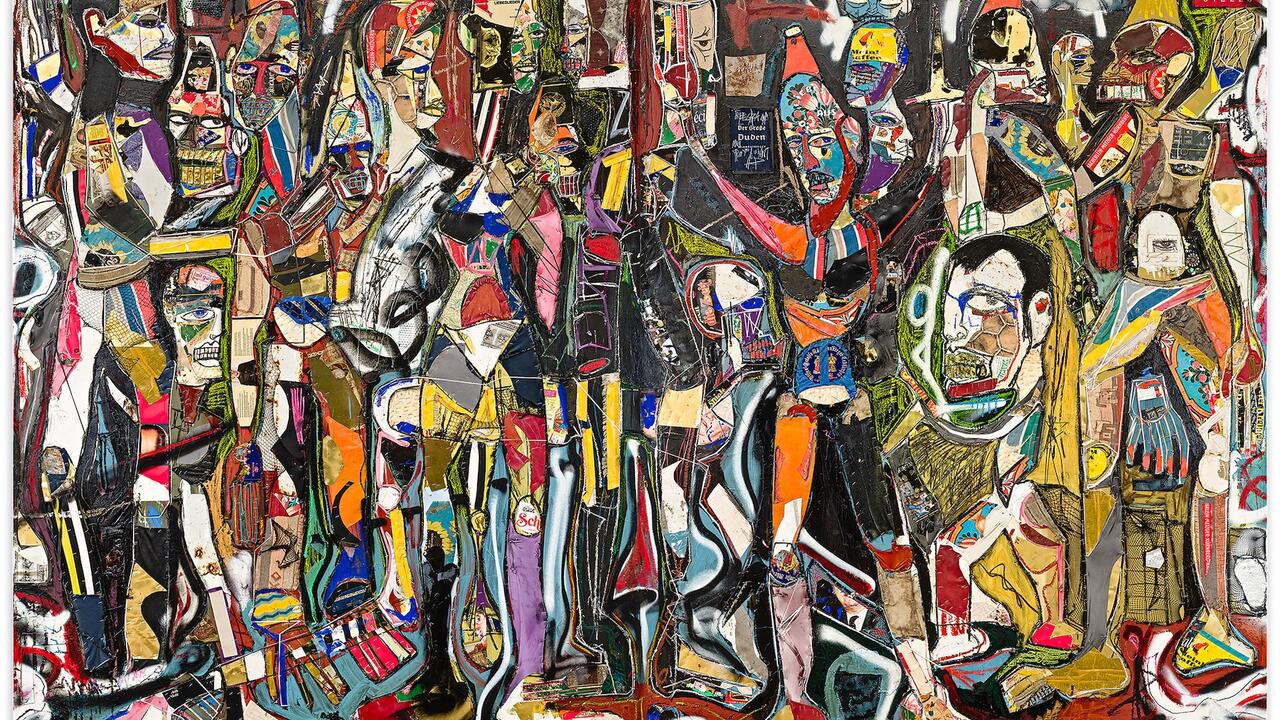
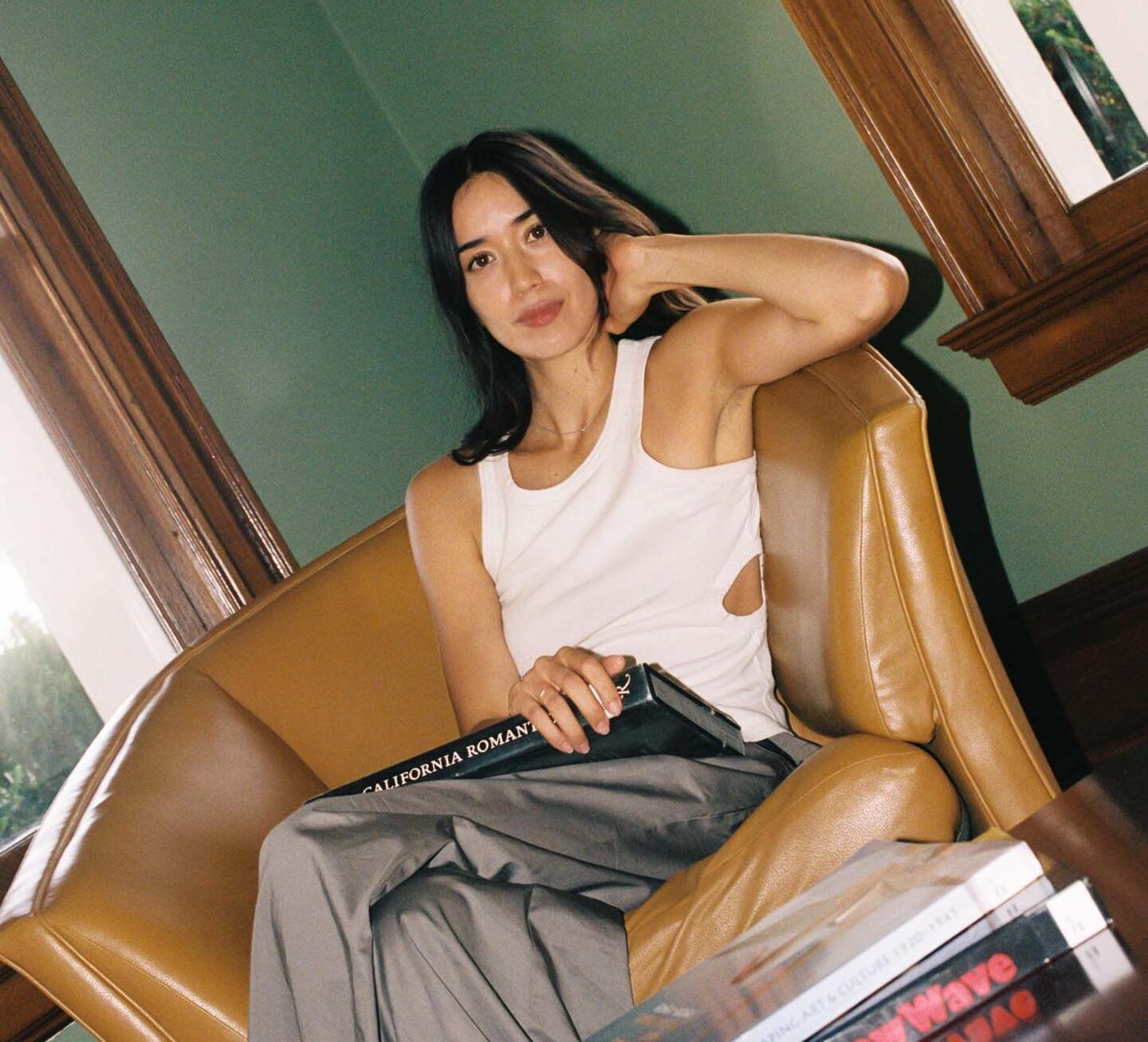
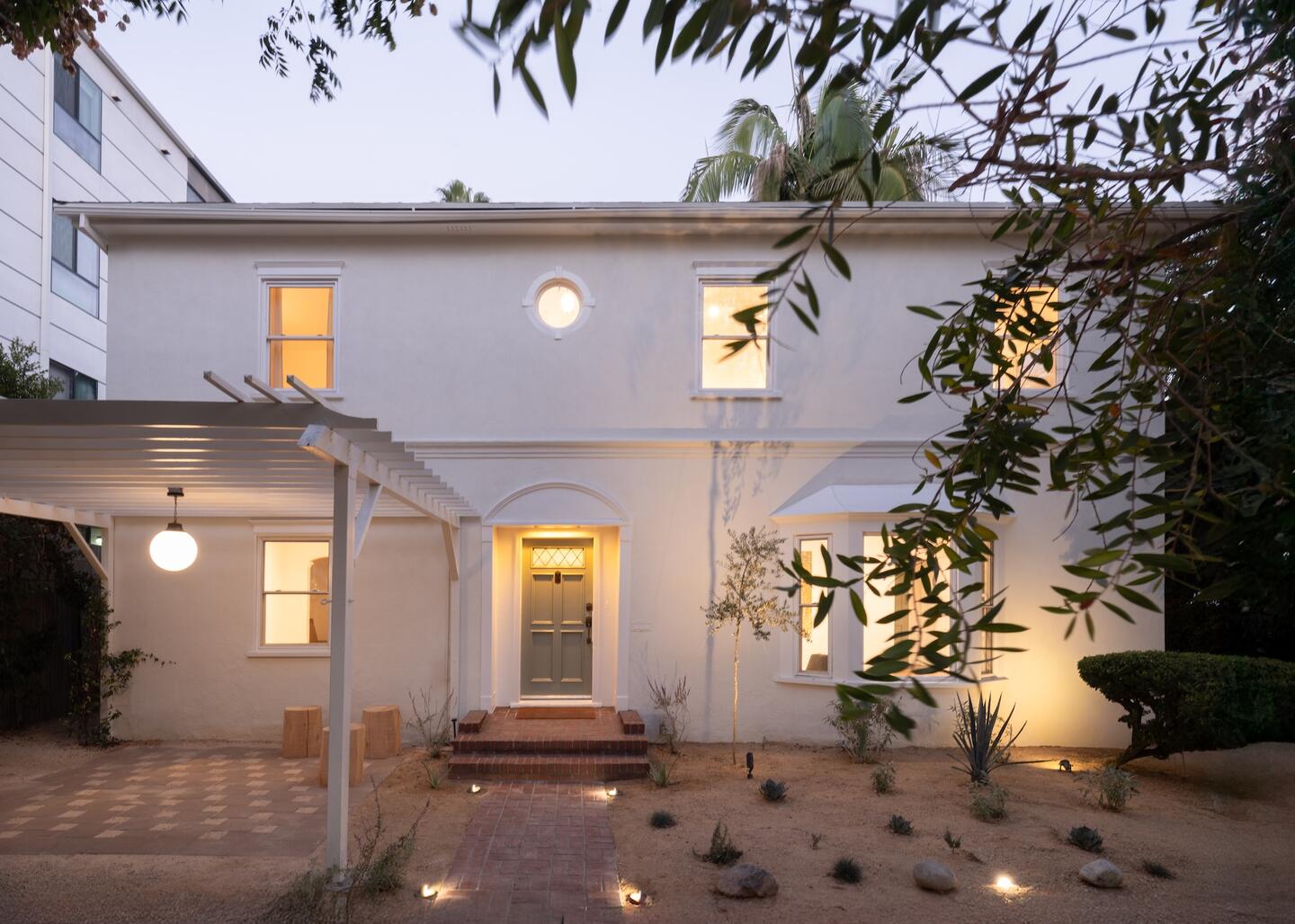
After working for a decade in Los Angeles at Venus Over Manhattan and Various Small Fires, New Yorker Sara Hantman had temporarily left the gallery world when she had the opportunity in 2022 to stage an exhibition in artist Jorge Pardo’s 1998 house-cum-installation Sea View in Washington Heights. This year, Sea View became a permanent entity after Hantman’s ‘timely introduction’ to a 1935 ‘Old Hollywood’ house off Fountain Avenue. She explains how the light and ‘vastness’ of her adopted city inspire her, and the pros of having a gallery in your house.
What’s your personal relationship with Los Angeles?
I’m from the East Coast. I thought I would live and die in New York, but I got a job as the director of Adam Lindemann’s gallery Venus Over Manhattan, opening his new space in LA. It was on a whim; my friends were like, ‘See you in six months.’ But 12 years later, I’m still exploring the vastness of Los Angeles: all this history, all these corners that have yet to be discovered. LA is such a unique and shape-shifting place: there are so many possibilities here.
Do you feel like Sea View Gallery is one of those corners?
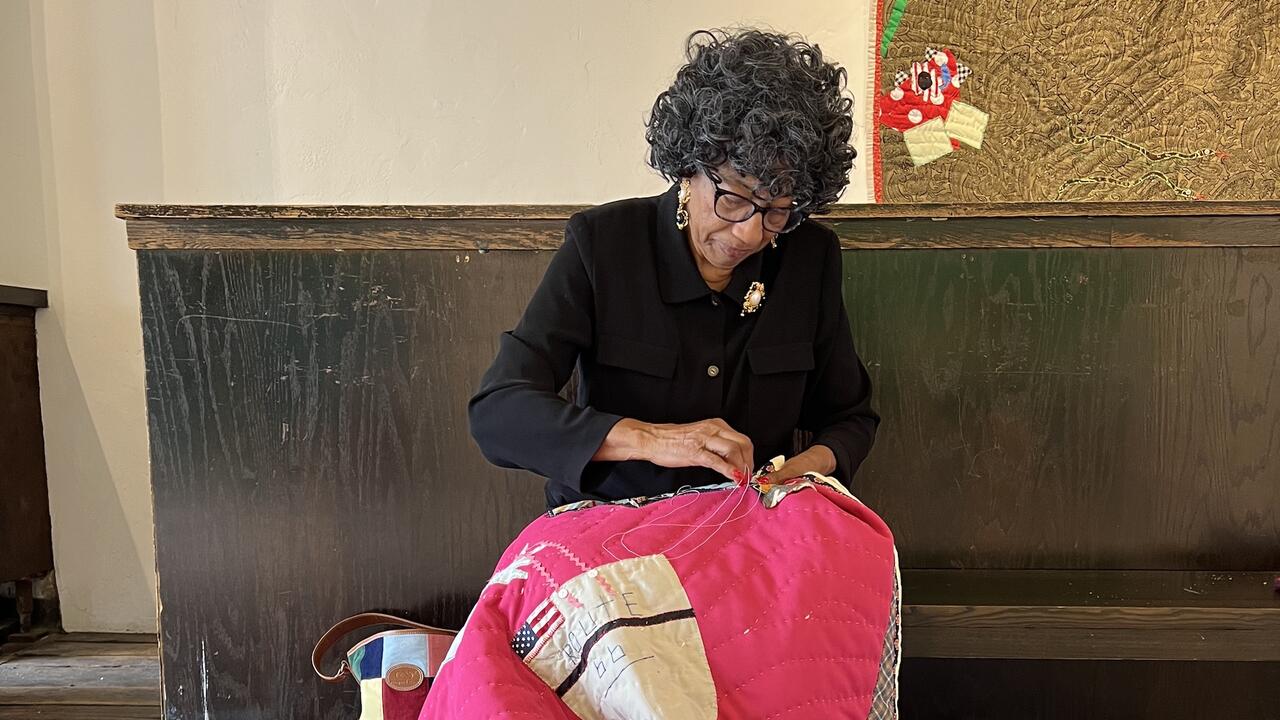
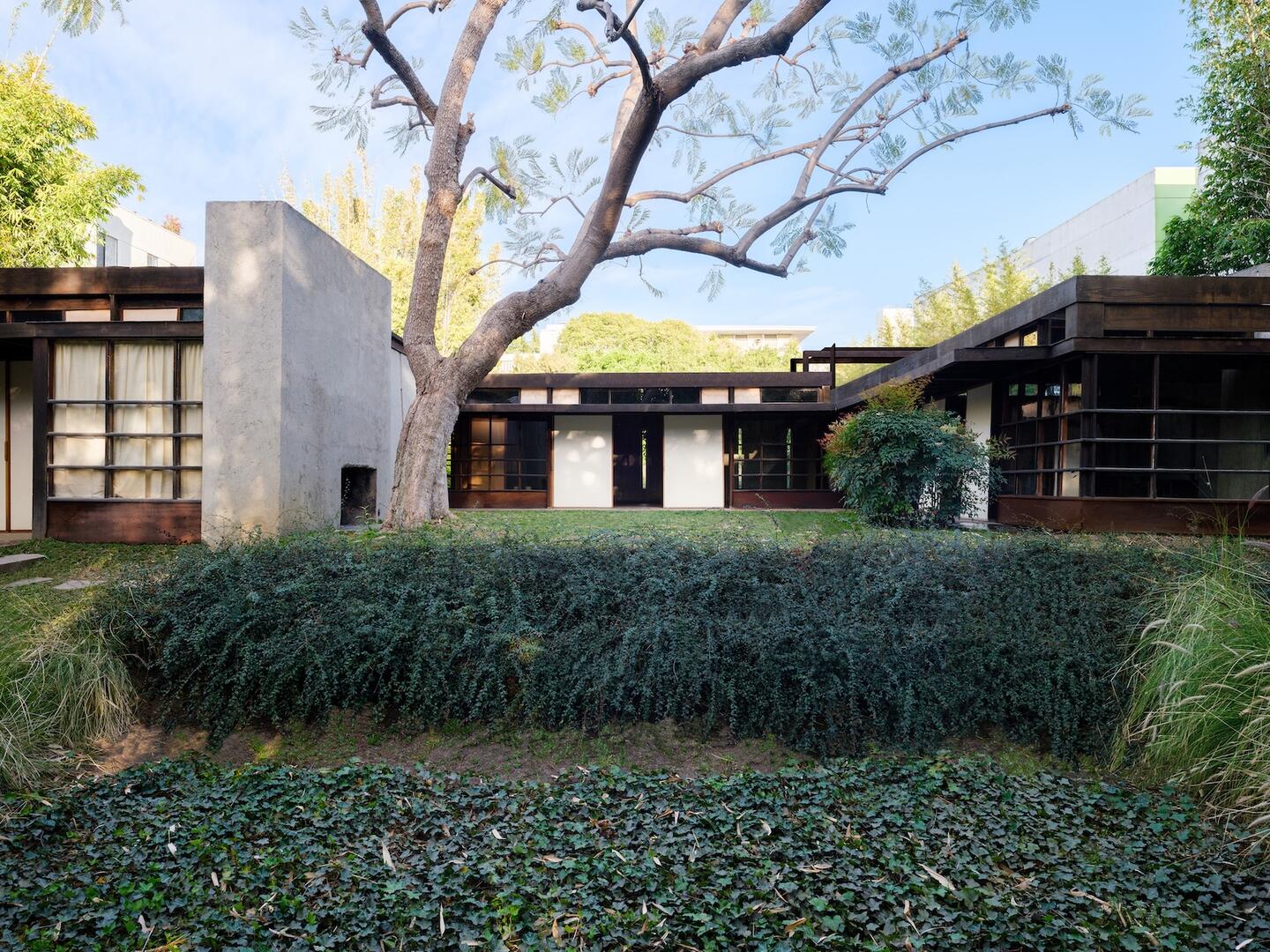
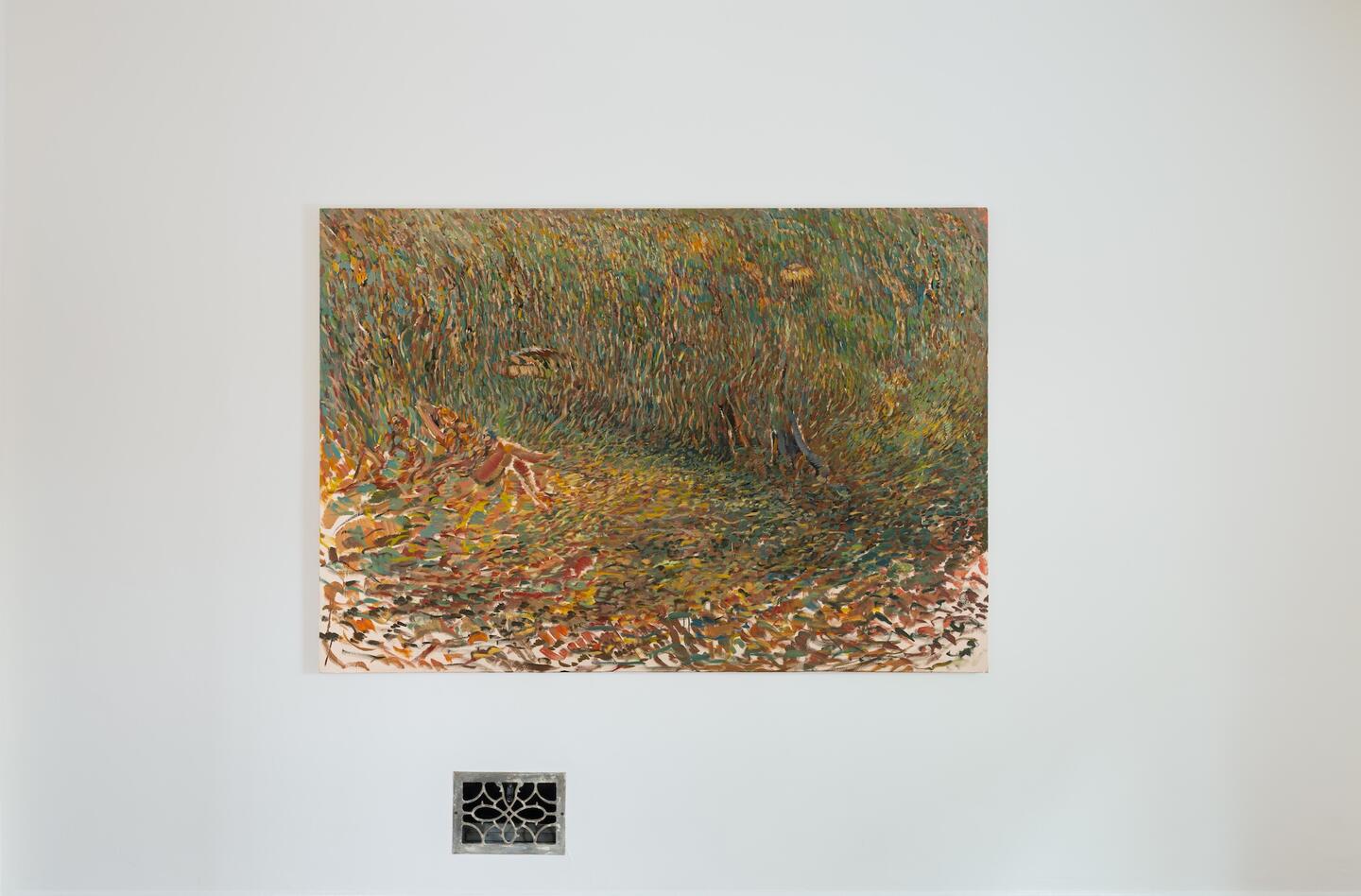
That’s such a nice way of putting it. The gallery came together around taking an enormous risk on a particular building. LA has this bad rep for not having historical spaces or ‘authentic’ architecture. But that's nuts. I love the MAK Center for Art and Architecture. I’d never experienced that before in the US, walking into a historic home that is so thoughtfully restored and such an interesting backdrop for contemporary art. When I came across this building, the goal was to restore it to its original splendour, because it had all these 1930s details that were falling apart. I never really wanted to open a gallery. I was advising and came across this historic space through a timely introduction. My friend and I were planning to curate an exhibition together, a one-off for maybe six weeks. I pitched that to the landlord and she told me that she was only considering long-term tenants. So, within three or four days, I had to decide to open an art gallery. And that became Sea View. I think that has inspired the programming and the ethos of the gallery, which is to have this dialogue between the work and the environment. One of the first shows we did was Hélio Melo – a Brazilian national treasure – and Alison Saar – a Los Angeles treasure – and that pairing instigated the kind of conversations I wanted to have as a gallerist.
Did it ever cross your mind to open a gallery in a different city?
I’ve thought about going back to New York, but LA is very open, with a history of alternative spaces. The LA art world has always been less precious than New York or Europe about the way it exchanges ideas. It really welcomes new ideas and new people, because it wants to grow rather than shut people out. One of my first exchanges here was with a woman who walked up to me and I thought I was going to get jumped, but she just wanted to tell me that I was in a no-park zone. Nobody walks up to you in New York, whereas in LA, people are open and curious. LA’s art community has always been a collaborative space where we’re learning to survive and build things together.
What’s it like having a gallery in an old, residential building?
I was really influenced by seeing galleries in Europe, where there’s no distinction between a commercial space and a residential one. You see a gallery like Brunette Coleman in this gorgeous, crumbling 19th-century apartment building, or Thaddaeus Ropac in this palatial townhouse. People in the US always ask me: ‘Why choose a domestic model rather than a commercial one?’ For me, it’s really not about that distinction, but what the space is like: welcoming and inviting in a way that doesn't immediately register as transactional. I’m much more interested in that older model, which was more personal. There were gallerists in Los Angeles in the 1940s like Earl Stendahl and William N. Copley who were selling Picassos and Duchamps out of their living rooms. I like people to have a story. Maybe it isn’t the easiest gallery to find or get to, but it really sticks with them.
Not everybody wants to buy things online…
No! I think that’s one of the biggest changes I’ve experienced is that people are not willing to buy off PDFs anymore. They’ll fly their trusted advisor out to see the work in person. And I love that, because you know exactly who is acquiring these really cherished objects and works by artists that you have a responsibility towards. Although it means fewer sales in the overall scheme of things, it’s definitely a more personal and enjoyable way of doing business. I think that is key to our shows and the fairs that we do: we maintain that personal intimacy.
How has Los Angeles changed in the time that you've been living here?
In some ways, LA has changed a lot, and in other ways, it hasn't changed at all. More of the younger generation are buying art. They might not be collectors with a capital C – they’re music producers or filmmakers. LA has always been a city of creative enthusiasts because of the film industry. Everyone’s chasing something. I think a lot of galleries have come to try and reap the benefits of the momentum here, and have discovered that it’s actually like a micro-community. But one of the major positives is that once you build relationships with individuals, they’re with you for a lifetime. Plus, the community in LA is incredibly resilient and strong because it’s small. After the [2025] fires, so much of the resources and information was from other artists and people within my micro-community.
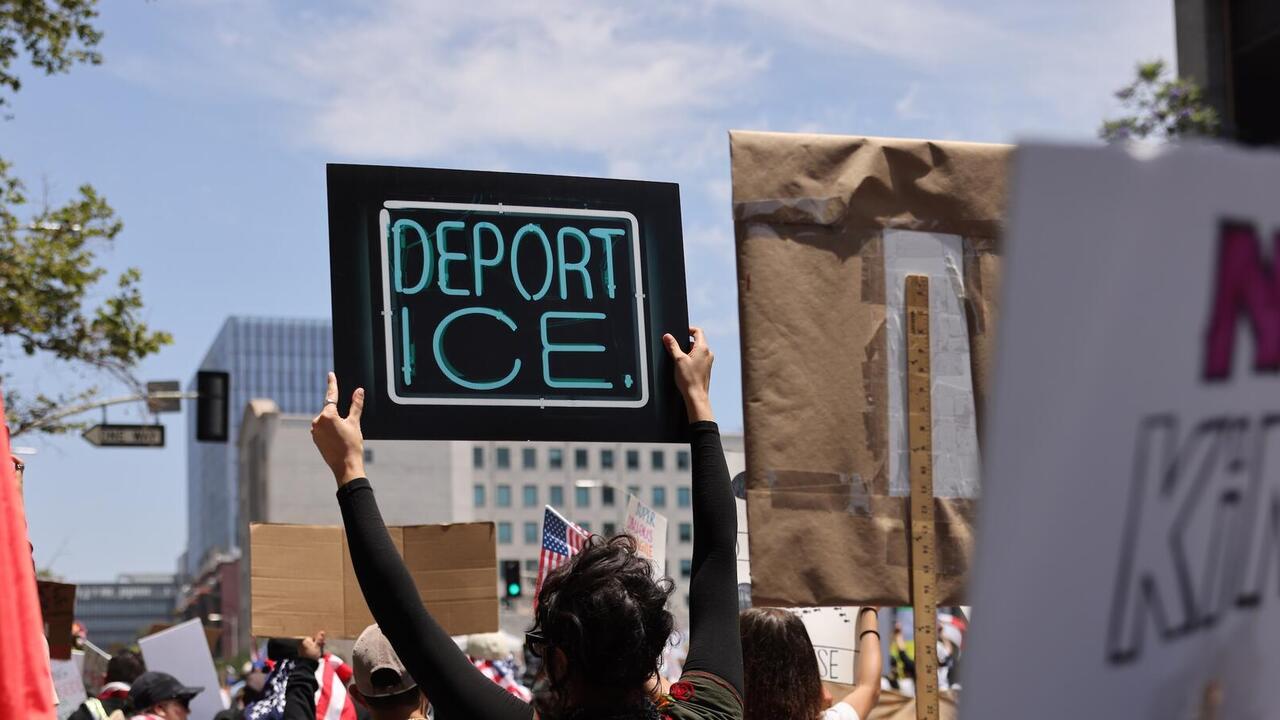
What effect are the ICE raids having on the community? Do you feel that your city of ‘possibilities’ is under threat?
Absolutely. Because we have such large diasporic Asian, Mexican and Middle Eastern communities here. But you also see people fighting for each other very visibly.
What’s your favourite institutional space in Los Angeles?
LACMA and MOCA: they feel like pillars. And I really love Armory Centre for the Arts [in Pasadena]. As for galleries: Hoffman Donahue, Lisson, Nonaka Hill, Marc Selwyn and Michael Werner.
Are there memorable exhibitions you’ve seen in LA recently?
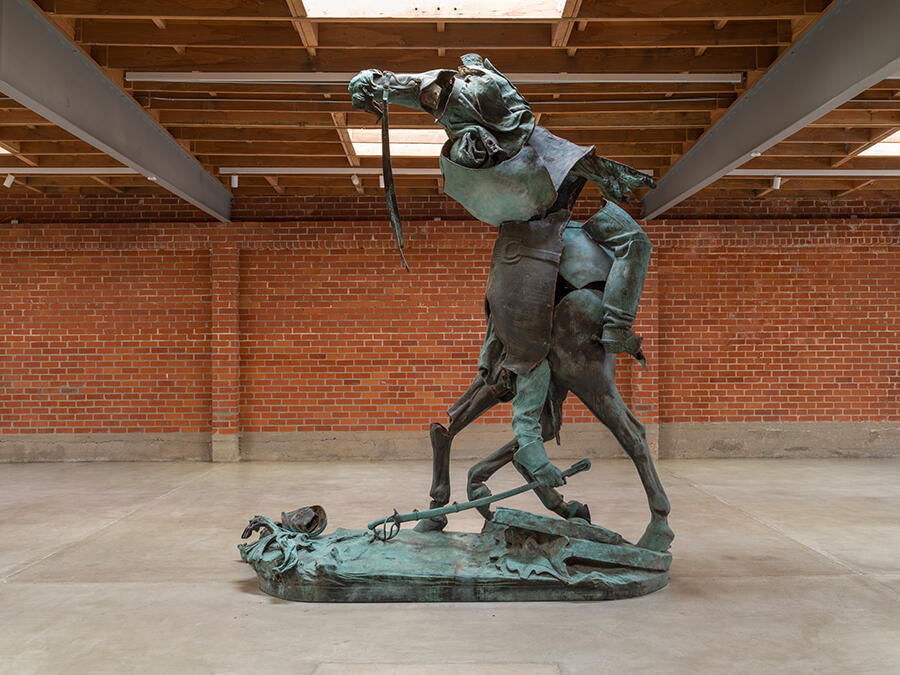
‘Monuments’ at MOCA and The Brick is non-negotiable: you’re not allowed to visit Los Angeles without going to it. I also loved the incredible show [‘my hands are monsters who believe in magic’] that Kris Kuramatsu curated at Armory Center this year of the Asian diaspora, with artists like Diane Severin Nguyen and Maggie Lee.
Who’s the artist you’re showing at Frieze Los Angeles 2026?
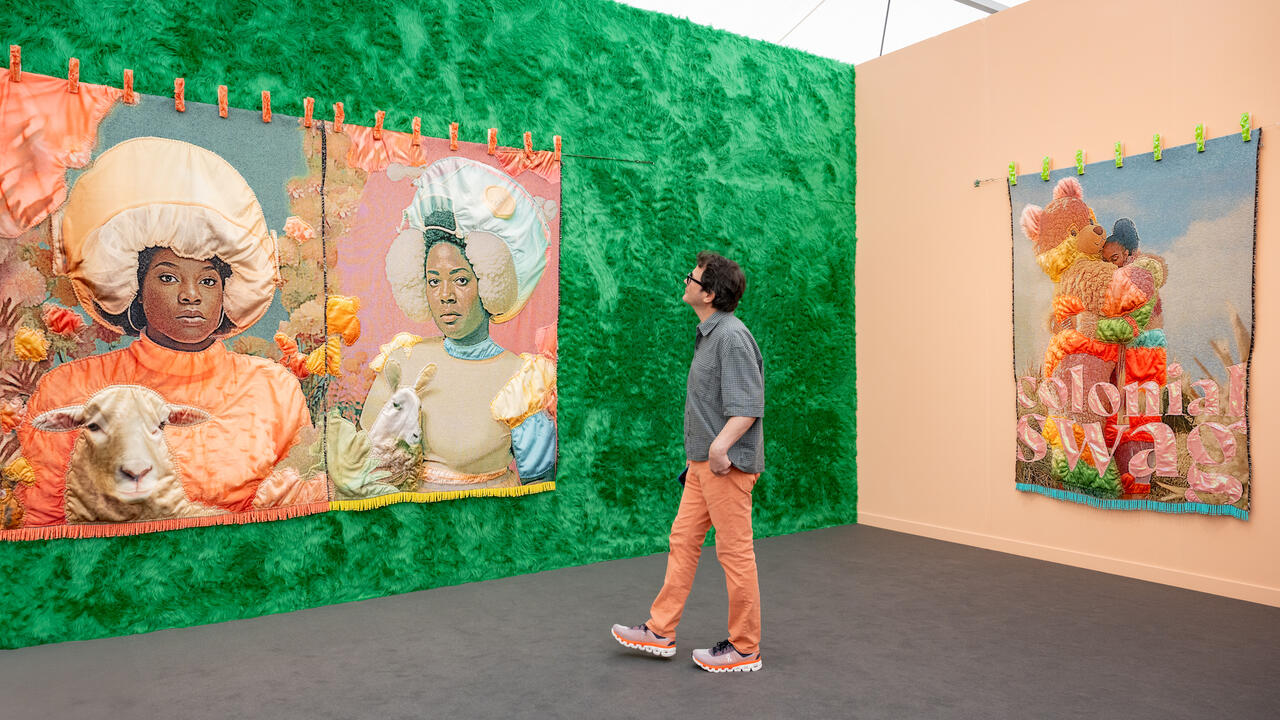
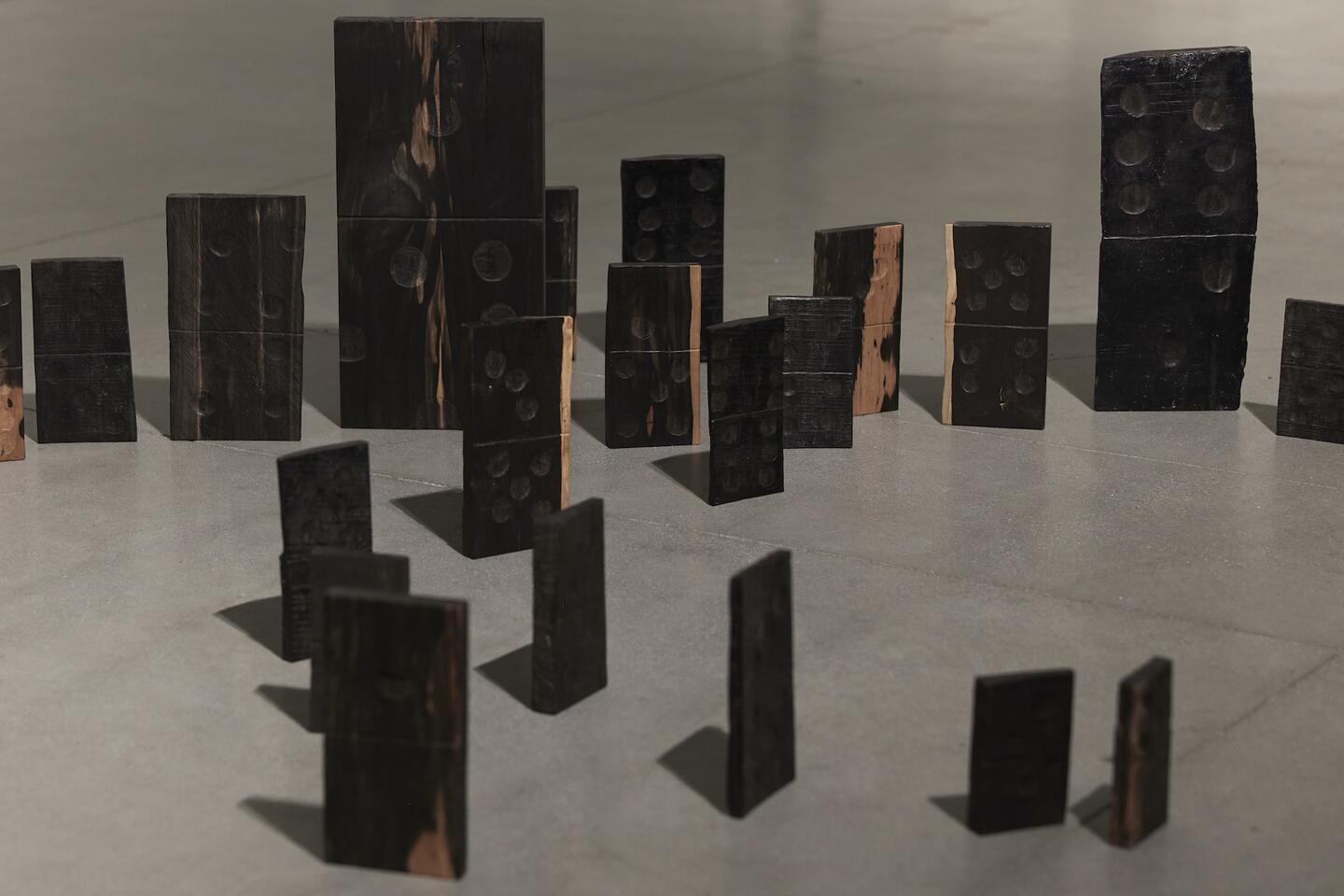
Zenobia Lee, an LA-based artist who plumbs narratives of discretion and queerness in the Caribbean diaspora through unexpected scale-shifts and materials. Our presentation of her at Frieze will coincide with her debut LA solo exhibition at Sea View [opening 21 February 2026].
Do you have any good LA eating and drinking recommendations?
I don’t like New School, and I hate lines and Yelp. My favourite LA haunts are Jones Hollywood, the Tam O’Shanter, Houston’s, Dan Sung Sa and Jitlada.
What’s the worst thing about Los Angeles?
Self-righteous wellness. There’s an outrageous amount of importance placed on performative healthiness here: it feels like we’re in [Terry Gilliam’s movie] Brazil, eating this horrible dish or getting this plastic surgery, all in the name of wellness.
And what’s the best thing about Los Angeles?
To quote David Lynch, ‘the light is light’. There’s nothing better than the light. It’s great for the art. It’s great for your mental wellbeing, and it’s great for daydreaming and seeing strange visions and shadows.
Sea View is presenting Zenobia Lee in the Focus section at Frieze Los Angeles 2026.
Further Information
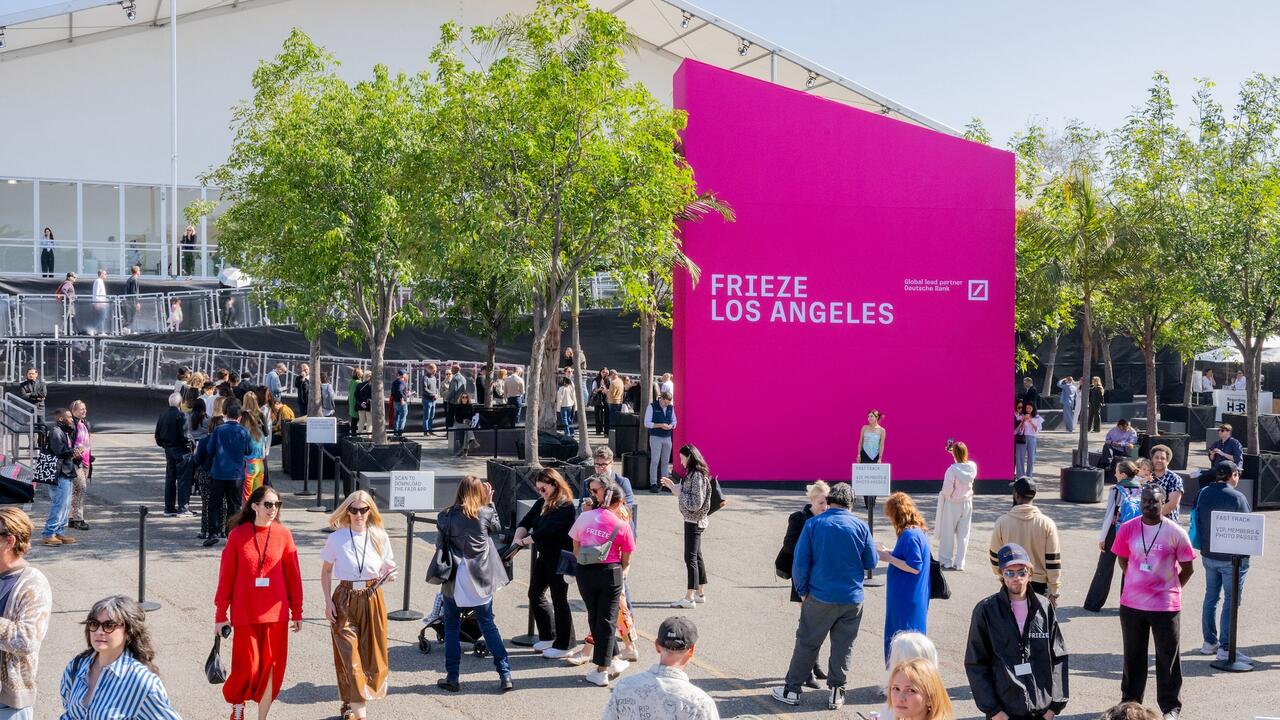
Frieze Los Angeles 2026, 26 February – 1 March 2026, Santa Monica Airport.
Limited early-bird tickets are available now, or become a Frieze Member for priority access, multi-day entry, exclusive guided tours and more.
For all the latest news from Frieze, sign up to the newsletter at frieze.com, and follow @friezeofficial on Instagram and Frieze Official on Facebook.
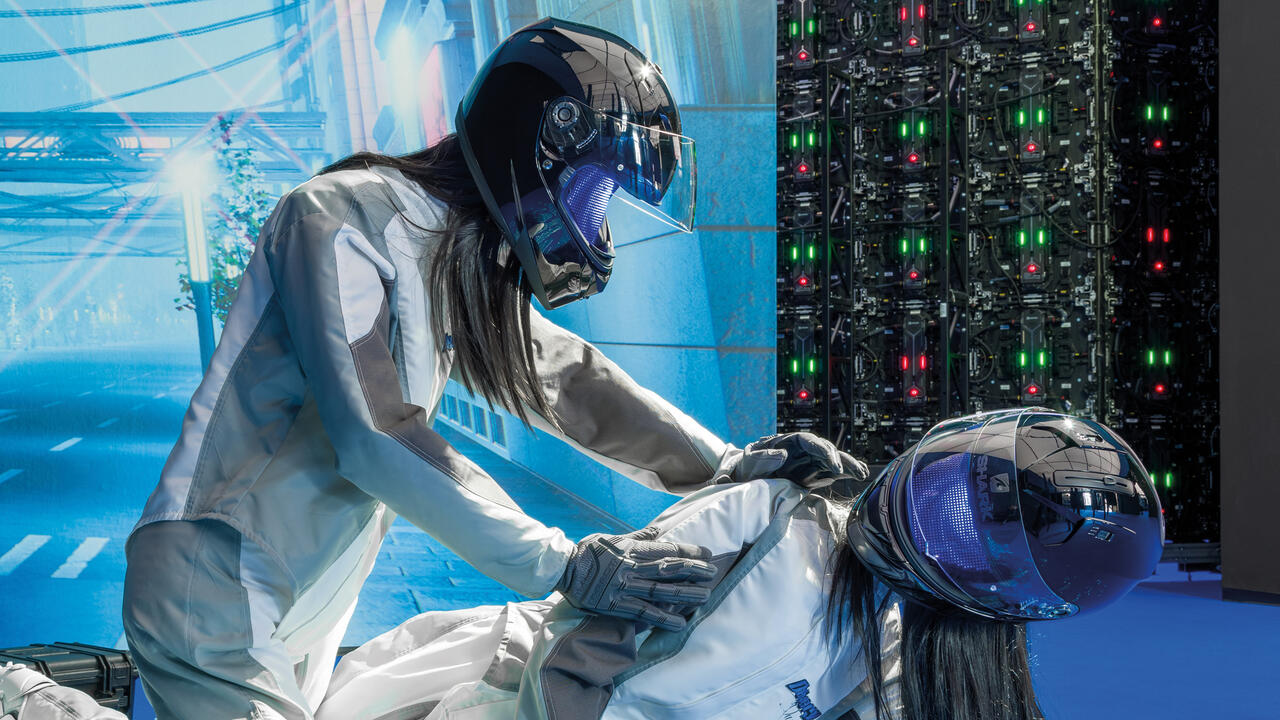
Main image: Amitesh Shrivastava, ‘Talking to the Moon’, 2025, installation view at Sea View, Los Angeles