



‘My Love of Art Is Undiminished’: Maureen Paley on Her New Space
The legendary gallerist looks ahead as she opens a Wolfgang Tillmans exhibition, launching a new gallery in his former East End studio
The legendary gallerist looks ahead as she opens a Wolfgang Tillmans exhibition, launching a new gallery in his former East End studio

Sean Burns Your forthcoming exhibition with Wolfgang Tillmans inaugurates a new space in what was previously his studio. Could you talk about the significance of that space and what it means for the gallery?
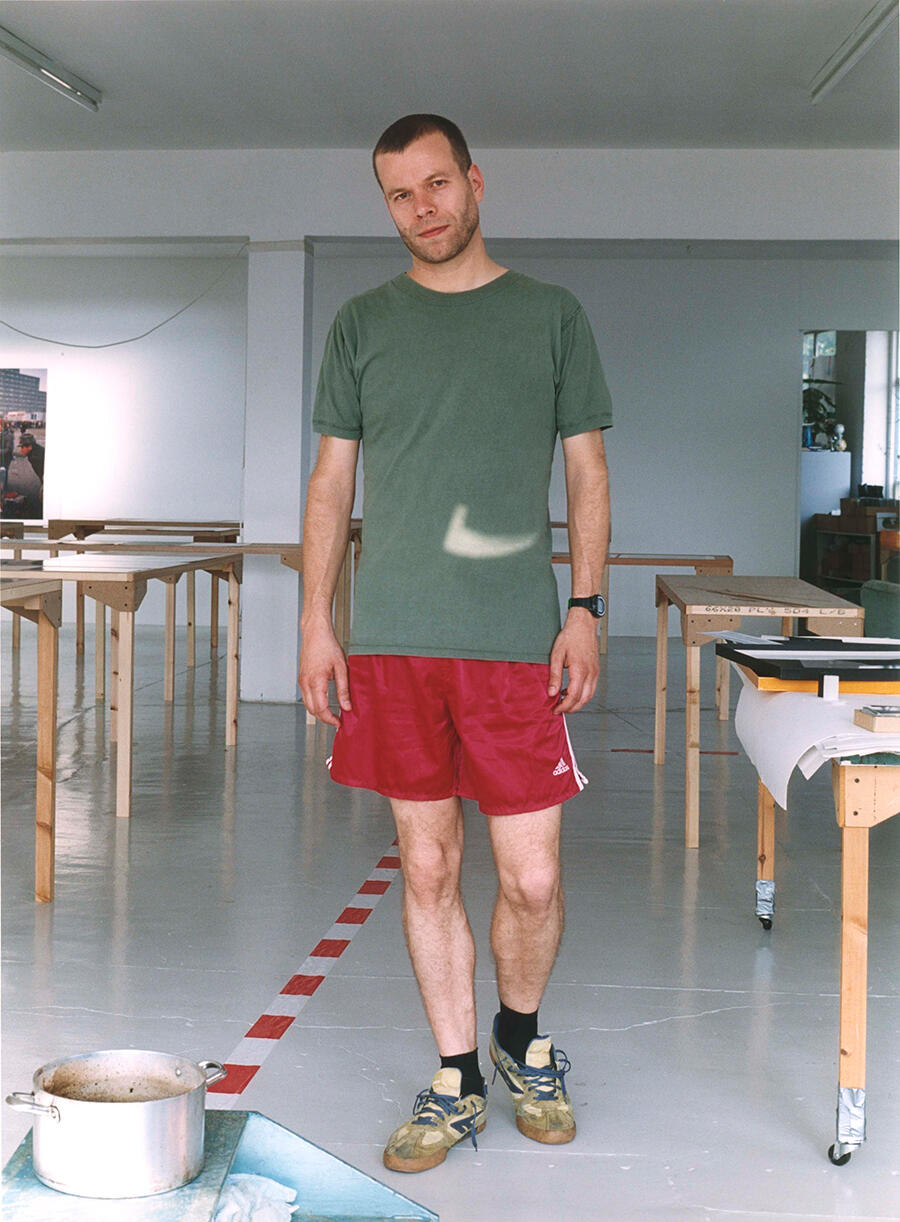
Maureen Paley When the prospect arose of creating a gallery in part of Wolfgang’s old studio, I immediately saw the significance of this and called him to get his blessing and to ask if he would inaugurate the space with an exhibition. He generously agreed to both. I feel a real intimacy with this site, based on many studio visits and memories of the epic parties he staged there between 2001 and 2011. I wasn’t looking to move my gallery; I see this as an amplification of the new locations I’ve nurtured and created in Bethnal Green and Shoreditch over the past five years. Call it serendipity or a bit of magic, but the proximity to our Three Colts Lane space seemed too good not to act upon. Wolfgang and I saw it as a circle of energy – it being the place where his Truth Study Centre [2005–ongoing] emerged and the first ‘paper drop’ [2001–ongoing] works were made. The space retains his spirit, and the current show reflects on this in places.
SB The exhibition will occupy all three of your London premises. What are your considerations when staging such an expansive exhibition?
MP Instead of announcing the opening of a new space and closing other premises to do so, I wanted the exhibition to breathe and be expansive, allowing viewers to experience all these locations that I love. Three Colts Lane has served me well, and I adore Studio M in Rochelle School. Having the show stretch over these various spaces allows Wolfgang to introduce a filmic element and share the range of his practice in unexpected ways.
SB You are a resilient and supportive presence in London’s gallery scene. What advice would you give to the many new galleries that have emerged in recent years, particularly those in your east London neighbourhood, such as NEVEN, Rose Easton and others?
MP Thank you. I have so many adventurous and exciting spaces surrounding me. I’m inspired by their intelligence and excellence; their programmes are innovative and risk-taking. My love of art is undiminished after all these years, and I still feel I have so much to learn about. Creativity feeds the soul of the world, especially when times are dark.
Hope springs eternal, and times that are ‘difficult’ can produce great art and a sense of solidarity and community against the odds.
SB Your gallery has a reputation for championing emerging and established artists. How do you decide which artists to support, and what qualities in their work capture your attention?
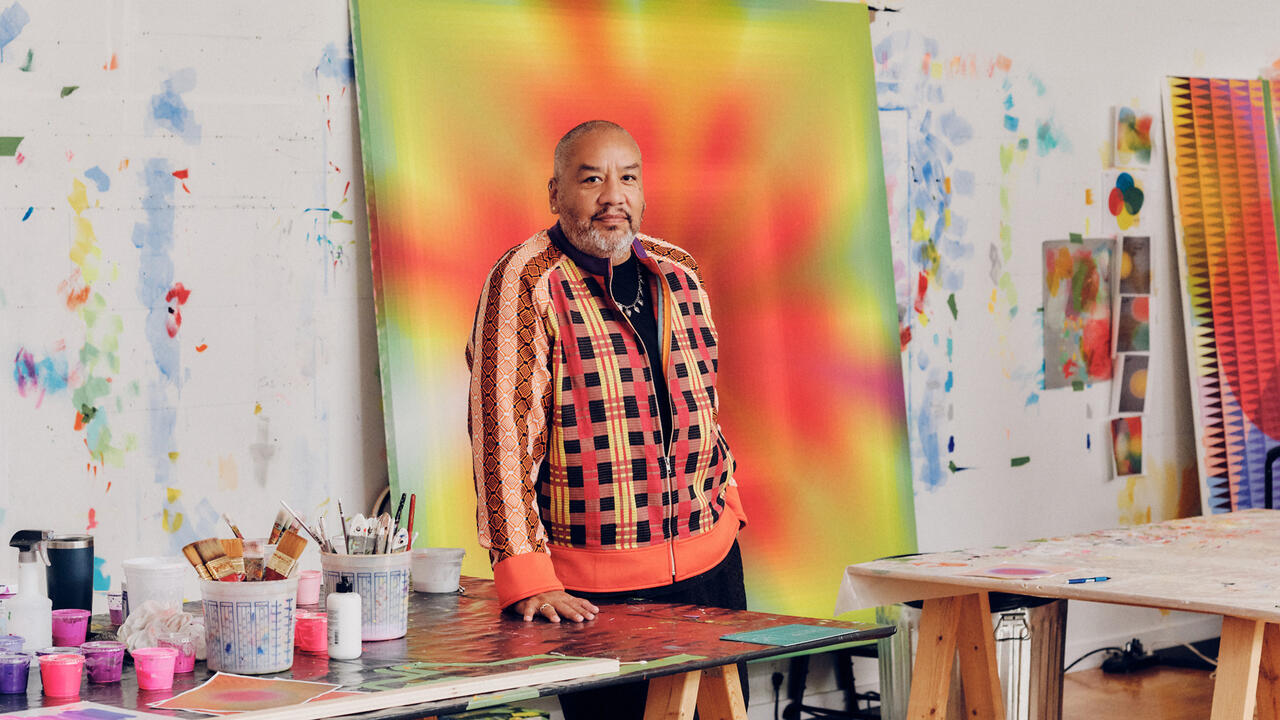
MP I’m drawn to artists in a variety of ways and in a range of mediums. It’s hard to pinpoint one quality that I’m looking for. I feel pleased to have chosen a few artists early on, when they were emerging, who have stayed the course and become established under the gallery’s wing. Wolfgang Tillmans, Rebecca Warren and Gillian Wearing come to mind – all of them have made their mark on the international stage. Newer artists, such as Felipe Baeza, Chioma Ebinama and Paulo Nimer Pjota, have become more well known since my earliest exhibitions with them.
SB Figures such as the painter Peter Davies have described the past few years as a particularly vibrant period for London, with the city experiencing a post-COVID-19 surge of talent. How would you compare this period to previous years in terms of artistic activity and cultural significance?
MP Things move in cycles. The early 1990s had an energy surge, too. Hope springs eternal, and times that are ‘difficult’ can produce great art and a sense of solidarity and community against the odds.
SB With the proliferation of social media, which increasingly mediates our experience of art, how do you think audiences’ expectations of contemporary art have changed, and how has that affected the way you present work
MP There is an acceleration of awareness that I link to social media in a positive way. The old notion of gatekeepers has eroded, and artists and creatives are able to expose their work and activity to a wider audience without some of the previous constraints regarding location, representation or hierarchies, which no longer apply with the same intensity. Widening the collective experience can be daunting, but I enjoy sharing knowledge and connecting through such platforms.
SB Are there any forthcoming shows – in the UK and abroad – by the artists you represent that you’d like to highlight, or are there artists you’re particularly drawn to at the moment?
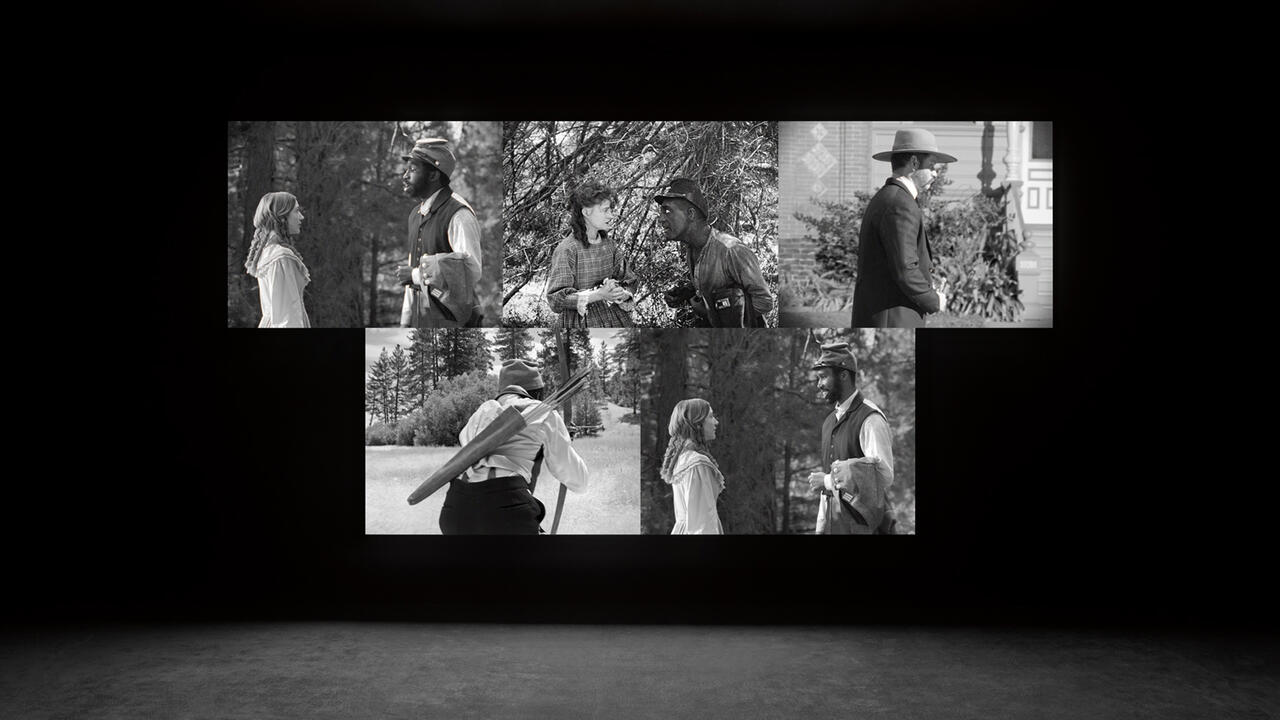
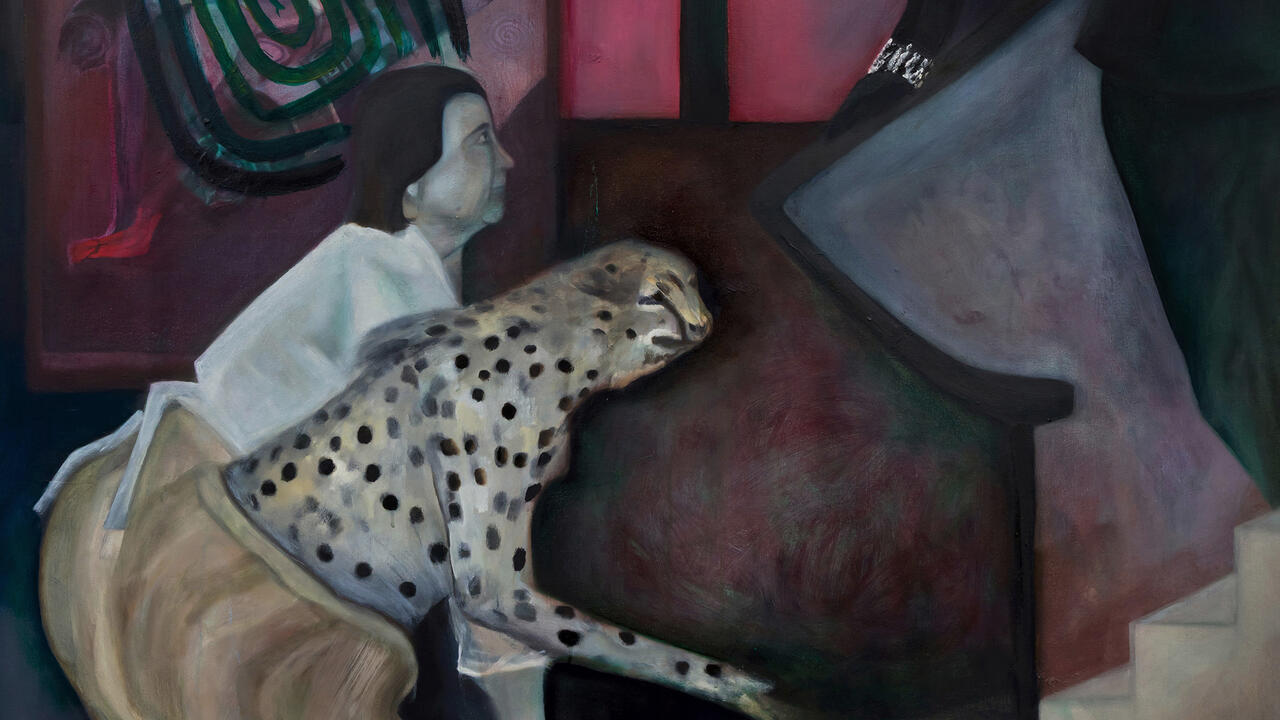
MP I’m delighted that a number of our artists are about to have solo shows in the UK and Ireland. We are in the planning stages, but I can mention a few that are forthcoming in 2026: Olivia Plender at Modern Art Oxford, Merlin James at Camden Art Centre, London; Paulo Nimer Pjota at South London Gallery; and Anne Hardy at VISUAL Carlow and Talbot Rice Gallery, Edinburgh. We are also in discussions with the National Portrait Gallery, London, for a portrait exhibition with Tillmans set for 2027–28. Not to mention the Reverend Joyce McDonald solo exhibition currently on at the Bronx Museum, New York, organized by Visual AIDS; and Jane and Louise Wilson, whose solo show is open at Mithraeum Bloomberg SPACE and who are participating in the Sculpture in the City project at the Leadenhall Building, both in London. Lawrence Abu Hamdan is showing Zifzafa [2024] at the Munch Museum, Oslo, and Alexandra Bircken is about to open a solo show at Culturgest, Lisbon. There are perhaps too many to highlight, and I’m delighted that the gallery artists are receiving these opportunities – it means a lot.
If you have an idea or hope, pursue it as best you can and ignore any voices, internal or external, that say ‘no’.
SB It’s often said how tricky it is for artists to thrive in the city under current economic conditions. I’m curious: what challenges do you see facing young artists? What can they do to flourish?
MP There’s a Robert Frost quote that comes to my mind when things seem difficult, from his 1915 poem ‘A Servant to Servants’: ‘The best way out is always through.’ I began in far worse conditions than now and somehow managed to flourish. I had no expectations. The ‘no future’ once declaimed by the punk period – with their embrace of DIY approaches – seems to have become today’s dystopian reality, yet somehow art survives, like weeds pushing through barren ground. If you have an idea or hope, pursue it as best you can and ignore any voices, internal or external, that say ‘no’.
SB Finally, what are you most looking forward to this autumn and during the Frieze period?
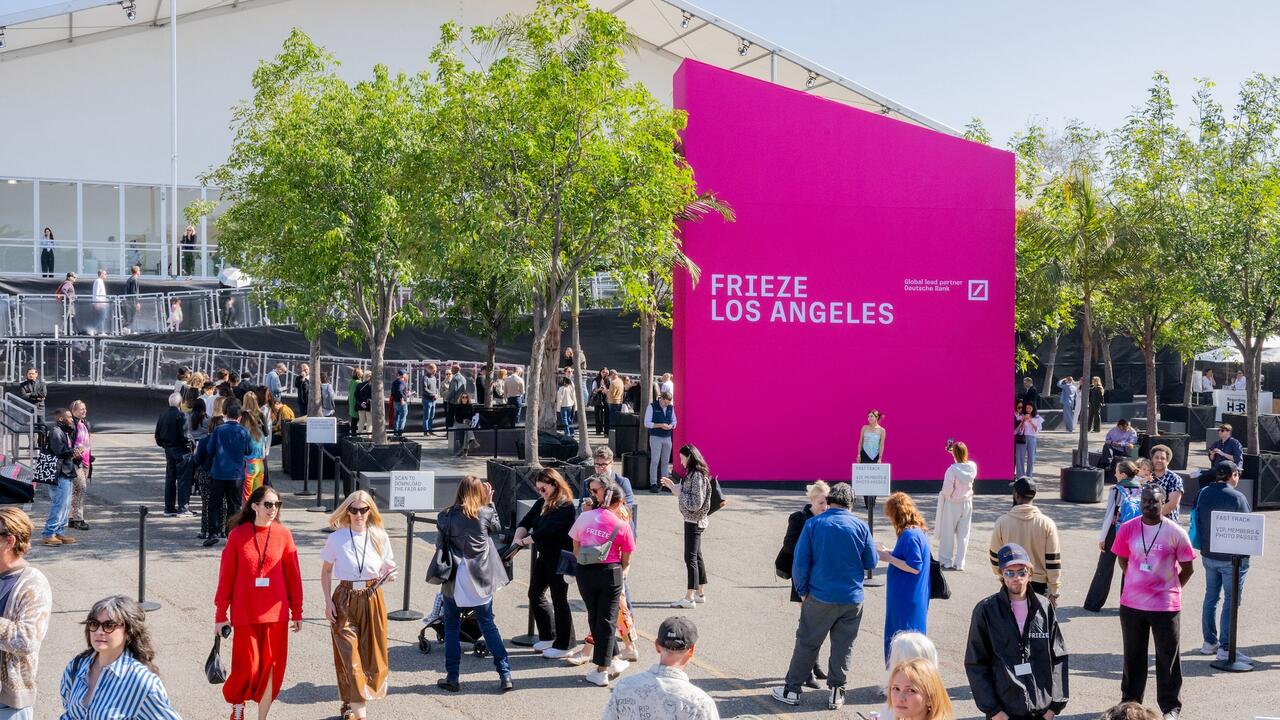
MP Together with the Peter Hujar Archive & Foundation and Pace Gallery, I’m co-hosting a screening of Ira Sachs’s film Peter Hujar’s Day [2025], starring Ben Whishaw and Rebecca Hall, at the Institute of Contemporary Arts, London. And, of course, I’m looking forward to opening my new space and welcoming everyone to Wolfgang’s ‘Build from Here’ exhibition.
SB Thank you.
Wolfgang Tillmans’s ‘Build from Here’ is on view at all three of Maureen Paley’s London spaces – 4 Herald Street, 60 Three Colts Lane, and Studio M at Rochelle School – until 20 December.
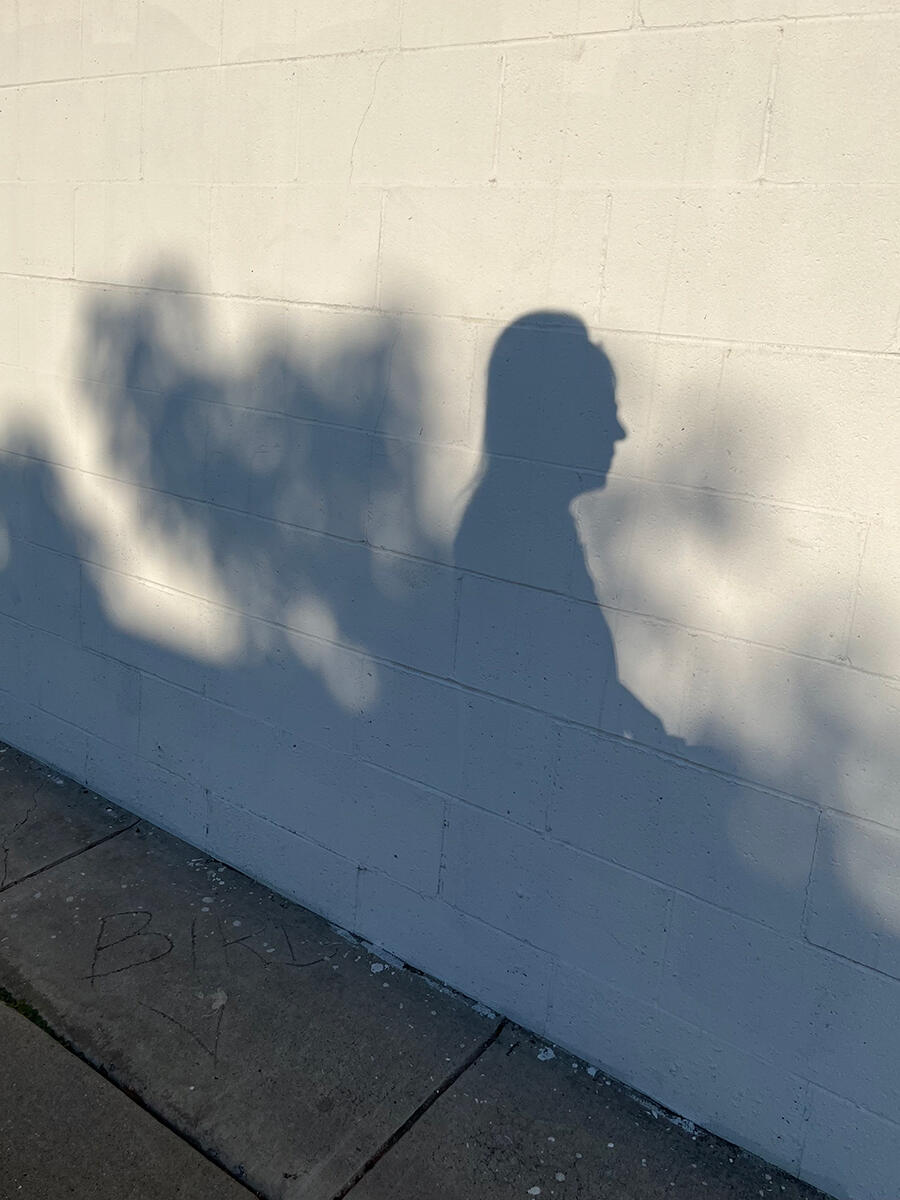
Main image: Wolfgang Tillmans, Studio Light, 2006. Courtesy: the artist and Maureen Paley, London