



Six Curators to Watch in 2026
Spanning blockbuster biennials and new Kunstverein appointments, these are the curators poised to shape the art world in the year ahead
Spanning blockbuster biennials and new Kunstverein appointments, these are the curators poised to shape the art world in the year ahead
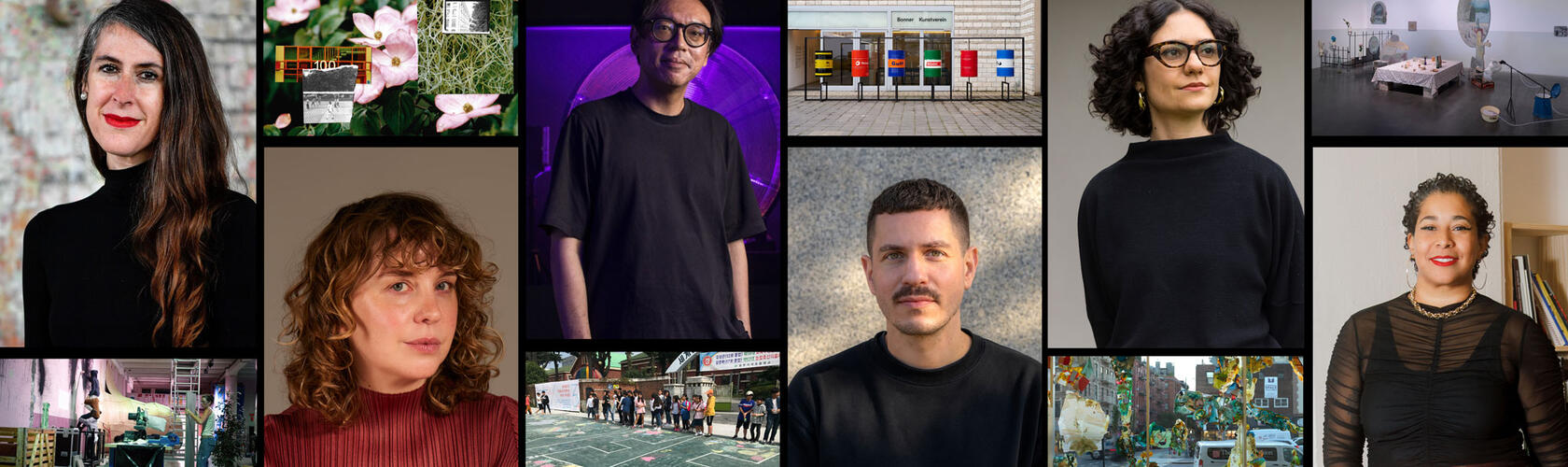
Catherine Nichols
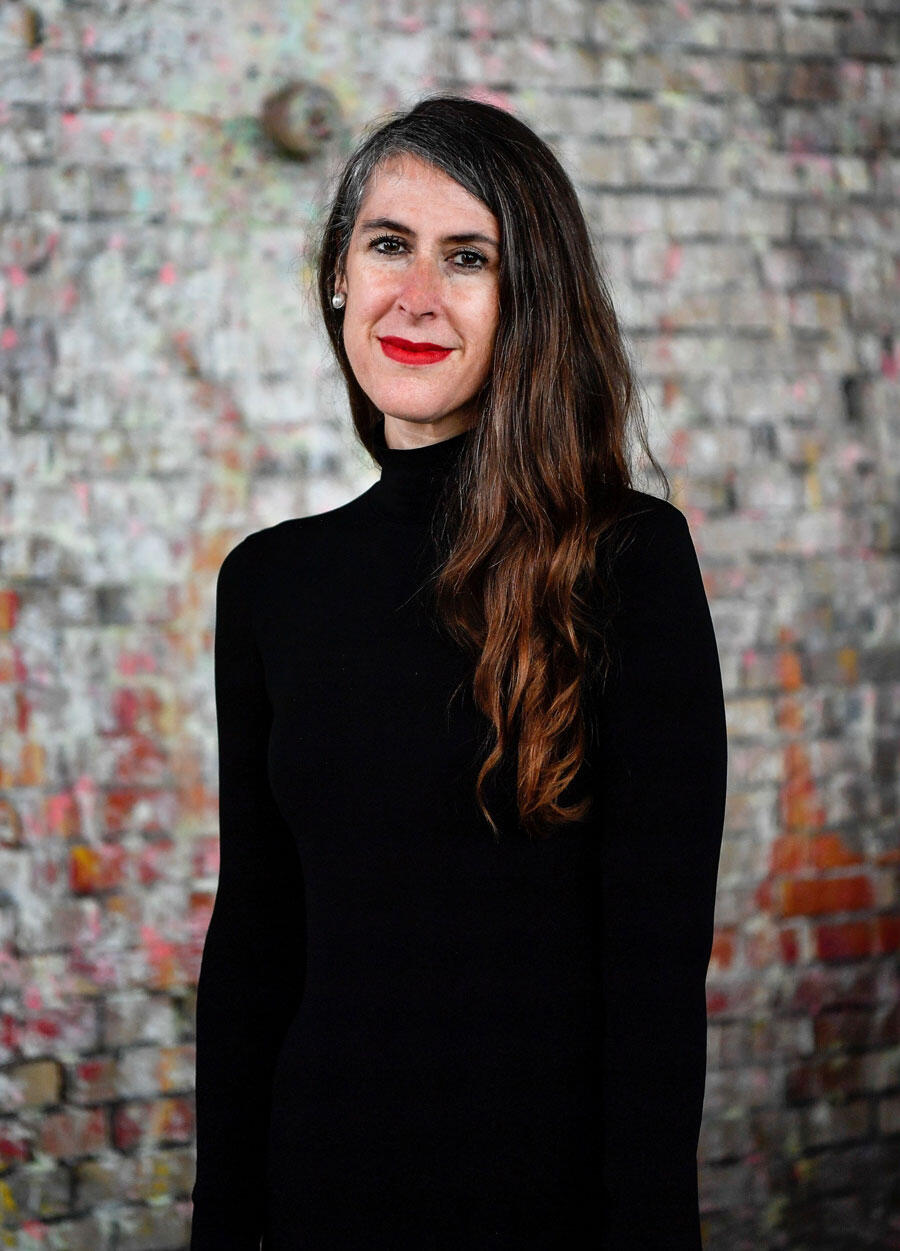
Currently a curator at Hamburger Bahnhof in Berlin, as well as a writer and art historian, Catherine Nichols gained international recognition for her stewardship of Manifesta 14 in Prishtina, Kosovo. Her approach – which she describes as grounded in ‘long-term research, civic dialogue and a sensitivity to the social and urban fabric of the city’ – also caught the attention of the team behind La Biennale de Lyon and led to her selection as guest curator of the French festival’s 18th edition this year.
In Lyon, Nichols will ‘continue to work through situated research and collaborative thinking’, while activating areas of the city left untouched by her predecessors. ‘I have been particularly drawn to the traboules, the hundreds of narrow, clandestine passageways woven through the city’, she says. Built for the concealed circulation of people and goods, they offer a ‘compelling counterpoint to the Parisian passages that Walter Benjamin understood as sites of collective dreaming’, while opening up a unique way to engage with Lyon’s long history of trade and industry.
Viktor Neumann
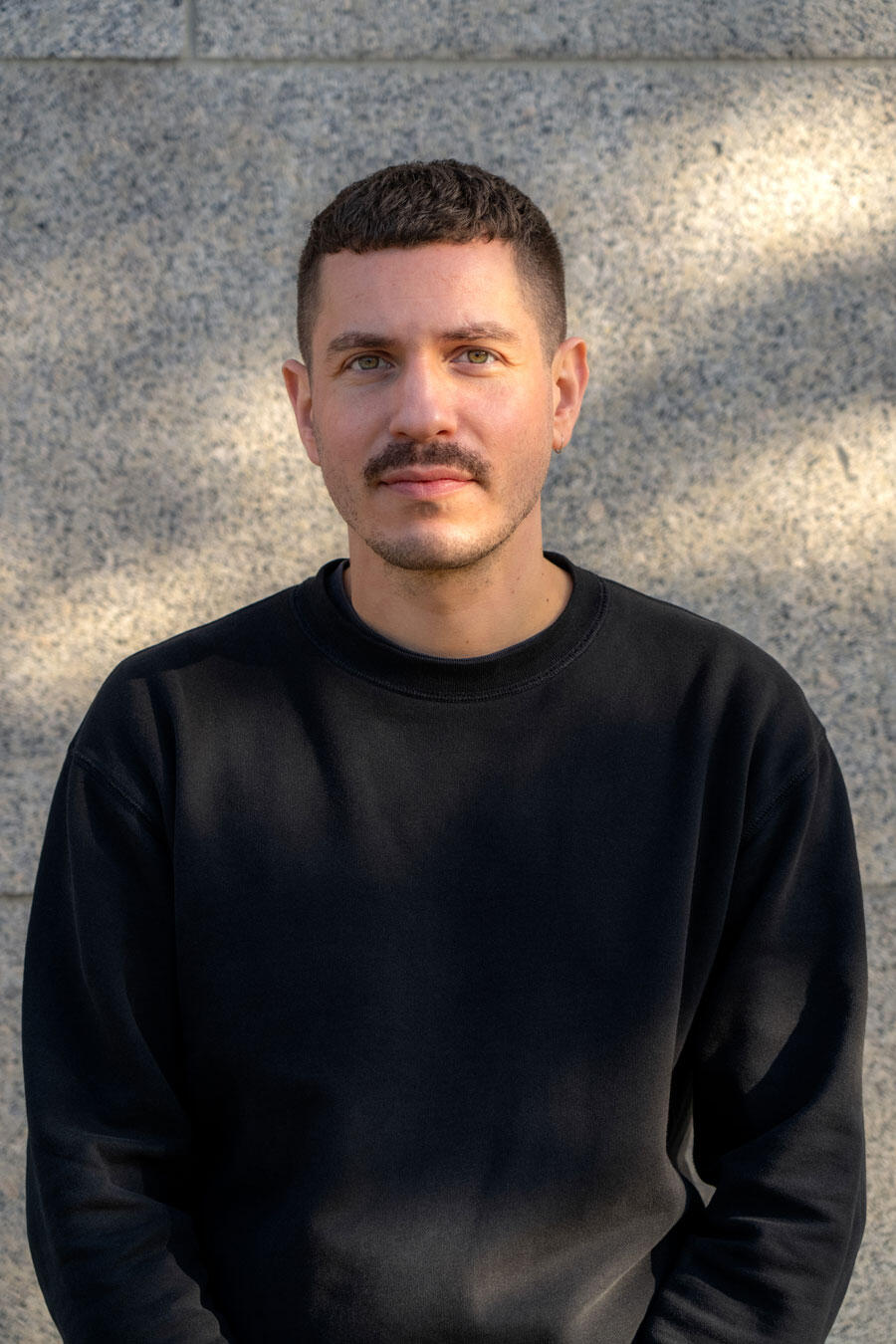
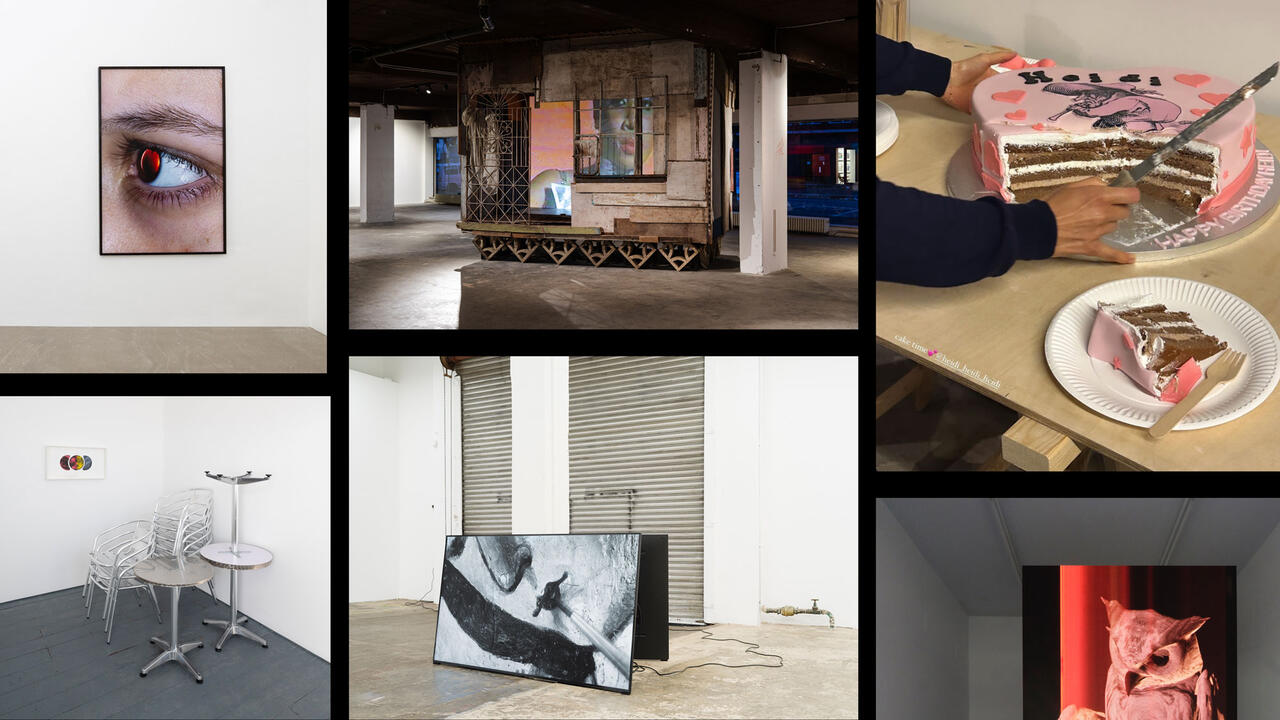
Viktor Neumann has had a busy few years: he co-curated the Romanian Pavilion at the 59th Venice Biennale in 2022 and the 5th Kyiv Biennial in 2024, all while serving as curator of Wolfgang Tillmans’s Berlin-based exhibition space, Between Bridges.
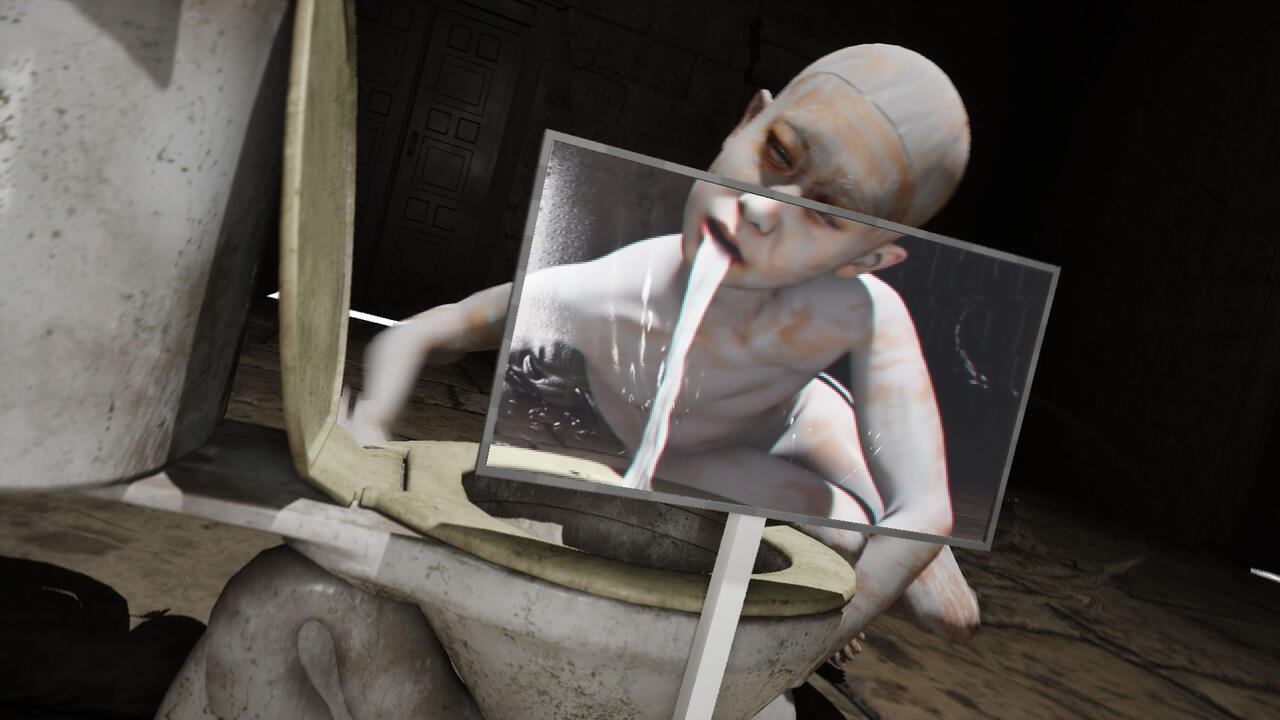
Last year, Neumann assumed the directorship of the Bonner Kunstverein, where what he describes as Between Bridges’ ‘critical stance against hegemonic brutalities and an engagement with solidarity and democracy’ will continue to guide his vision. His inaugural exhibition, which opened last October, is the first institutional show in Germany of the London- and Los Angeles-based interdisciplinary artist and filmmaker P. Staff, whose work often probes power structures, gender, disability and queer identity. The exhibition ‘reveals how technologies of exposure – clinical, militarized, juridical – determine not only what becomes visible but which forms of life become thinkable, recognisable or expendable’, says Neumann. ‘For me, it functions as a prologue to the programme ahead.’
Helen Nisbet
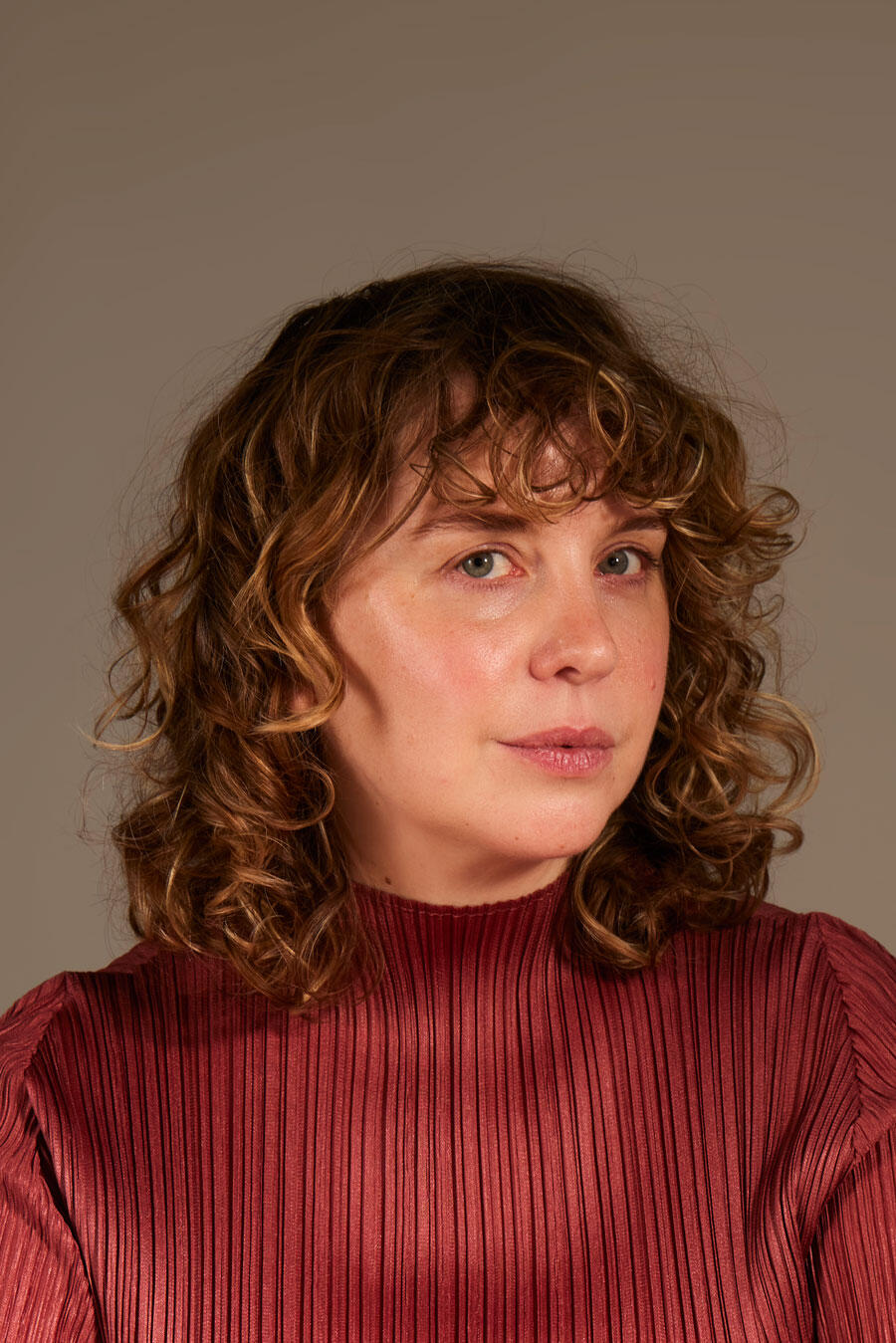
Shetland-born curator Helen Nisbet has been based in London for many years. Now, she’s experiencing ‘a feeling of homecoming’ as she returns to Scotland to direct the 11th edition of Glasgow International. ‘Being closer to home – the light, the culture, the sheep and the fiddles – is a big thing’, she says. ‘It means a tremendous amount.’
Taking place over two weeks in June 2026, the biennial festival will draw on Nisbet’s experience as artistic director of Art Night from 2018 to 2023. A one-night contemporary art festival, Art Night originally took place across different areas of London before becoming national. ‘Working within and outside traditional art spaces, learning from artists and communities and caring about the people who belong to these places [will be] equally vital at Glasgow International’, Nisbet says. ‘My work is rooted in people, considering connections, finding kinship and a political commitment to solidarity. I’m looking forward to learning more deeply about the practices and ideas around me.’
Ho Tzu Nyen
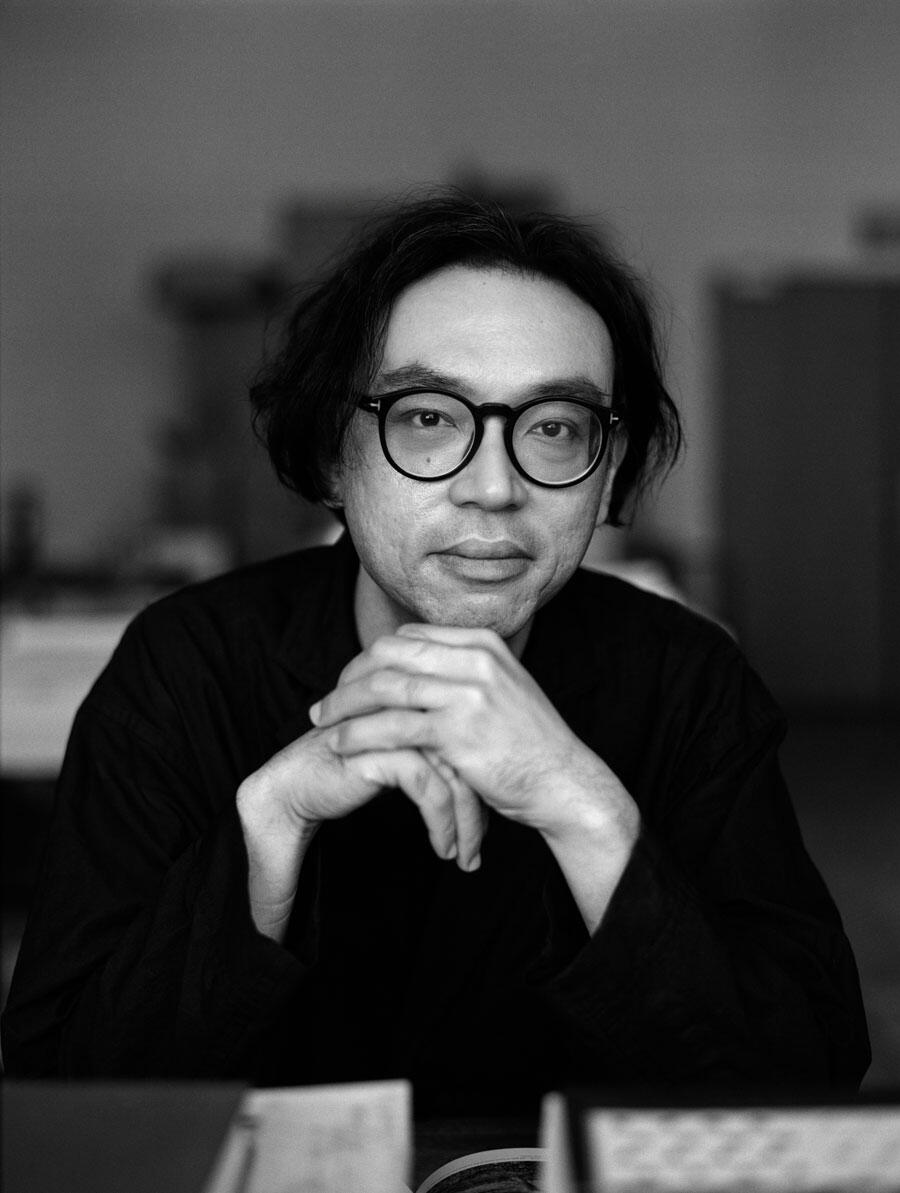
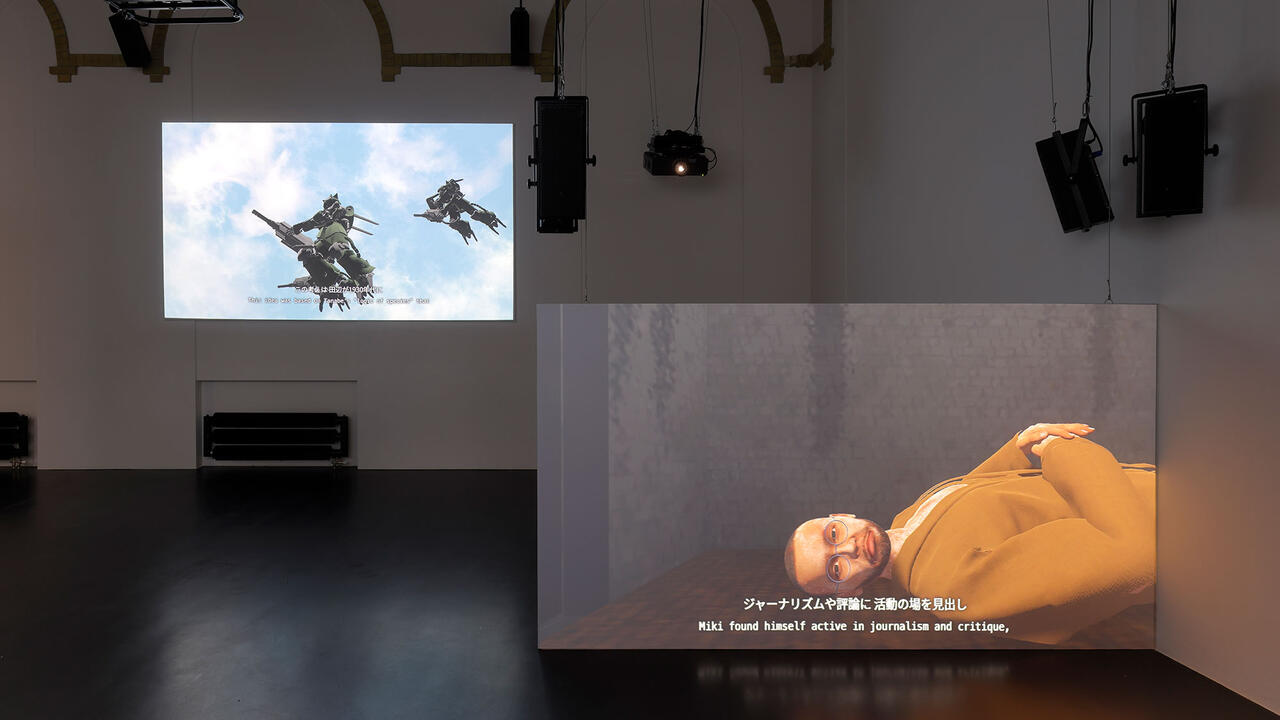
2025 was a big year for Ho Tzu Nyen. The Singaporean artist and curator – whose work centres on video installations probing reality, history and fiction, rooted in the culture of Southeast Asia – opened one group and four solo shows across Europe and Asia. Last April, he was also announced as artistic director of the 16th Gwangju Biennale in South Korea, where he himself has shown work on multiple occasions.
While ‘time’ shaped the new works he created for his mid-career survey, ‘Time and the Tiger’ at Hamburger Kunsthalle, and ‘power’ will inform his upcoming exhibition at Bozar, Brussels, the central theme at Gwangju will be ‘change’. These concepts may seem ‘somewhat general, universal and too vast, but the process of working through them somehow brings me back to many of the propositions and tools that came out of my projects related to Southeast and East Asia’, says Ho. ‘For now, I’m not exactly sure what this means. Part of the reason for persisting is the possibility of finding out!’
Vivian Crockett and Isabella Rjeille
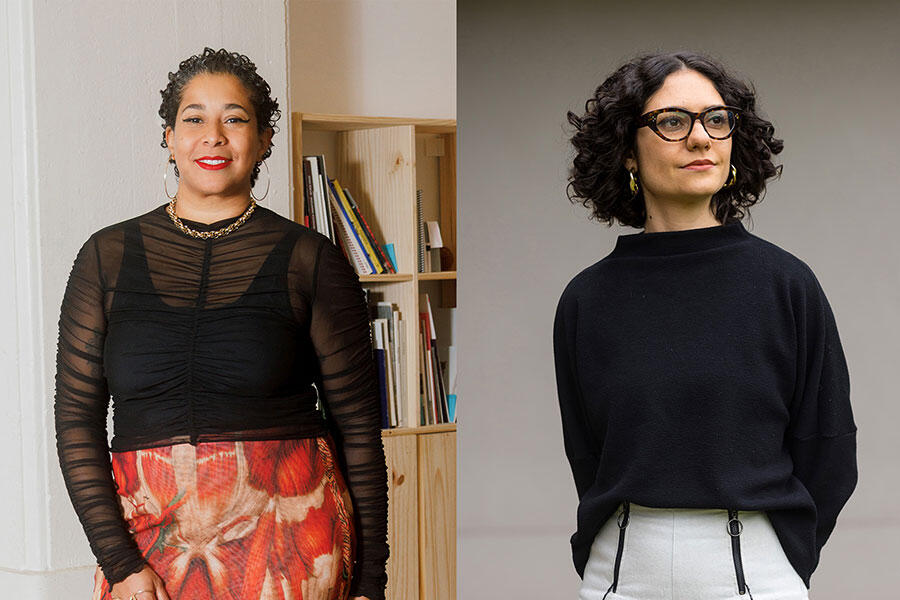
This year, Isabella Rjeille, curator at Museu de Arte de São Paulo Assis Chateaubriand, will be the first international curator to direct the New Museum Triennial in New York. When presented with this fact, she immediately highlights that her co-curator, Vivian Crockett, wasn’t born in the US either. ‘Given my name, most people assume that I’m not Brazilian’, adds Crockett, the New Museum’s Allen and Lola Goldring Curator. ‘That illegibility can be frustrating, but also productive. Many of the artists we gravitate towards are questioning those very logics that stifle our complexity in the name of recognition.’
Under the two curators’ direction, the triennial will ‘focus less on which artists are currently “emerging” or “hot” in the art market’, Rjeille says, and more on the shared themes and concerns arising from this generation of creatives. ‘I’ve been joking that we’ve been building our dream coven!’ Guiding their approach, Rjeille observes, are key questions, such as, ‘What shared experiences unite artists from vastly different geographies in their approaches to the body, memory and history?’ and ‘What might we learn when our preconceived notions of North and South begin to shift?’