


Ten Artists to Watch in 2026
Highlighting the artists with major shows this year who are set to make their mark on the art world
Highlighting the artists with major shows this year who are set to make their mark on the art world
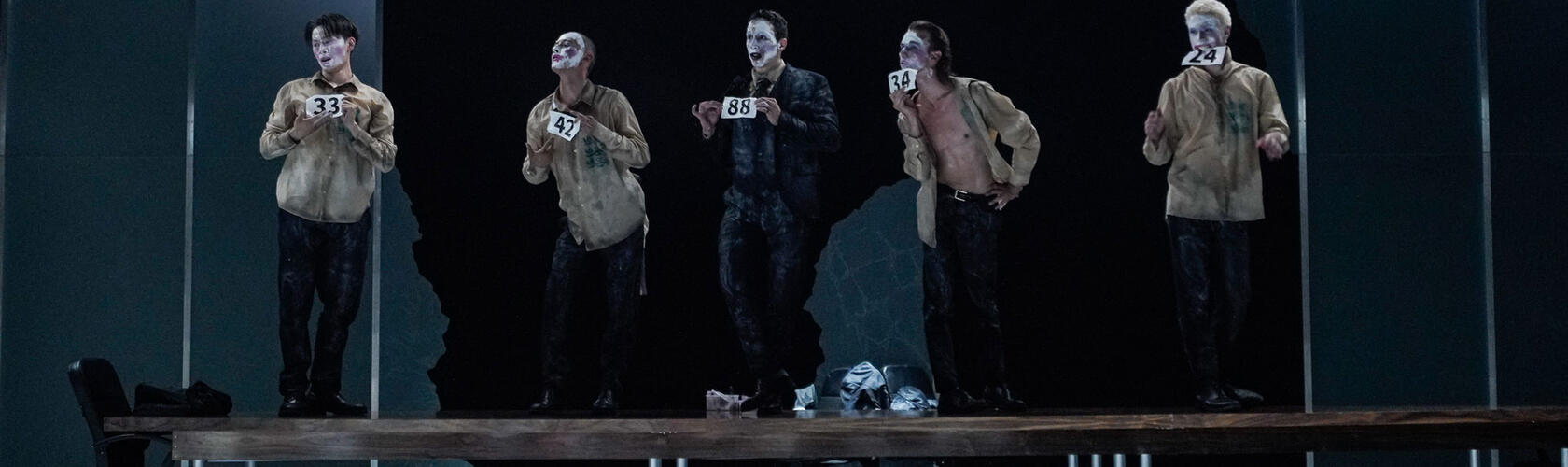
1. BULLYACHE
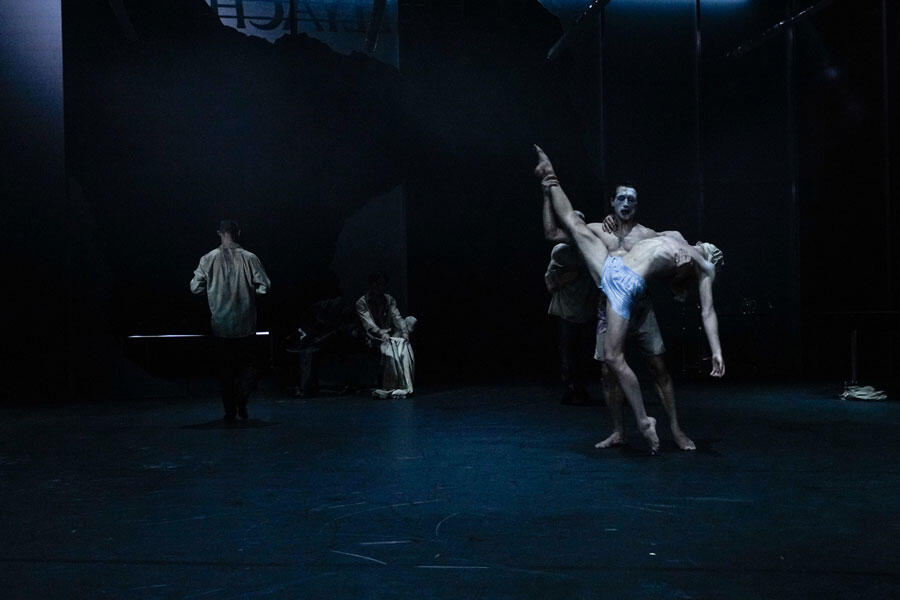
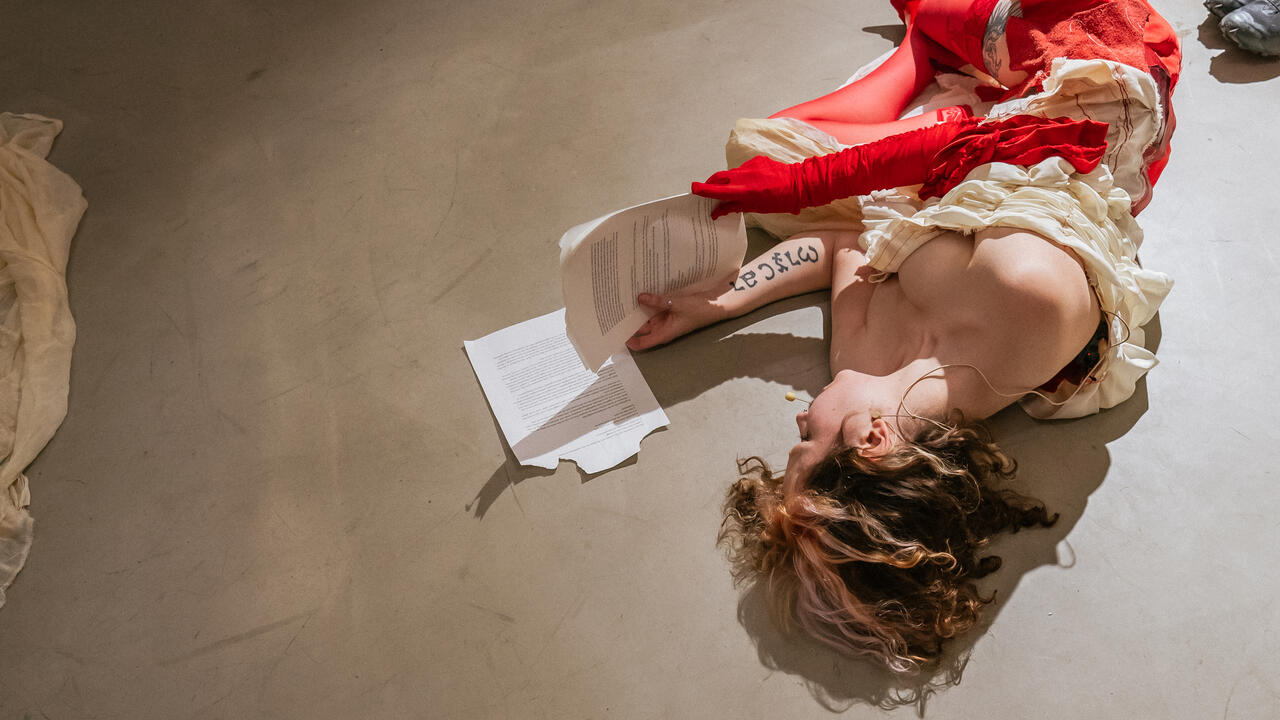
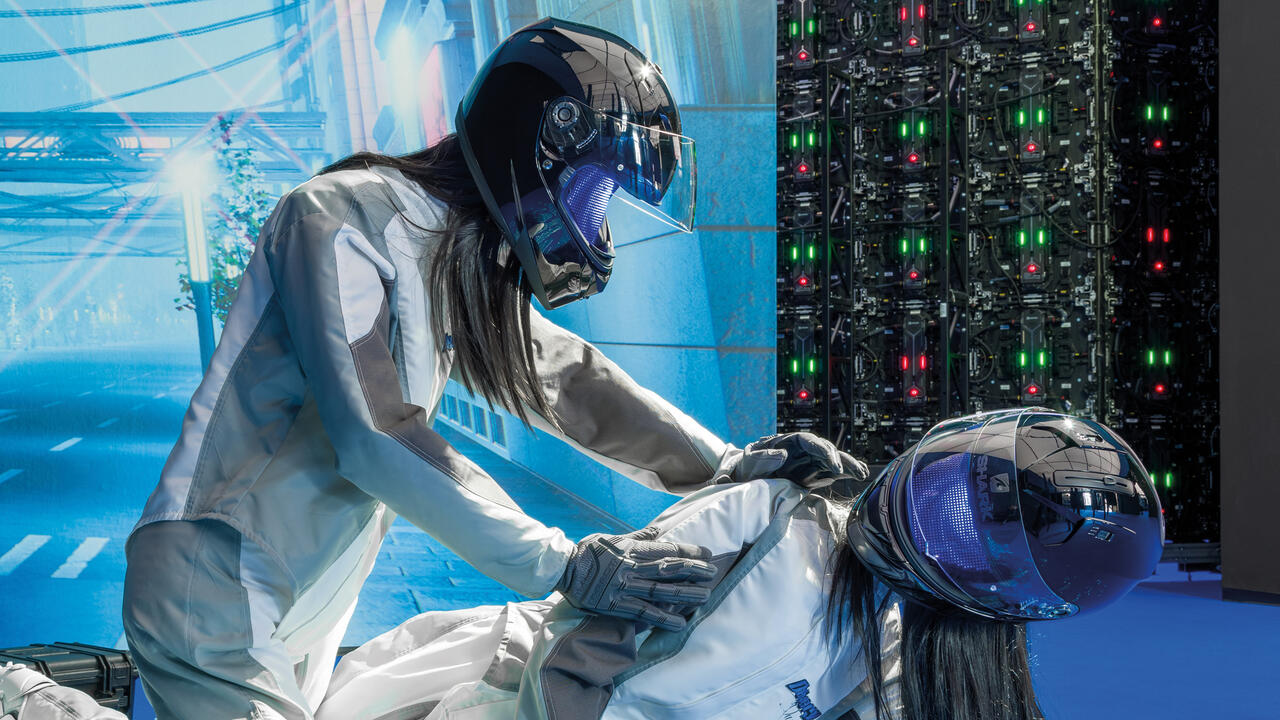
During his 1882 lecture tour of the United States, Irish dramatist Oscar Wilde reportedly visited San Francisco’s secretive, male-only Bohemian Club, remarking: ‘I never saw so many well-dressed, well-fed, business-looking Bohemians in my life.’ It was partially in response to the club’s ‘Cremation of Care’ ceremony – staged before a 12-metre-tall owl shrine in private grounds at Bohemian Grove – that BULLYACHE choreographed A Good Man is Hard to Find (2025). Opening at Sadler’s Wells in May 2026, after premiering at the 2025 Venice Dance Biennale, the performance embraces a pleasing chaos: dancers frolic in heavily stained business suits to a soundtrack pairing Dmitri Shostakovich’s Chamber Symphony in C minor (Op. 110a) with contemporary techno. If Wilde found the Bohemian Club too prim and proper, BULLYACHE’s performance scuffs that image, questioning the power and privilege of a group that once counted George H.W. Bush and Henry Kissinger among its members.
2. Nat Faulkner
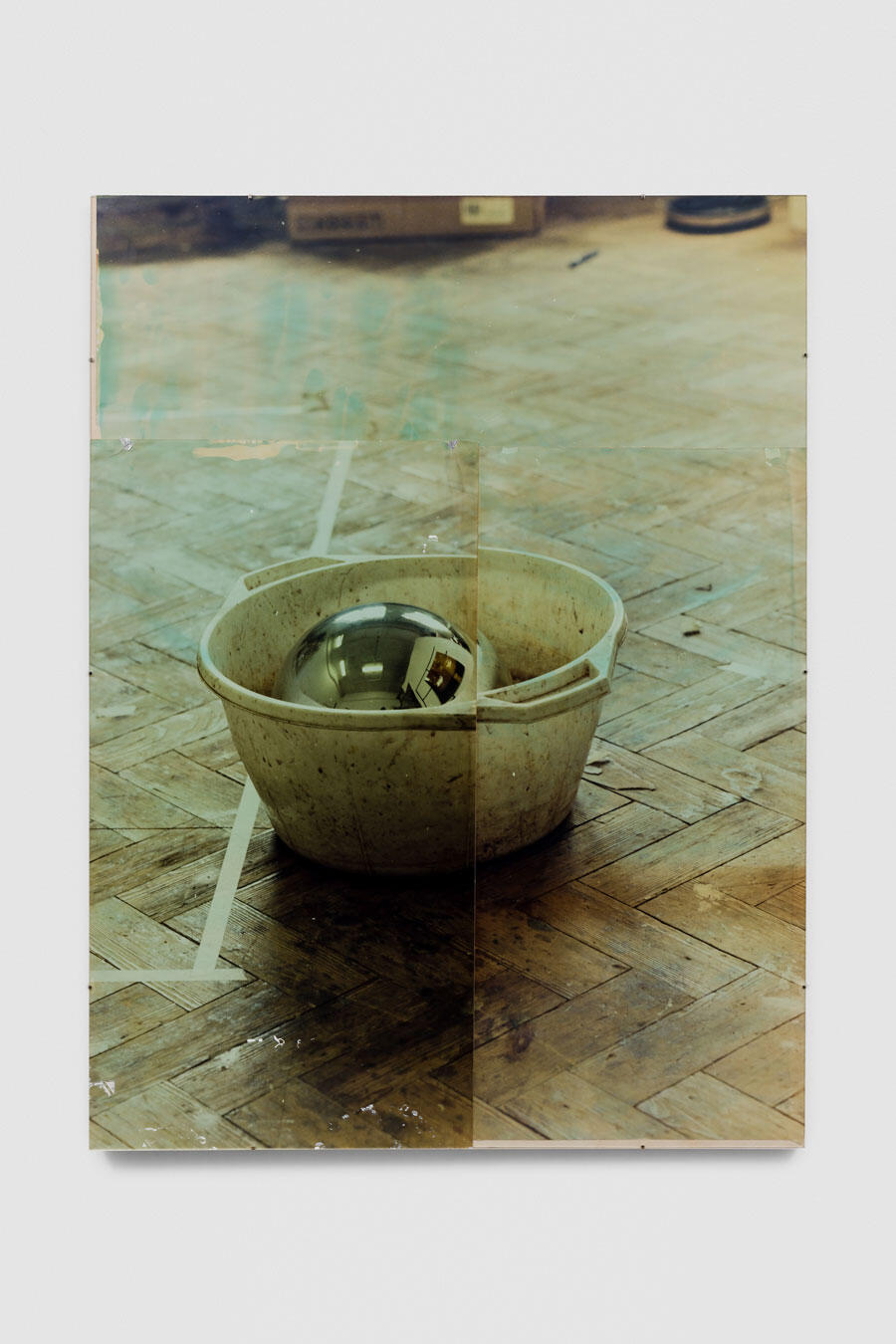
It was hard to miss the enigmatic work of Nat Faulkner during Frieze London 2024: one of the artist’s photographs was printed on t-shirts worn by staff during the fair, while his presentation with Brunette Coleman won the Camden Art Centre Emerging Artist Award. Not every photographer develops their own images, but Faulkner is a true technician, processing his works by hand in his studio-cum-darkroom. The results often evince a strange doubleness: although there are recognizable objects in Faulkner’s prints, everything is blown up, zoomed in and distorted, the familiar tweaked to the point of abstraction. Opening in January 2026, Faulkner’s solo exhibition, ‘Strong Water’, at the Camden Art Centre, promises to be his most ambitious yet. According to the press release, it will include, ‘a series of metallic frottage reliefs of fragments of his studio walls, which are then electroplated with discarded silver’ – evidence of Faulkner expanding his formal play with how images can be captured.
3. Stephanie Comilang

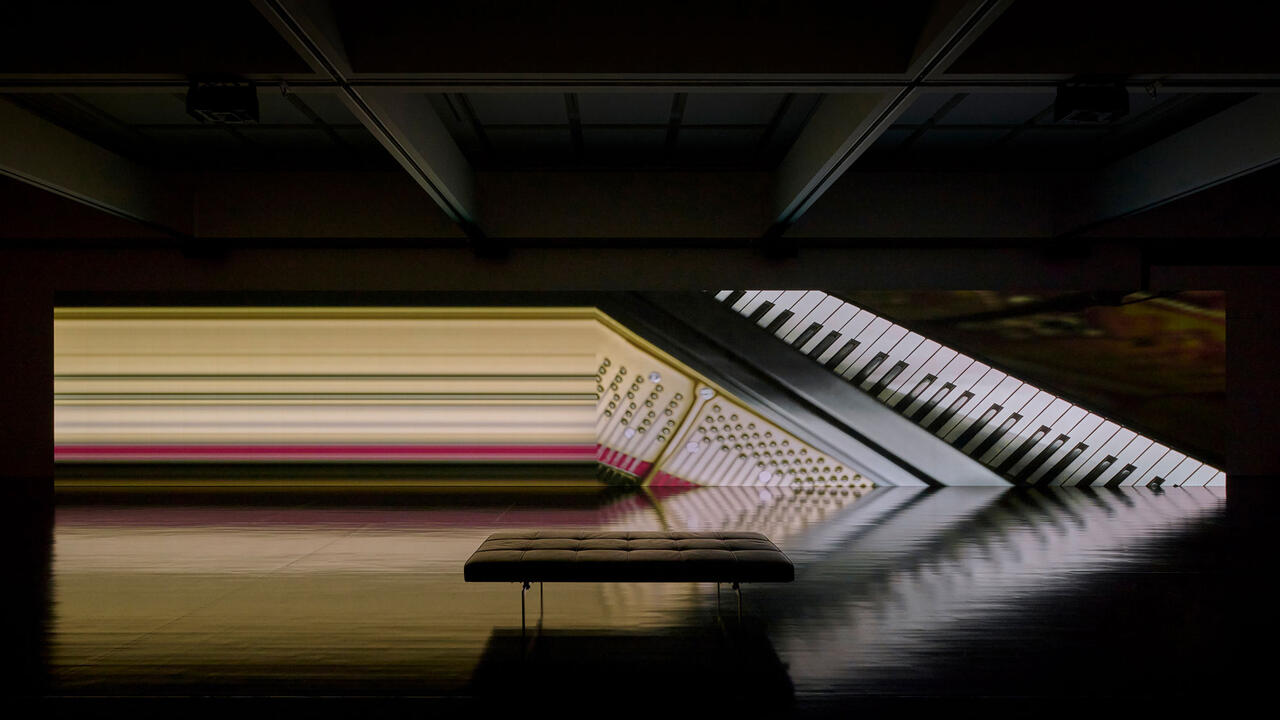
Stephanie Comilang’s video installation Search for Life (2025) is projected onto screens made from hundreds of fake pearls, with light slipping through the gaps to illuminate the gallery space. There’s an obvious beauty to this staging, and to Comilang’s work more broadly, which can seem at odds with the political contexts the artist concerns herself with – migration, labour and state power. As frieze associate editor Chloe Stead wrote after seeing the artist’s work at the 2025 Sharjah Biennial: ‘Comilang has a knack for distilling the complex histories and present-day realities of global trade and migration into works that – amidst a broader trend for didactic essay films – are surprisingly entertaining in their freewheeling approach to genre.’ In 2026, Comilang will participate in several significant group exhibitions, including those at Ateneo Art Gallery, Manila and the Tanoto Art Foundation, Singapore.
4. Tiffany Sia

Not far from the coast of China, Taiwan’s Kinmen islands are scattered with military bunkers, which are open to the public as tourist attractions – reminders that this stretch of shoreline was the last place where China and Taiwan engaged in significant military combat. For her solo exhibition ‘Overt Listening’ at Kunsthalle Wien, opening in November 2026, Tiffany Sia will explore the landscape of the Kinmen islands and their complicated past – splicing together footage of the island’s abandoned bunkers and deserted beaches with field recordings of military exercises and radio broadcasts. Writing for frieze about Sia’s 2024 Maxwell Graham exhibition, Madeleine Seidel observed the artist’s ability to fuse ‘personal narrative and rigorous media theory to form a cohesive, cross-media study of filmmaking’s political power across mainland China, Hong Kong and Taiwan’. Sia’s work on the Kinmen islands promises a continuation of this politically engaged approach to filmmaking, examining the aftermath of the Cold War.
5. Rosana Paulino

58 × 38 cm. Courtesy: the artist and Mendes Wood DM, São Paulo, Brussels, Paris, New York; photograph: EstudioEmObra
Exploring the racism experienced by Black women in Brazil, Rosana Paulino’s practice – most recently typified by acrylic and watercolour paintings of women in nature – combines formal excellence with a strong political bent. Here, nature is not some passive thing: in Peixe, Da série mangue (Fish, from the series Mangrove, 2023), a female figure seems to be spawning roots into the earth, whilst in Senhora das plantas, Espada de Iansã (Lady of the Plants, Sword of Iansã, 2022), a woman’s mouth is stuffed with red flowers whilst roots trickle from her nipples. These figures are both consumed by nature and part of it: powerful, essential art for our times. Paulino won the 2025–27 Jane Lombard Prize for Art and Social Justice, awarded by the Vera List Center for Art and Politics, and will represent Brazil at the Venice Biennale this year in a joint presentation with Adriana Varejão.
6. Birke Gorm
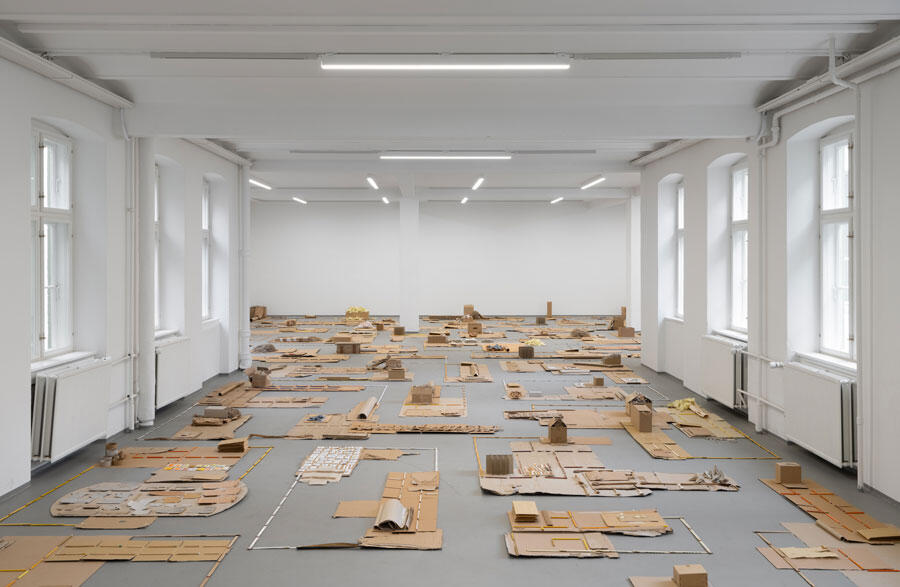
After harvest, leftovers often remain amid the detritus: a misshapen potato, an overlooked cob of corn, ready to be claimed by underpaid farm workers who scour the fields at day’s end in hope of a small treasure. As Krzysztof Kościuczuk wrote in a 2023 review for frieze, this practice of ‘gleaning’ is a fitting metaphor for the work of Birke Gorm, whose assemblages incorporate materials scavenged from her urban surroundings. While there is a clear political dimension to this work, Gorm’s art is as playful as it is didactic. In her recent exhibition, ‘let me stop you right there’, at Copenhagen’s O—Overgaden, she presented a room full of salvaged cardboard packaging, arranged across the gallery floor like a child’s miniature city. Like a gleaner picking through a field of supposed waste, Gorm finds the value in what others discard, a sensibility she will bring to her representation of Austria in the 2026 Gwangju Biennale.
7. Okiki Akinfe
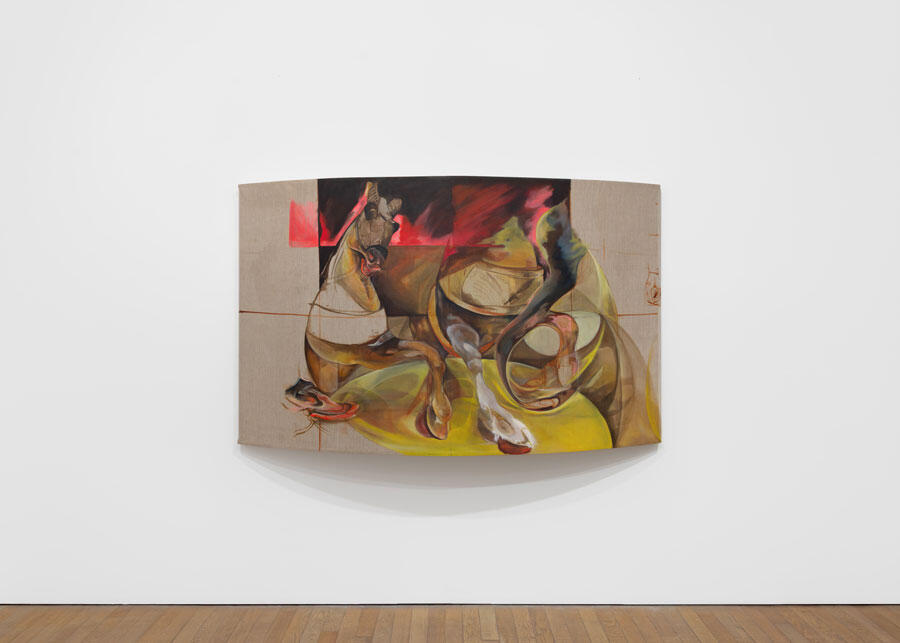
A sense of uncanny identification pervades Okiki Akinfe’s work. Take, for example, the horse in Only Fools and Horses (2025), galloping away from a red-hued backdrop. I’m convinced that it’s the horse from Pablo Picasso’s Guernica (1937), though when viewed alongside the original, it’s hard to say what exactly marks them as similar – a flared nostril? A bent leg? I get the same feeling from one of the pencil sketches included in the artist’s Ginny on Frederick exhibition last year, which depicts a cartoon figure reminiscent of the Looney Tunes character Wile E. Coyote – but the draughtsmanship is so expressive and provisional, it’s hard to be sure whether it’s really him. With an exhibition at London’s Peer Gallery this year, I’m looking forward to seeing more of Akinfe’s mind-bending formalism and trying to spot some of the parallels – intentional or otherwise – that the artist draws to other media.
8. Ahmed Alaqra
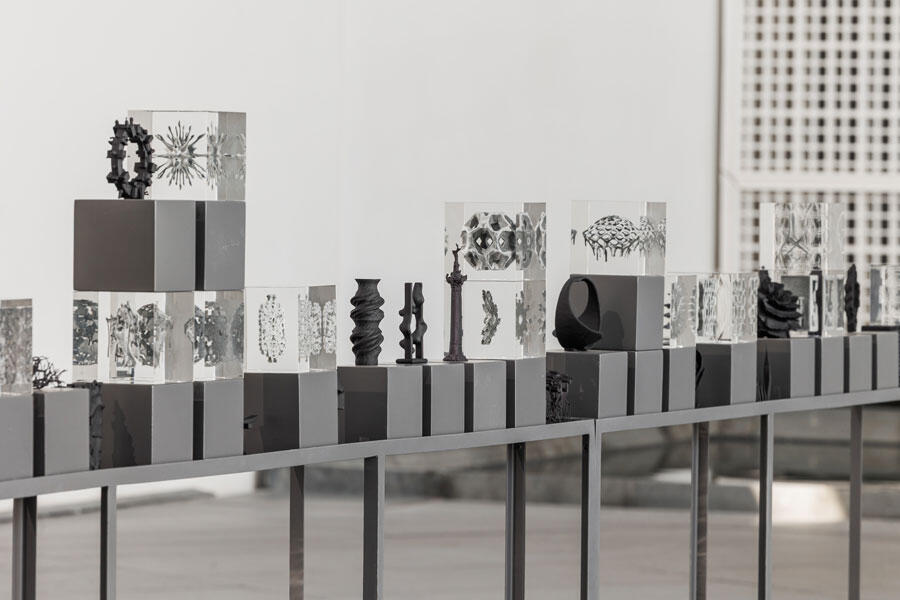
Since the beginning of the war in Gaza, Ahmad Alaqra has curated a number of significant exhibitions presenting the work of Palestinian artists to those outside of the country – including ‘I Will Write Our Will Above the Clouds’, a touring exhibition featuring pieces by 18 Gazan artists, which stopped in London, Berlin and Paris last year. Alongside his substantial and necessary curatorial work, Alaqra is an artist and co-founder of El Gorfeh, the first community darkroom in Palestine. His ongoing series, ‘How to Fabricate a Memory’, sees the artist cut up and splice together photographs of Palestinian landscapes, both archival and new, in an attempt to chart how the country has been fragmented and violated throughout its history. This year, Alaqra will show work as part of the ‘Dreaming Suburbs’ exhibition at Konsthall C and will curate a programme for Dar Jacir in Bethlehem.
9. Som Supaparinya
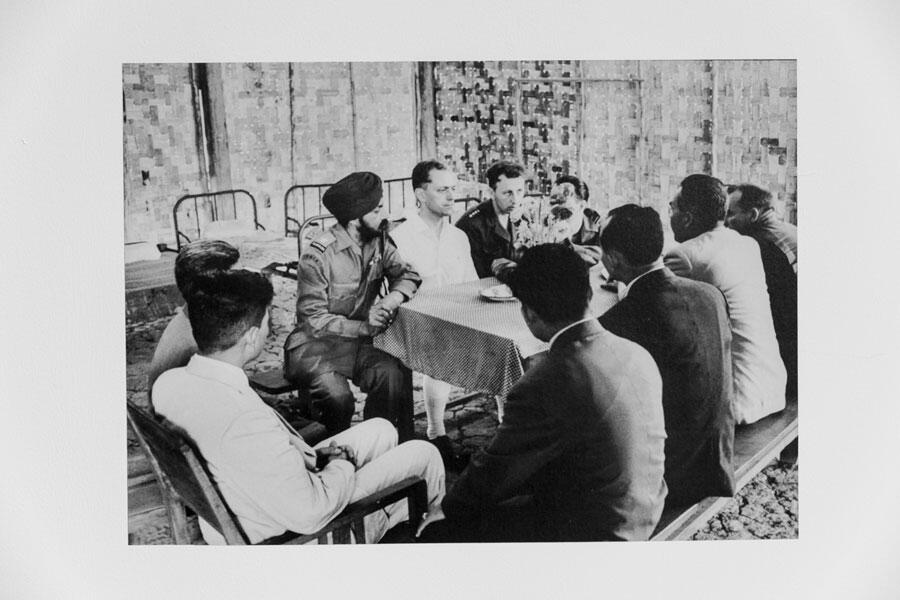
As part of a group exhibition at the Bangkok Art and Culture Centre in 2025, Som Supaparinya presented two 1961 photographs from the American magazine LIFE, both showing groups of men gathered around a table: one from a Southeast Asian Treaty Organisation meeting in Bangkok, the other from the International Control Commission’s Laos Peace Talks (‘Two Corners of a Wall’, 2025). These photographs were just one aspect of an installation investigating the often tense relationship between Thailand and Laos during the Cold War. The artist’s documentary style allowed visitors to draw their own conclusions about the region’s shifting geopolitics over the last 60 years. Exhibitions at Kunsthal Charlottenborg and Museon this year will introduce Supaparinya’s politically engaged practice to new European audiences.
10. Li Yi-Fan
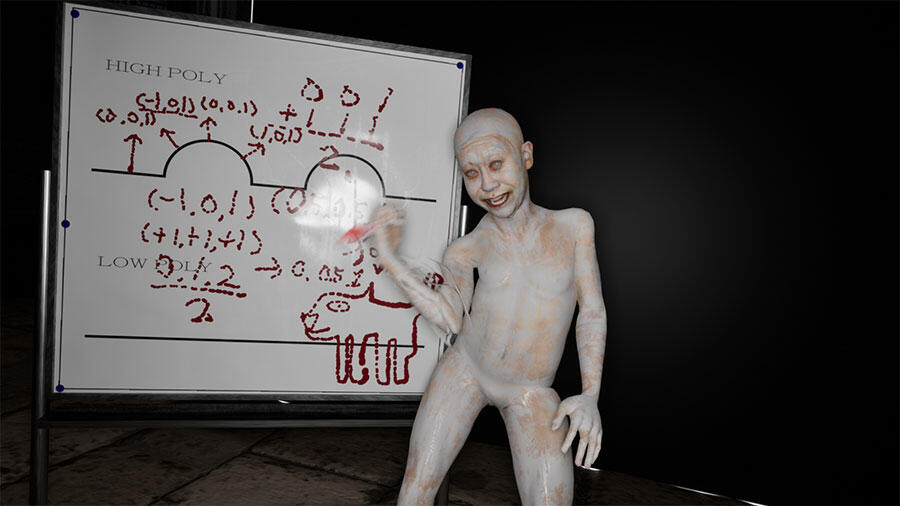
Around the same time as Li Yi-Fan exhibited his unnerving video and sculptural installation Boring Gray (2021–25) at IAC Villeurbanne last summer, I saw an Instagram post suggesting that, to reduce screen time, users change their phone settings so that everything appears in ‘boring’ grayscale. Yi-Fan’s installation, which projected a pulsating collage of chopped-up images onto several cardboard cut-out shapes, does the opposite: a hectic mass of colour, it is the kind of visual overload in which the internet specialises. Expanding this uncanny aesthetic, the artist will present a video work alongside large-scale sculptures of human body parts at the Venice Biennale this year, where he is set to represent Taiwan. According to the pavilion’s press release, the ‘constantly shifting scenes and the rapid speech of the characters in Yi-Fan’s new video will ‘reflect the anxiety and weightlessness present in the current era’s torrent of information.’
Main image: BULLYACHE, A Good Man is Hard to Find (detail), 2025, performance documentation, 2025 Venice Dance Biennale. Courtesy: BULLYACHE