



The Year in Review: The Death Drive of Art in 2025
In a year of perpetual political and technological chaos, the best art reminded us to learn from history – the worst only recycled it
In a year of perpetual political and technological chaos, the best art reminded us to learn from history – the worst only recycled it
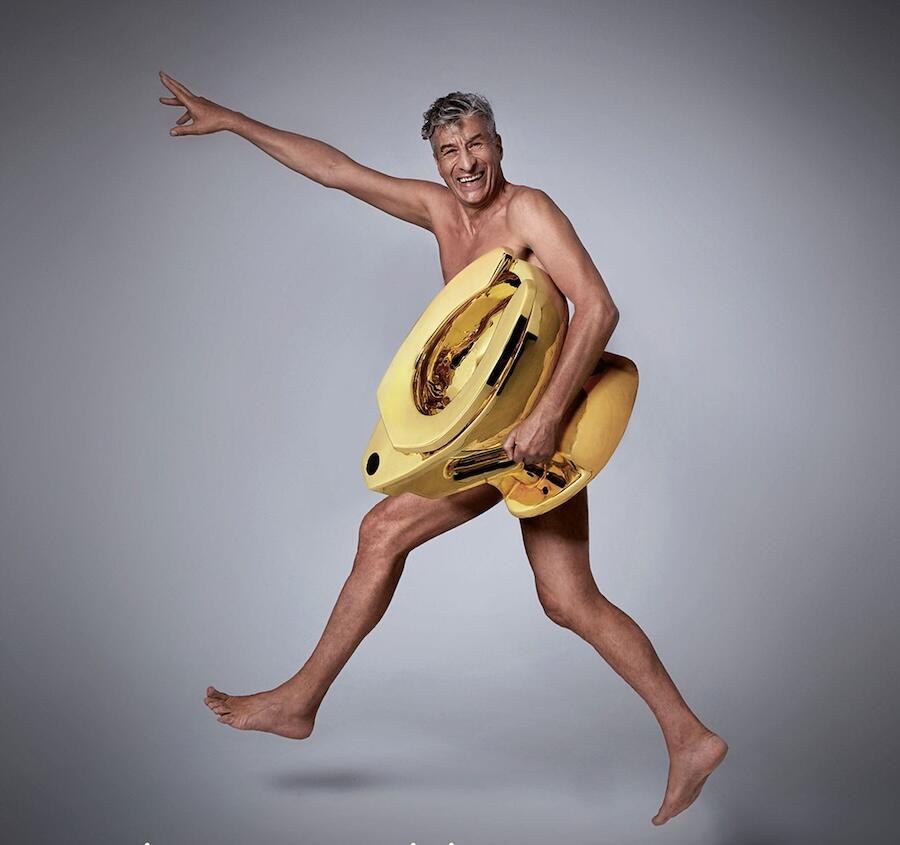
In Stanley Kubrick’s 2001: A Space Odyssey (1986), an ominous black monolith reappears throughout the movie to mark milestones in human progress. Maurizio Cattelan’s America (2016), a fully operational toilet wrought in 18-karat solid gold, essentially serves the same function but in reverse: it always seems to appear at the lowest points of cultural decay. Having made its debut in the Guggenheim Museum’s lavatories in 2016, the year Donald Trump won the US presidential election, America vanished from sight after its theft from Blenheim Palace in 2019. Amid the havoc of Trump’s second term, a second edition of the artwork surfaced at a Sotheby’s auction in November, selling for just over its weight in gold. Now, in the face of a crushing crisis of affordability, a $12million golden toilet is a perfect symbol of a gilded, dysfunctional society, or perhaps more simply, a really shitty year.
Whether or not you believe in omens, America’s return coincides with a looming sense of social regression, where economic turmoil and rising authoritarianism put artistic expression at risk. The Trump administration’s hostile takeover of American cultural production this year included the defunding of the National Endowment of the Arts, alongside an executive order to ‘eliminate improper, divisive or anti-American ideology’ in museums. The president did not directly cancel Amy Sherald’s show (‘American Sublime’, 2025) over her painting of the Statue of Liberty as a trangender Black woman (Trans Forming Liberty, 2024), but he did count the artist’s withdrawal from the National Portrait Gallery as a win. Furthermore, to represent the US pavilion at the next Venice Biennale, the Trump-backed American Arts Conservancy then chose Alma Allen, a white man working in the plausibly apolitical realm of abstract sculpture. On a less political note, the assault on cultural institutions continued on the eve of Art Basel Paris, when thieves hacked the the Louvre’s surveillance system (password: Louvre) and made off with the actual crown jewels. The museum declined director Laurence des Cars’s resignation – not so fast! – and before they were caught, the thieves were immortalized as this year’s hottest topical Halloween costume.
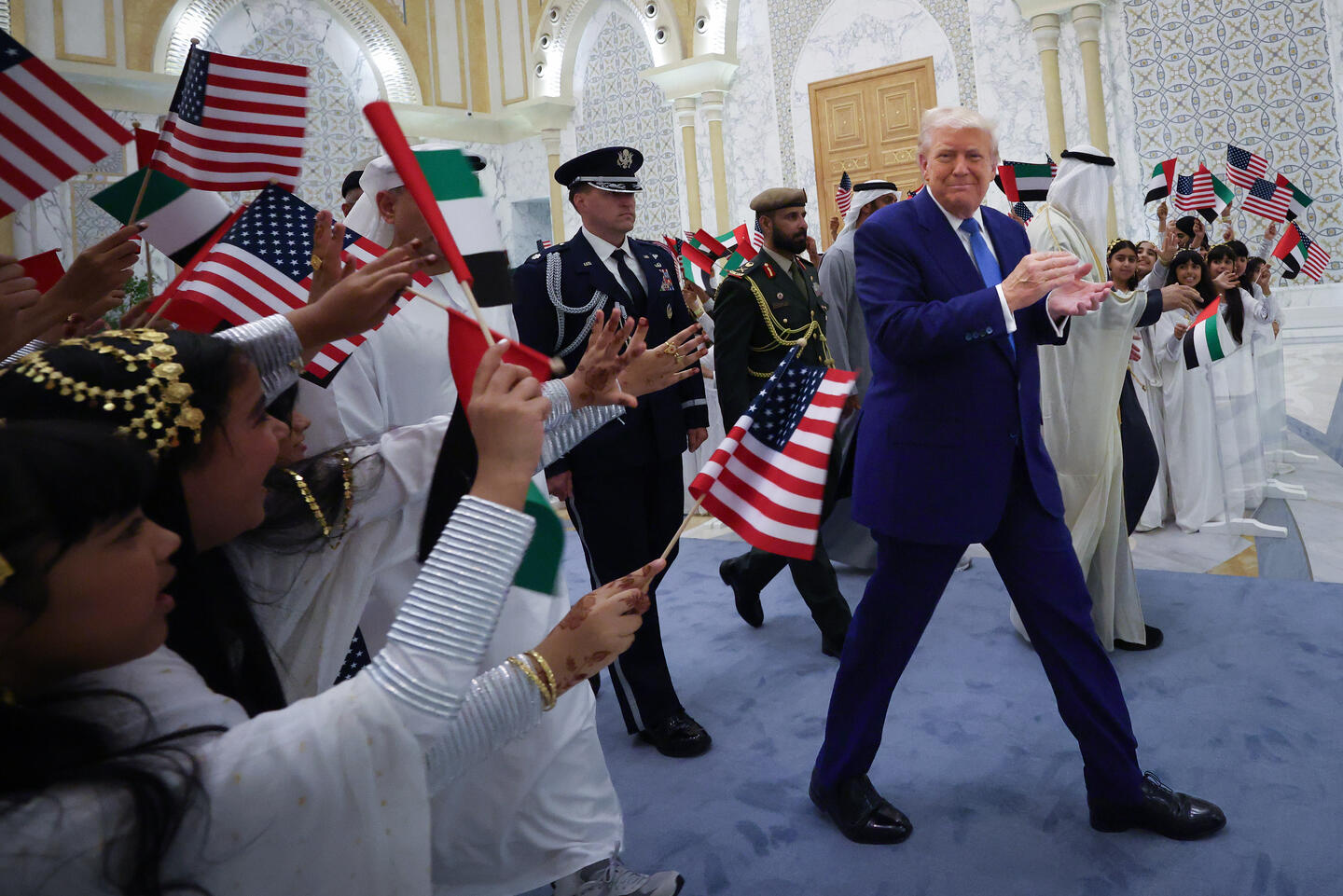
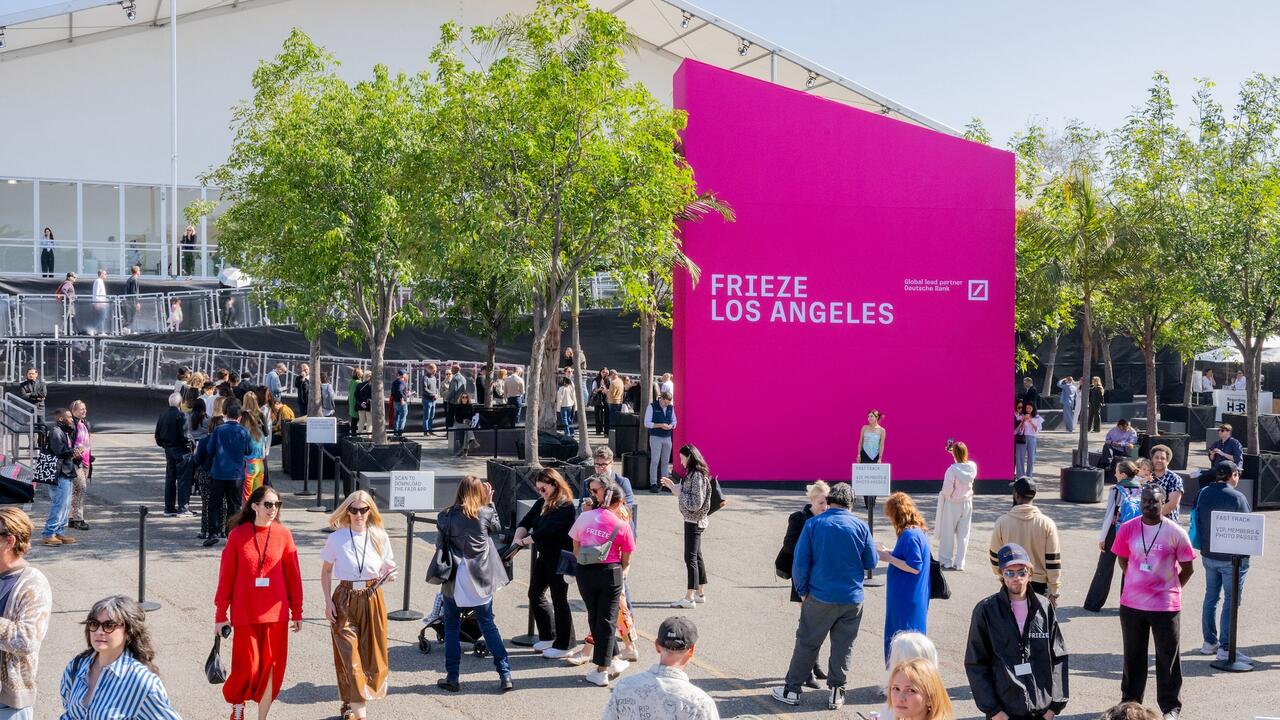
The uncertainties surrounding the declining global economy in 2025 took their toll on the commercial art world, where canvases at art fairs grew smaller to keep pace with the contracting market and high-profile galleries, including BLUM, Clearing and Sperone Westwater, permanently shut their doors. In May, western CEOs seeking new investors followed Trump on his field trip to the Gulf States, where they secured billions of dollars in funding for initiatives ranging from AI to healthcare. Art fairs then followed suit, announcing they would be expanding into the region too: inaugural editions of Art Basel Qatar and Frieze Abu Dhabi are now scheduled for 2026.
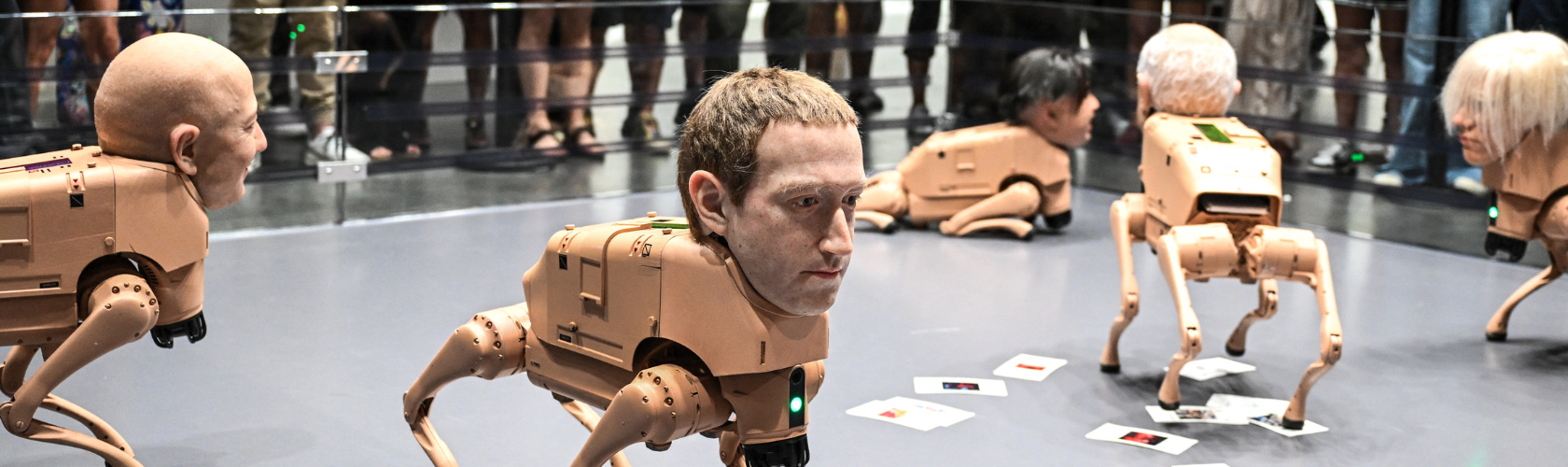
Looking back at A Space Odyssey’s visionary aesthetics and Kubrick’s contemplation of our place in the universe, you see the profound impact that the Cold War’s rapidly developing technologies had on the cultural imagination. By contrast, today’s global arms race to perfect artificial intelligence has been decidedly less fruitful. So far, it’s given us works like Beeple’s Regular Animals (2025), a petting zoo of robodogs with terrifyingly realistic models of Mark Zuckerberg and Elon Musk’s faces. To be clear, this is not good art but given its commentary on the creeping invasion by tech oligarchs into our lives, I regret to say that it was the sole work at Art Basel Miami Beach that felt truly of its time. Since the ultra-contemporary bubble burst, the market’s focus has shifted toward the artists of the past, with collectors less motivated to invest in the artists of today.
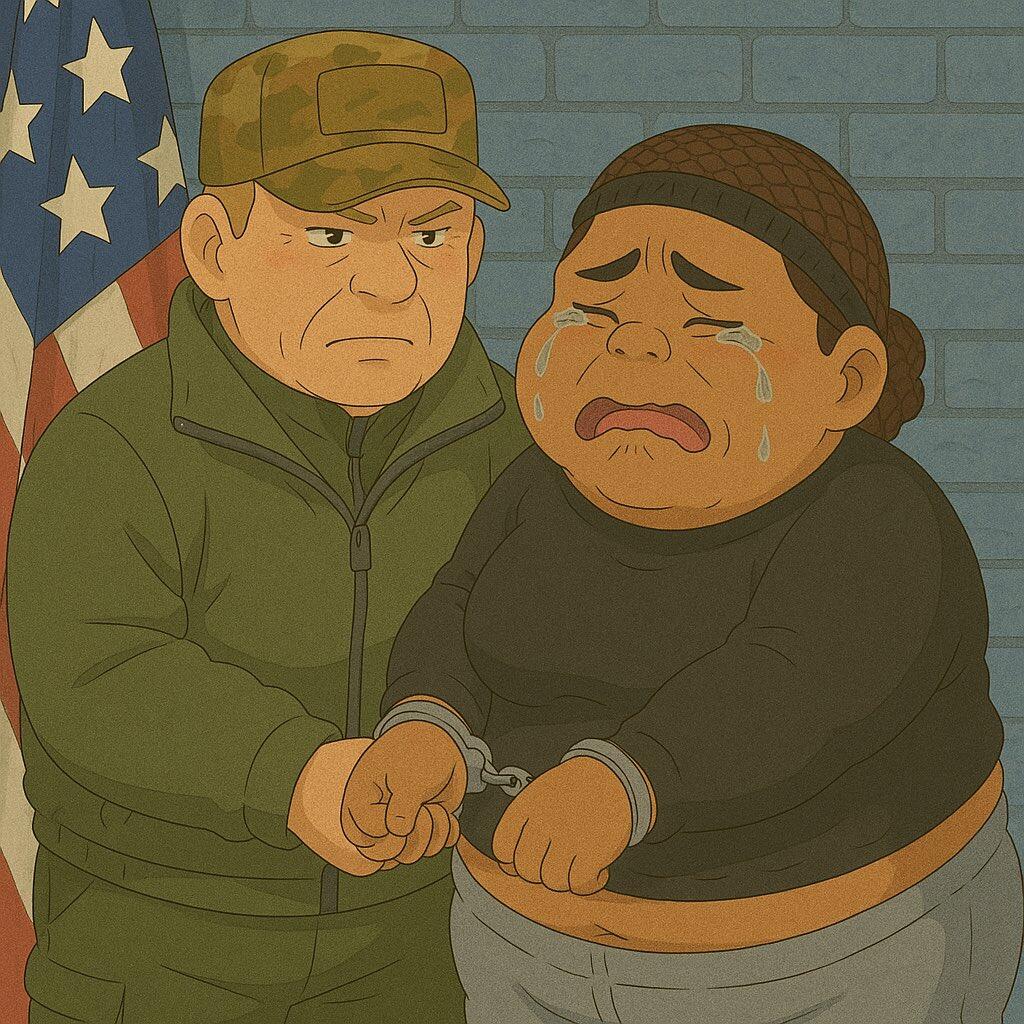
Short of embracing the ‘Make America Great Again’ message, I can relate to a desire to turn back the clock. Exhausted by the day-to-day instability of 2025, we seem to have collectively forgotten to imagine the future. The trend forecasters at Pantone named a shade of white as the 2026 colour of the year, as if to say, ‘Sorry guys, we’re drawing a blank’. Rather than inspiring creative momentum, AI seems predisposed toward regurgitating existing intellectual property. The hottest viral trend of 2025 was Studio Ghiblifying yourself – uploading images to ChatGPT so they could be instantly translated into a style that Japanese animator Hayao Miyazaki spent thousands of hours meticulously drawing by hand. It was a perfect example of AI’s devaluation of the artistic process, flattening art into something automatic and therefore disposable. For two whole weeks, it was everywhere on the Internet, until one day it wasn’t.
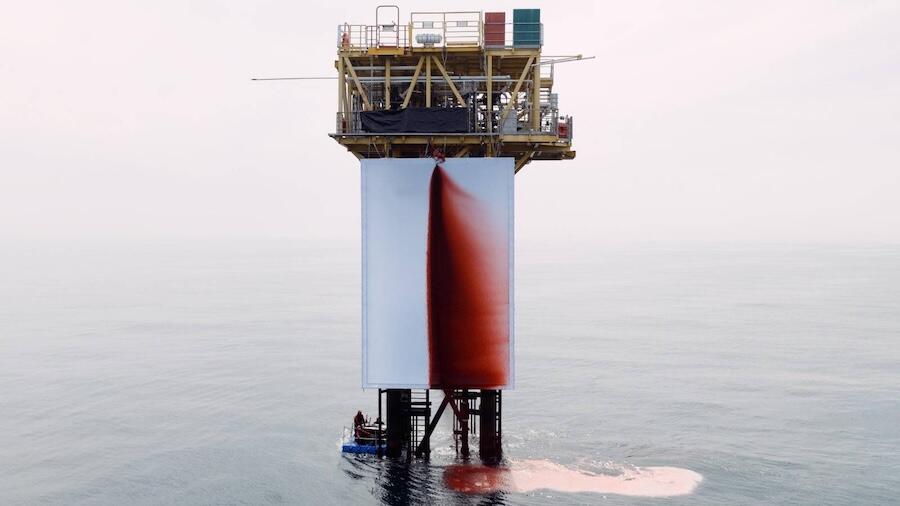
In better news, Van Gogh’s Sunflowers (1888) were spared. In March, as the UK vowed to cease issuing new licenses for oil and gas exploration, the environmental activists of Just Stop Oil lay down their years-long campaign of hurling soup at famous paintings. From there, Anish Kapoor took up the mantle of climate protest in August with Butchered (2025), a performance piece executed by Greenpeace activists in the North Sea. Unfurling an enormous white canvas from atop an offshore gas rig, they released 1,000 litres of biodegradable blood-red liquid that left a 96 metre-long crimson stain, the visual equivalent of a scream. Will it stop offshore drilling? No. Art’s impact is rarely so direct. It’s less adept at solving problems than translating them into a form that activates our emotions, rather than our intellect.
Writing in Art in America, Louis Bury declared, ‘The time when traditional artistic media could tell us about the future may be mostly in the past.’ But the closer I look at the cyclical nature of human progress, the more I see the past and future as fundamentally the same thing. The rising authoritarianism that threatens to send us back into the Dark Ages is nothing humanity hasn’t faced before. The bright side of 2025 was how artistic imagination sent us to the past to relearn lessons from history, reconnecting us to art’s origins in older, textural, visceral forms of expression.
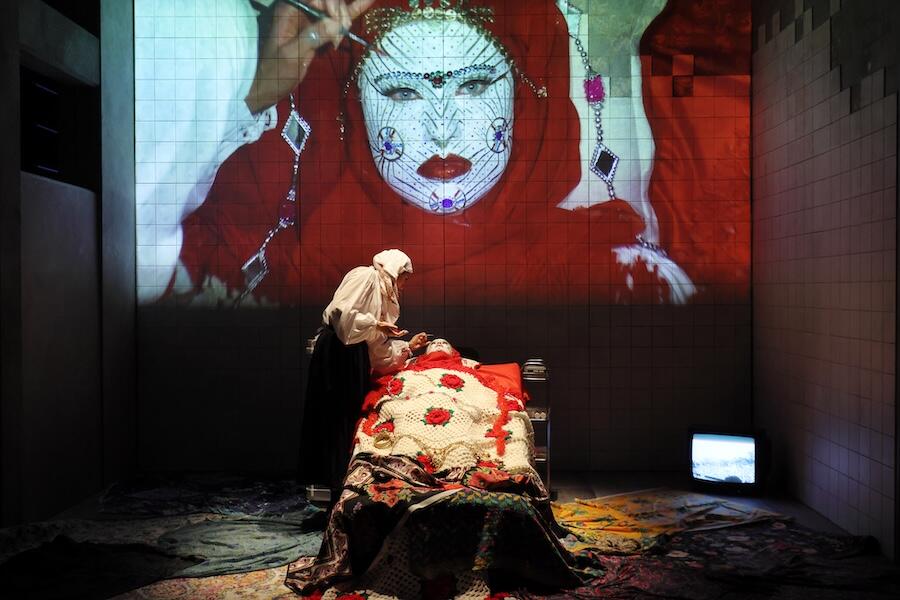
Nowhere was this more striking than Marina Abramović’s ‘Balkan Erotic Epic’ (2025) at Manchester’s Factory International; a four-hour theatrical immersion into reinterpreted Balkan rituals of death, agony and rebirth. Where, in recent years, the artist has embraced dissociation, crystals and silent mediation, this piece invited viewers to wander into the darkness, where they encountered performers in a state of collective mourning, screaming, naked, in the face of death. Through the duration of the piece, dancers made love to skeletons and chased off storms with their genitals exposed (a method ancient Balkans allegedly swear by), facing adversity head on rather than acquiescing to it. The show had no overt political message but modelled survival as a feat of endurance. As Anastasia Federova’s frieze review points out, the loud reclamations of bodily autonomy is ‘the worst enemy of the authoritarian system.’ It’s an energy we can bring into 2026.
Main image: Beeple, Regular Animals, 2025, installation view, Art Basel Miami Beach 2025. Courtesy: Getty Images; photo: Chandan Khanna/AFP