





Patrick Sun Wants You to Engage with LGBTQ+ Histories in Asia
The Sunpride Foundation founder on bringing the ‘Spectrosynthesis’ exhibition series to Seoul – where regional contradictions, community and queer legacy collide
The Sunpride Foundation founder on bringing the ‘Spectrosynthesis’ exhibition series to Seoul – where regional contradictions, community and queer legacy collide
This March, ‘Spectrosynthesis IV’, the latest iteration of Sunpride Foundation’s long-running exhibition series, opens at Art Sonje Center, Seoul. In this conversation, Sunpride founder Patrick Sun talks about the project’s evolution and its sustained engagement with queer histories across Asia. Reflecting on questions of visibility and legacy, Sun considers how the Seoul edition engages local queer neighbourhoods while continuing the series’ commitment to public dialogue and the reimagining of minority experience within contemporary art.
Ivana Cholakova This year, Sunpride Foundation will co-present the fourth iteration of ‘Spectrosynthesis’ at Art Sonje Center. How do you anticipate the Seoul edition will be received?
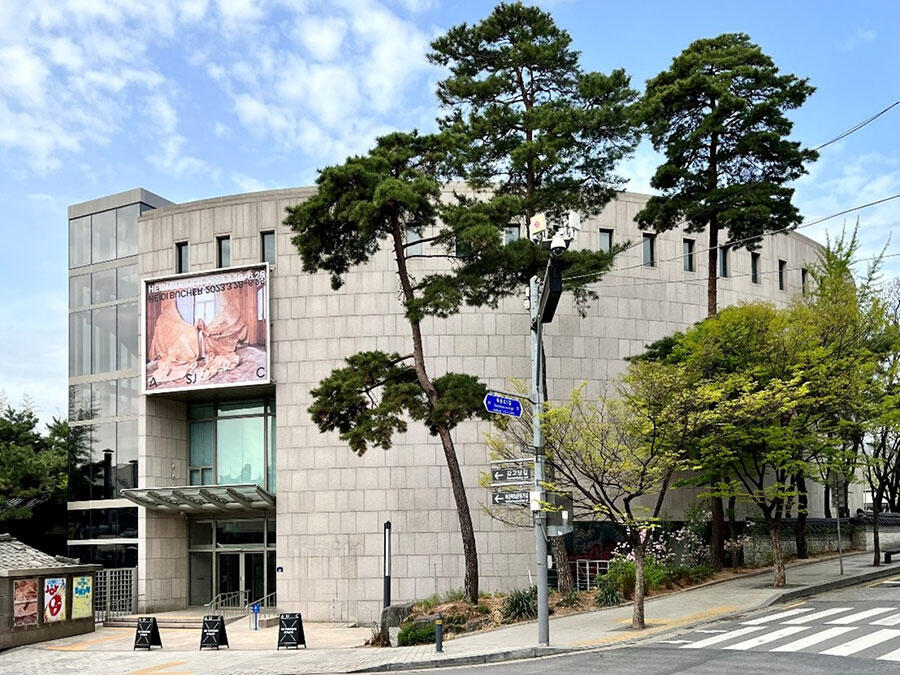
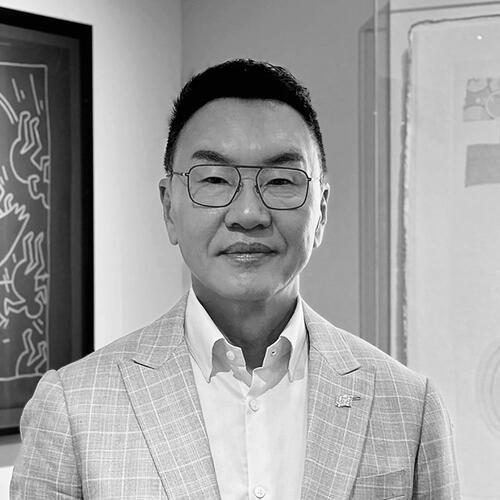
Patrick Sun I’m very excited about the upcoming exhibition, though I’ll admit I’m also a little nervous. That feeling comes from an experience I had about ten years ago, when I participated in a pride parade in Seoul. It was unlike any other parade I’d been to. The main boulevard was completely closed off: on one side, a festive and flamboyant procession from the LGBTQ+ community; on the other, religious protesters with trucks and loudspeakers declaring homosexuality an abomination. It felt like stepping into a parallel universe. South Korea is often described as conservative, yet it has a thriving gay nightlife. These contradictions make it difficult to predict how the exhibition will be received. I feel very lucky to be working with Art Sonje Center, an institution that has long championed minority voices and played a pivotal role in shaping social and artistic discourse.
IC Can you speak to the foundation’s overarching vision and mission? How does the ‘Spectrosynthesis’ series reflect Sunpride’s long-term commitment to queer artistic and cultural practices?
PS Over the past several years, we’ve organized three large-scale LGBTQ+-themed exhibitions across Asia: at MoCA Taipei in 2017, at Bangkok Art and Culture Centre in 2019–20 and, most recently, at Tai Kwun Contemporary, Hong Kong, in 2022–23. We’ve approached this work systematically, with the aim of moving the exhibition across a region where queer practices have long been under-represented. When I first started [the foundation], there was some scepticism. By the third edition – and coming from Hong Kong myself – some thought it would be challenging to bring the exhibition there. But we did, and the exhibition was very well received by both the public and the art world. That experience reaffirmed our direction.
We’re often asked whether, by presenting the exhibition in places like Taiwan or Thailand – societies generally considered more liberal – we’re simply preaching to the converted. I think the Hong Kong exhibition demonstrated that this isn’t the case. We’re committed to bringing the project to contexts where it may be perceived as more challenging. Anchoring the exhibition in public institutions allows a broad audience – uncles and aunties, grandparents, students – to encounter the work. Ultimately, it reflects Sunpride’s mission: to foster a stronger, healthier and more equitable world for the LGBTQ+ community and its allies through the collection and exhibition of art.
IC Are there particular artists – whether Korean or international – whose participation feels especially meaningful?
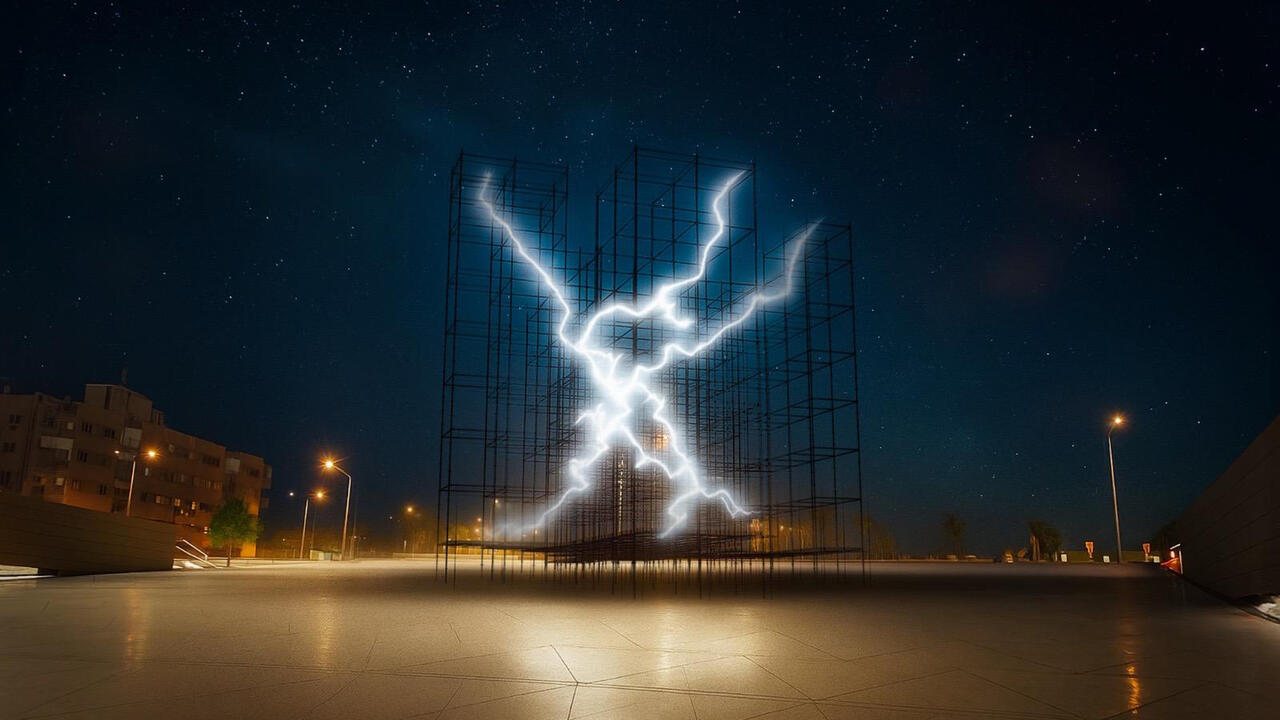
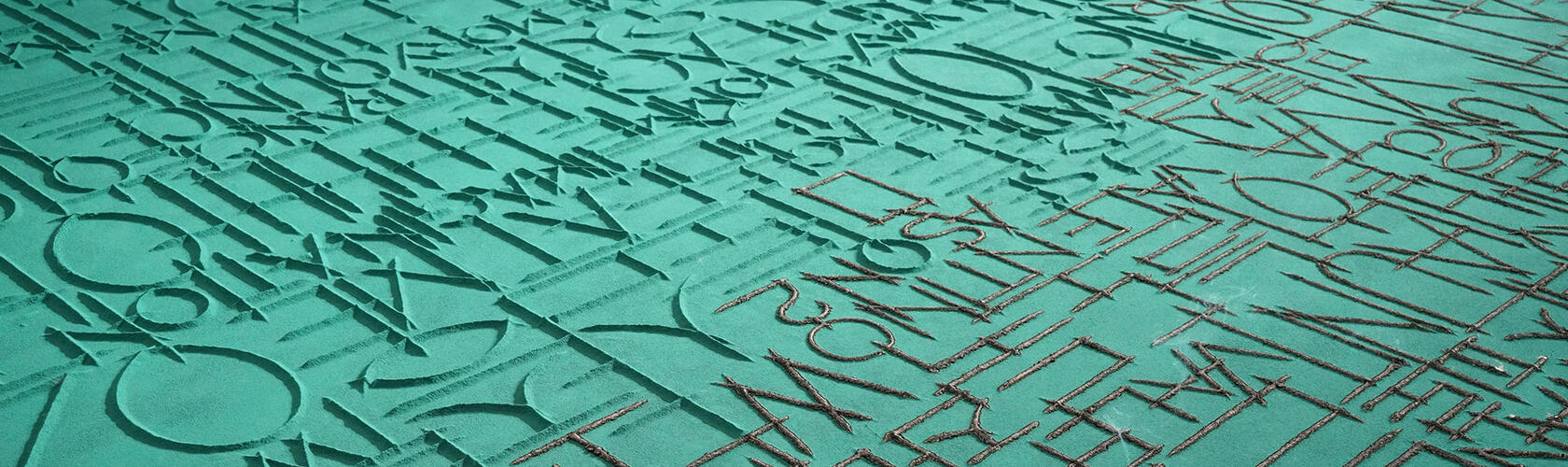
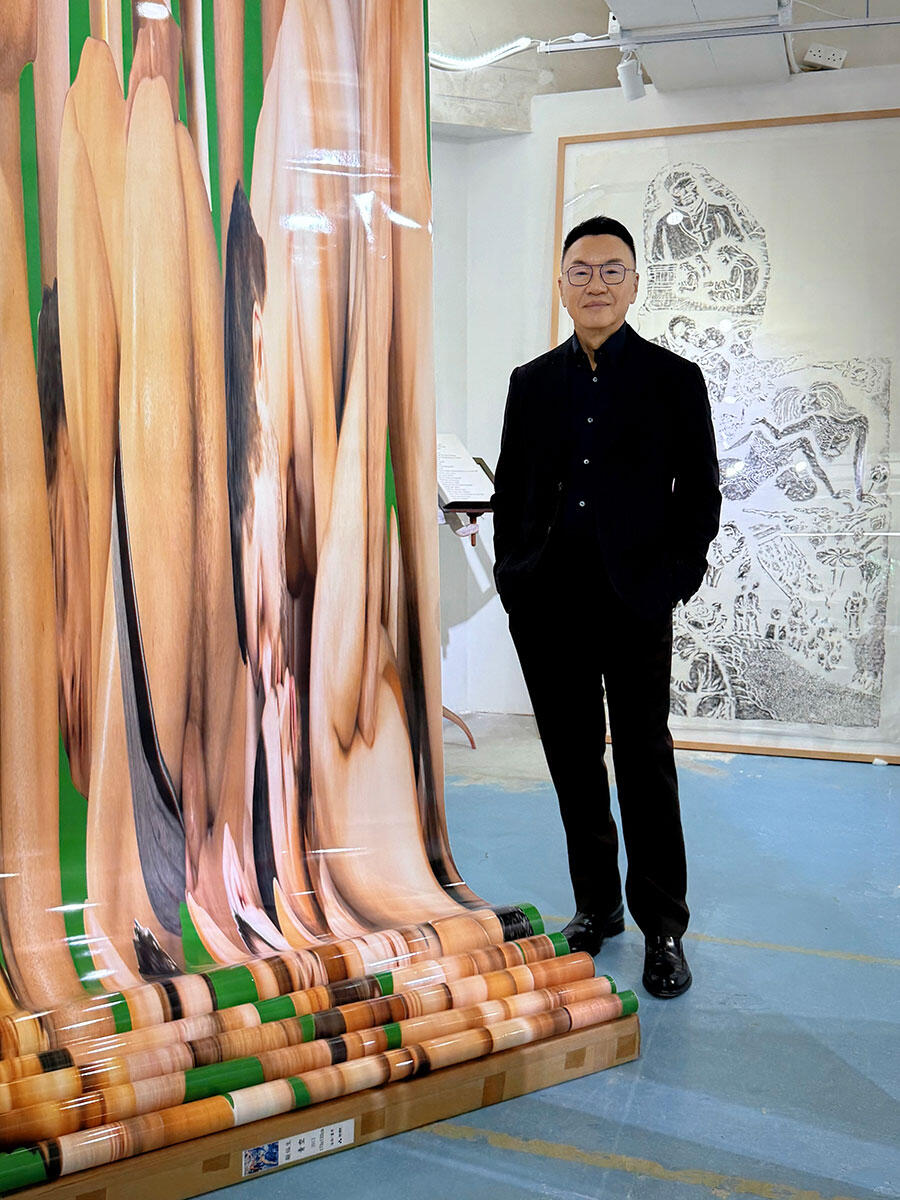
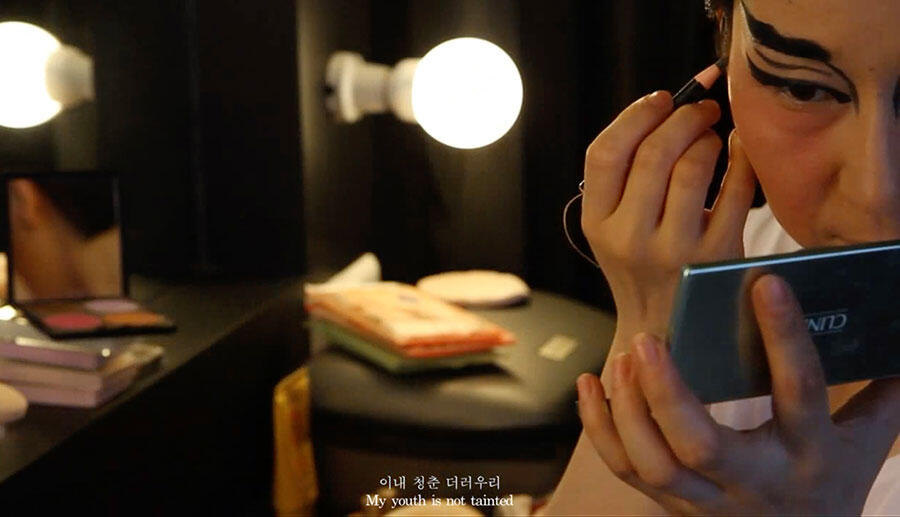
PS There are many, but three artists immediately come to mind. The first is Inhwan Oh, who has created a newly commissioned work using incense to construct an image of gay venues in Seoul, reflecting the city’s current queer scene. Another Korean artist, siren eun young jung – winner of the Korea Artist Prize in 2018 – has spent over ten years looking into traditional Korean opera with all-female casts, exploring both the relationships within the performances and those between performers and audiences.
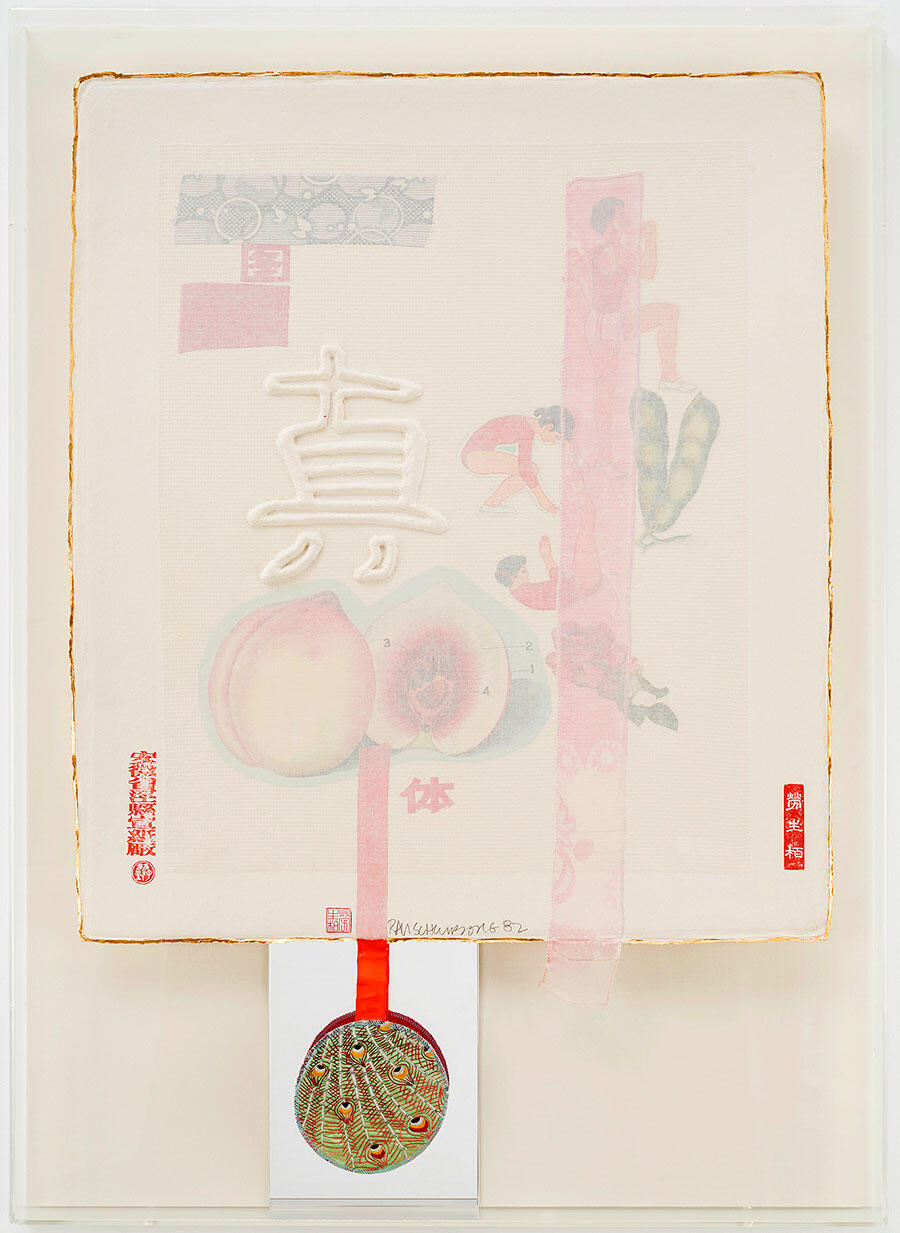
The curators are also including a piece by Robert Rauschenberg – a departure from our usual focus on Asian artists. Last year marked the centenary of his birth, with major exhibitions continuing worldwide. The piece we’re showing, Truth, was made during his visit to China in 1982 and creates a compelling dialogue between Western and Asian contexts. It incorporates collage elements, including a split peach – an image resonant in gay culture – and the embossed word for ‘truth’.
IC Why introduce international artists at this stage?
PS That decision was not mine but the curatorial team’s, led by Sunjung Kim, director of Art Sonje Center, together with [curator and art historian] Dr. Yongwoo Lee. I’ve always seen my role primarily as a collector. But ‘Spectrosynthesis’ isn’t simply a presentation of the Sunpride collection. While some works come from it, many others are newly commissioned or loaned from artists and institutions.
Artists often ask me whether they will be included, but the selection has never been up to me. That said, I think I have a responsibility to ensure [the artists] are presented fairly and thoughtfully. Rather than sending an inventory list, we invited the curators to view the works in person. We rented a separate space to install and contextualize them properly, because contemporary art is never just about the image but also the ideas and stories behind it. The exhibition is shaped not by what we own, but by how the curators bring together a coherent and relevant dialogue.
IC Will this iteration be accompanied by events or publications?
PS Yes, there will be a catalogue. With the previous three exhibitions, the catalogues have become valuable records and research tools. Scholars and institutions have since approached us to access them for further academic research, allowing the exhibition to continue beyond its physical duration. Alongside the publication, there will also be a public programme of performances and talks, with full details to be announced in due course.
IC The upcoming iteration will focus on the queer neighbourhoods of Jongno and Itaewon. How do these locales inform the foundation’s understanding of community-building?
PS Dr. Yongwoo Lee has been closely researching the local neighbourhoods where queer culture in Korea first took root, including Jongno and Itaewon. Exactly how this will unfold in the exhibition is something I’m looking forward to discovering, but I can point to a precedent from our Hong Kong iteration. At Tai Kwun, a former prison complex, the curators used the site strategically to address the historical criminalization and persecution of gay people in Hong Kong. The location itself became a lens through which those histories were explored. I expect to see similarly grounded, site-responsive approaches in Seoul, where local histories and communities play an integral role.
IC Could you briefly talk about how earlier iterations contributed to the foundation’s evolution?
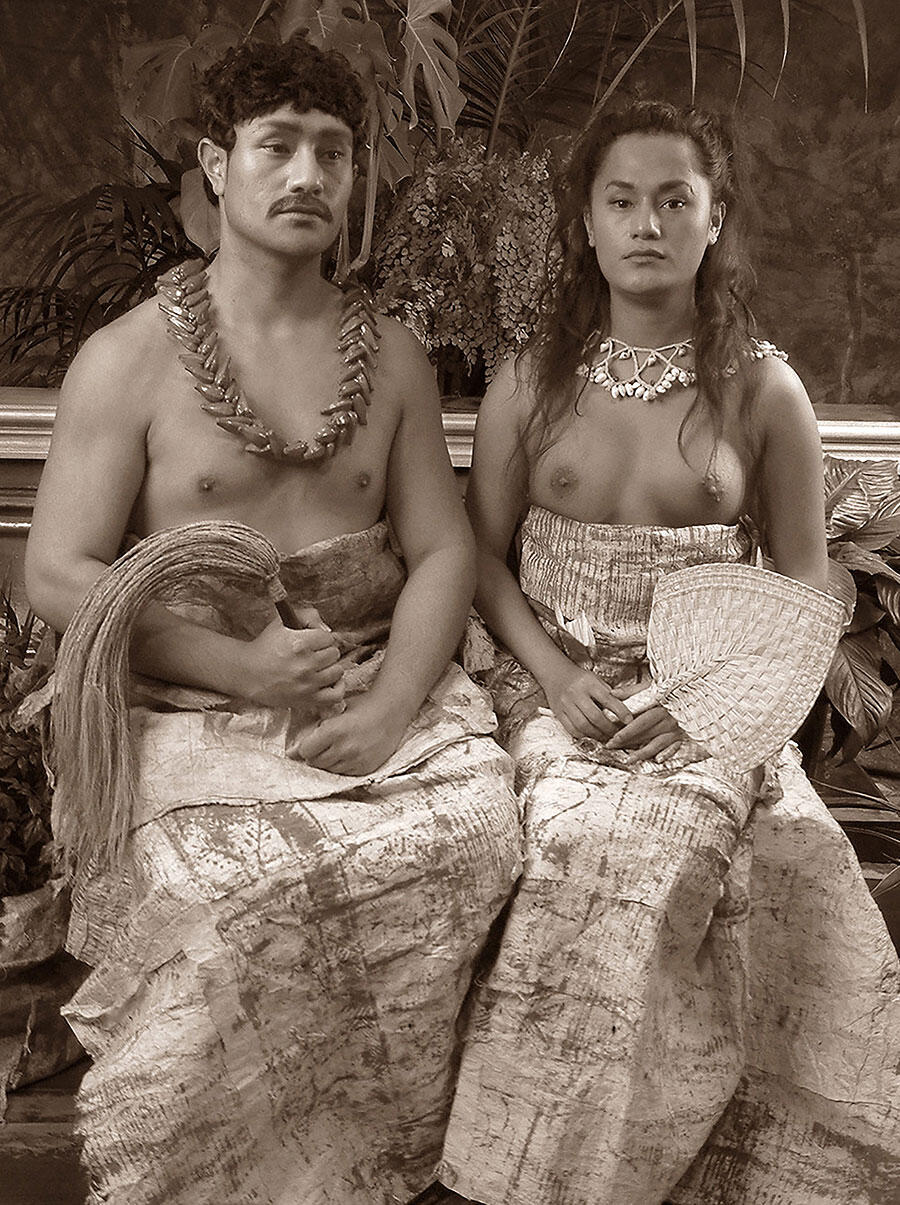
PS One clear shift is that, in the beginning, our collection was predominantly male. I used to justify this by saying it wasn’t intentional – there simply seemed to be more gay male artists. But a close friend pointed out the importance of a balanced view: you can achieve this both through who you choose to include, and through work that addresses diverse experiences. I took this to heart. Since then, we’ve actively broadened the collection, including artists such as Maria Taniguchi, Yuki Kihara, Ayoung Kim, Mire Lee and many more.
IC How has the project shaped your thinking around memory?
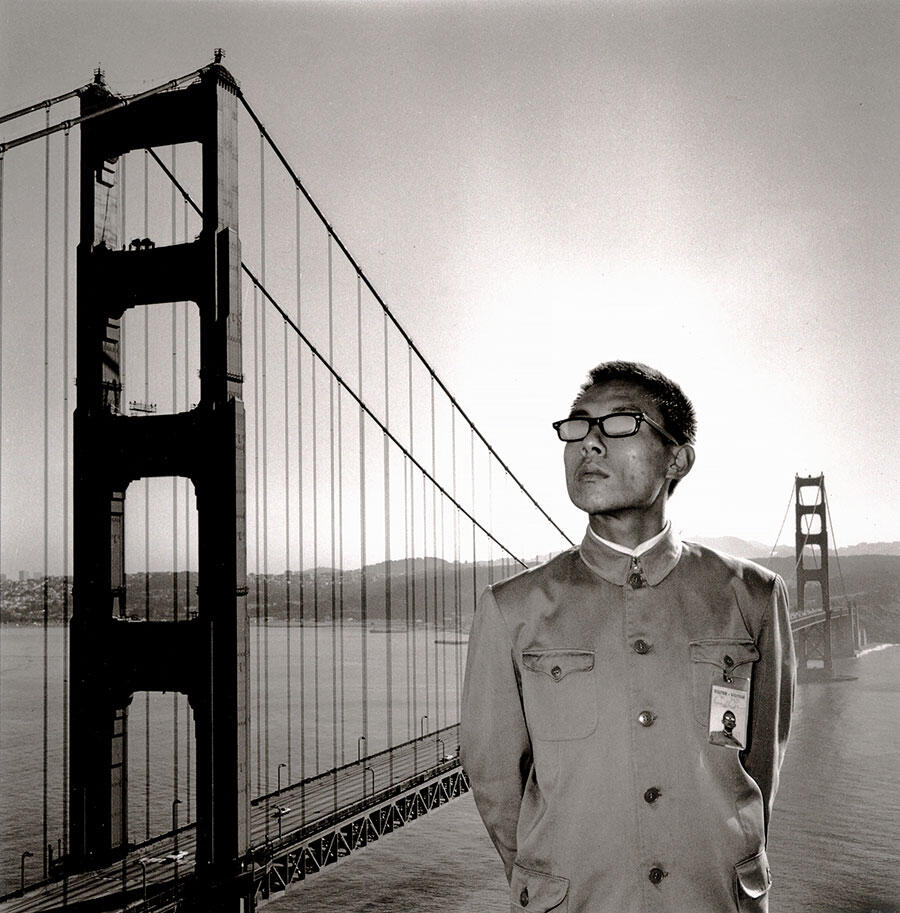
PS At Sunpride, we often talk about queer legacy. Historically, many queer artists – particularly those without children or family – have seen their work, no matter how brilliant, disappear after their deaths. In the current exhibition we have two artists who have passed away: Tseng Kwong Chi and Ching Ho Cheng. In both cases, their sisters have been instrumental in sustaining their legacies. Tseng, in particular, feels so representative of Hong Kong. Audiences sometimes expect queer exhibitions to foreground homoeroticism or sexuality, but that isn’t the point. Tseng’s work speaks instead to minority experience: as an Asian in the US and as a queer person in society. In that sense, minority status becomes a shared condition, and recognizing this can foster greater compassion.
IC Looking ahead, how might the series continue to evolve beyond Seoul? Do you imagine ‘Spectrosynthesis’ maintaining its AsiaPacific focus or extending into new terrains?
PS We certainly plan to continue expanding within Asia; after Seoul, ‘Spectrosynthesis’ will travel to Tokyo. At the same time, we’ve been approached by institutions in Europe and the US. My initial reaction was that the project didn’t need to travel beyond Asia, given the perception of those locations as liberal places where queer rights are firmly established. But recent backlashes have complicated that assumption. No final decisions have been made.
Find out more about Sunpride Foundation
Main image: Inhwan Oh, Where He Meets in Seoul, 2020, powdered incense, 4.4 × 6.2 m, 'The Moment of Gieok', 2019–20, installation view. Courtesy: the artist