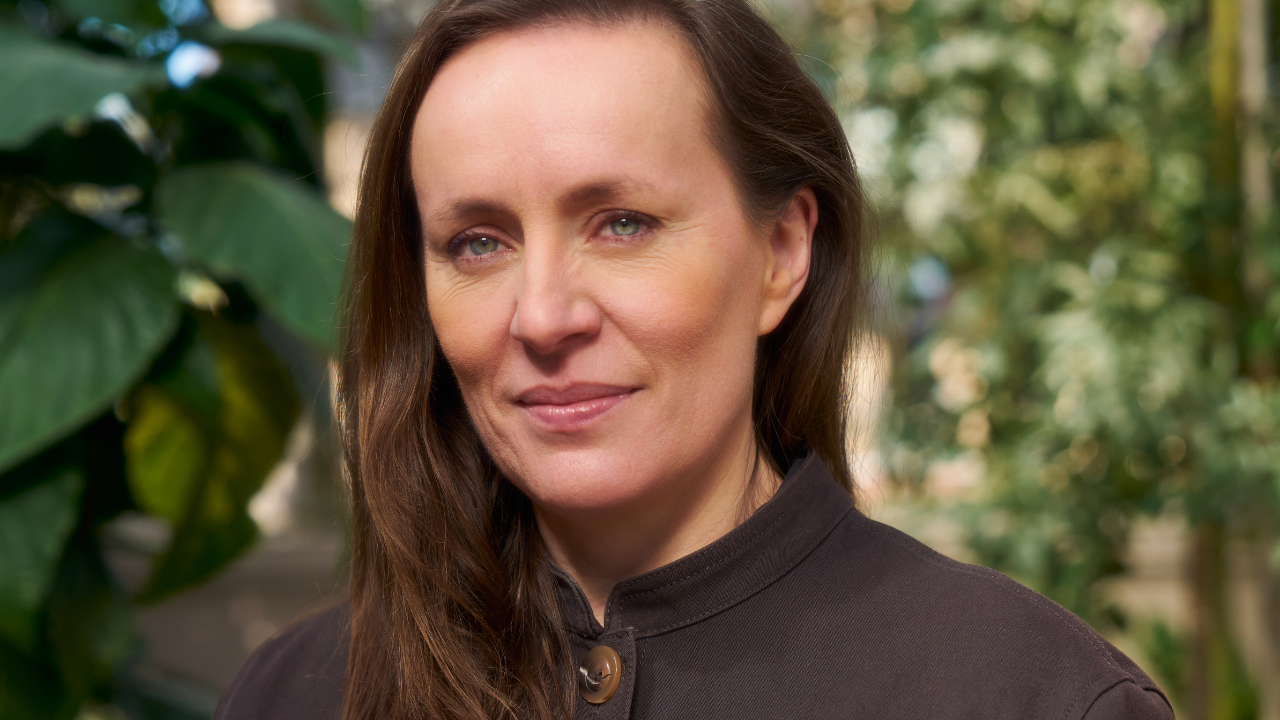




Afroditi Panagiotakou on Expanding the Onassis Foundation in Athens
The artistic director introduces Onassis Ready, the foundation’s newest space and its first ‘factory of dreams’
The artistic director introduces Onassis Ready, the foundation’s newest space and its first ‘factory of dreams’
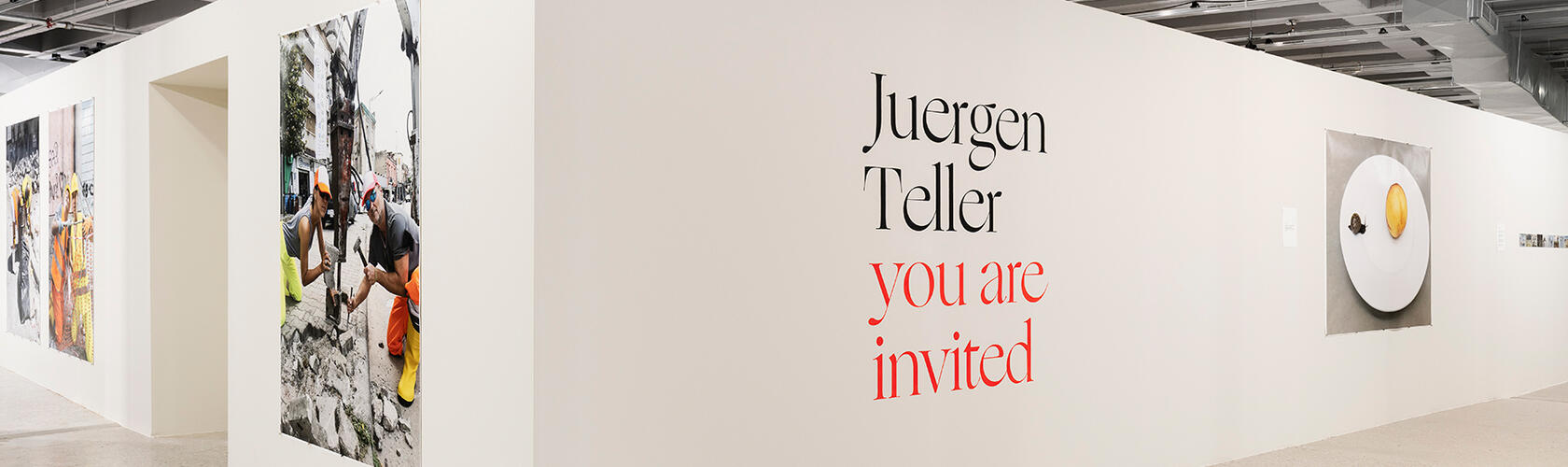
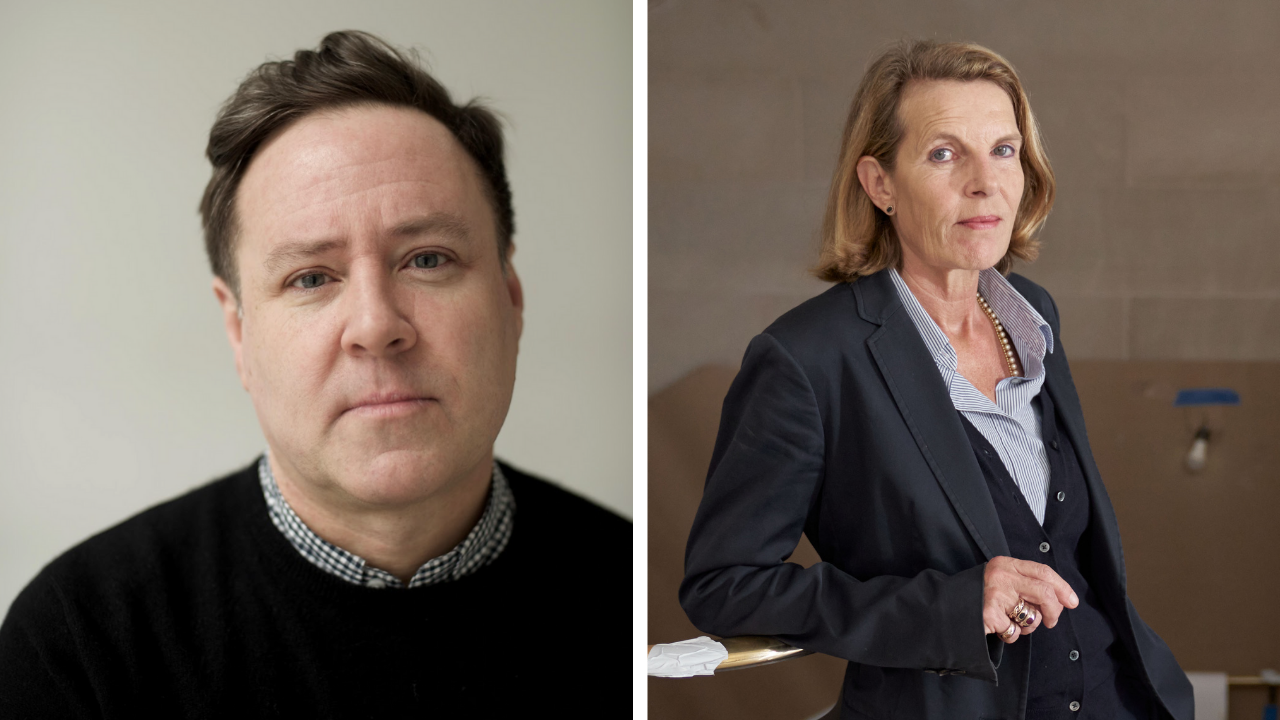
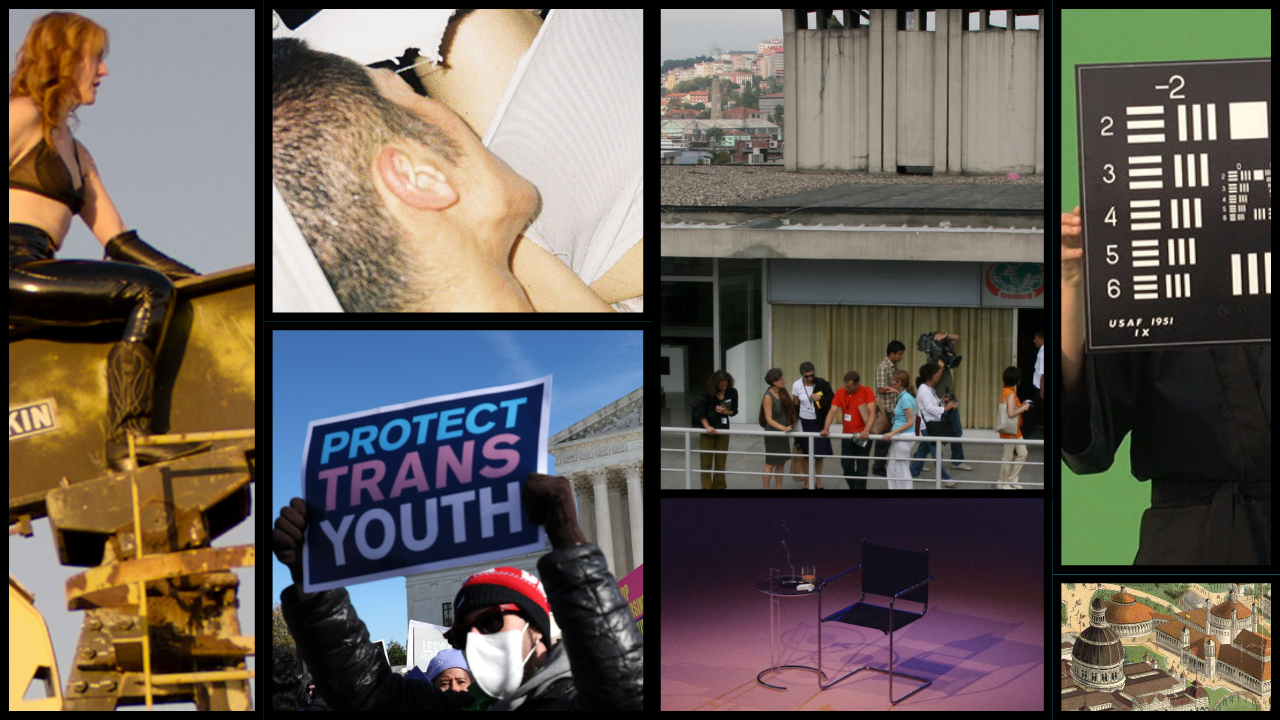
Located in a former plastics factory in the industrial district of Rentis, Onassis Ready is the Onassis Foundation’s newest venue in Athens, joining the 15-year-old Onassis Stegi and deepening the foundation’s commitment to helping artists ‘pursue and realize their dreams’, according to artistic director Afroditi Panagiotakou. The almost 4,000-square-metre space will open to the public this month with ‘you are invited’, a mid-career retrospective of German photographer Juergen Teller.
Next spring, it will host Borderline, the foundation’s long-running festival dedicated to electronic music, and ‘Ongoing’, an exhibition organized by actor Tilda Swinton in collaboration with Eye Filmmuseum, Amsterdam. In addition to festivals and exhibitions, Onassis Ready will also host the recipients of the Onassis AiR and Onassis ONX fellowships.
Chloe Stead How would you describe the main activities and goals of the Onassis Foundation?
Afroditi Panagiotakou I would say that what really matters to us, especially today, is democracy itself. And by democracy, we mean freedom of speech, equal opportunities and human rights. We work towards this mission through culture, education and health.
We try to be – and I believe we are – very practical about how we do this: by supporting people, creating platforms, building hospitals and schools, and allowing artists to pursue and realize their dreams. This is our way of creating a better society.
CS In October, the Foundation will open its second permanent venue, Onassis Ready, in a suburb of Athens. What was behind this decision?
AP It all starts with the word appetite. We have an appetite for creating – it’s as simple as that.
We wanted to create a working space for artists, a place where things are made. We sometimes call it a ‘factory of experiences’ or a ‘factory of dreams’, because if you’re an artist and someone gives you time, space and money, that’s the dream. The idea is that this large space can be transformed according to each artist’s needs. In that sense, we’re investing in the most important part of an artist’s life: the process itself.
Even if it doesn’t lead to a particular product, or even if the artist doesn’t like the outcome, that’s fine. Take risks, fail – it’s fine. Just show up and work. This building will be a kind of factory where people do different things side by side: a filmmaker next to a painter, a lighting technician next to someone building for the theatre.
We’ve also started technical residencies, with rehearsal spaces connected to our main building. It’s all about the importance of process, and the luxury – because it is a luxury – of time.

CS Onassis Ready is located in a former plastics factory. What was your architectural vision for the space?
AP Well, first of all, we really liked the idea that it used to be a factory for plastic bottles. There’s something poetic about that: a bottle is a container, and this building is a container too. You can decide what to put inside it, experiment and shape it as you like. The space is extremely flexible: you can shoot a film there, set up editing rooms, create green screens or even use AI tools with full computational capacity. You can dance, perform, experiment or produce whatever type of artistic work you imagine. Essentially, the building will adapt to what you want to do inside it.
CS What led to the decision to open with an exhibition by German artist Juergen Teller?
AP The building is raw and beautiful, but not in a mainstream way – which, I think, is exactly what Teller’s photography is about. It has this wonderful ugliness and catastrophic beauty.
CS Can you tell me more about the industrial area of Athens where the building is located? Was choosing a location on the outskirts of the city a deliberate decision?
AP This area, Agios Ioannis Rentis, is a suburb of both Piraeus and Athens. It sits in between, and we like that ‘in-between’ feeling in everything we do. From the building, it feels as if you could reach out and grab the Parthenon with your hands. That’s another democratic element of Athens – you can have views like that even from one of the city’s poorest neighbourhoods, which isn’t the case in most capitals. To see the Eiffel Tower, for example, you have to be in an extremely wealthy part of Paris. Here, that’s not the case.
So you can reach out and ‘hold’ the Parthenon with one hand, and with the other, the Ferris wheel from the amusement park right across the way. There’s a football field next to us, small factories and little workshops where people make art frames. If you work with ceramics, there's a kiln just over the road. If you need mechanical expertise, you can go to the car repair shop and collaborate with someone there. This part of the city has everything – but it’s all related to the process of making things, not the things themselves.
CS Taking a step back, what do you think are the strengths of the Greek art scene today? And where do you think there is still room for improvement?
AP I think one of the main strengths of Greece and the Greek art scene is our geographical position. We are incredibly well connected, and this unique positioning allows us to understand not just the art world but the world itself.
For example, if you look at a map of Greece, Gaza is right there – you can’t ignore it. We are not isolated; the rest of the world is practically around the corner. Our proximity to such diverse places – Zagreb, Cairo, Rome, Beirut – gives us a perspective that is rare.
Practically speaking, the scale of Athens is ideal for artistic engagement. It’s large enough to get lost in, yet intimate enough to meet both familiar faces and strangers. People are open, and the city still offers relatively affordable real estate. You can’t expect a vibrant contemporary art scene in a city where you can’t even rent a place. It’s not as inexpensive as it once was, but Athens remains accessible.
There is no safety in being an artist, that goes without saying, but I would like to see Greek artists take more risks. They need to be bold – fearless in travelling, in creating, in acting.
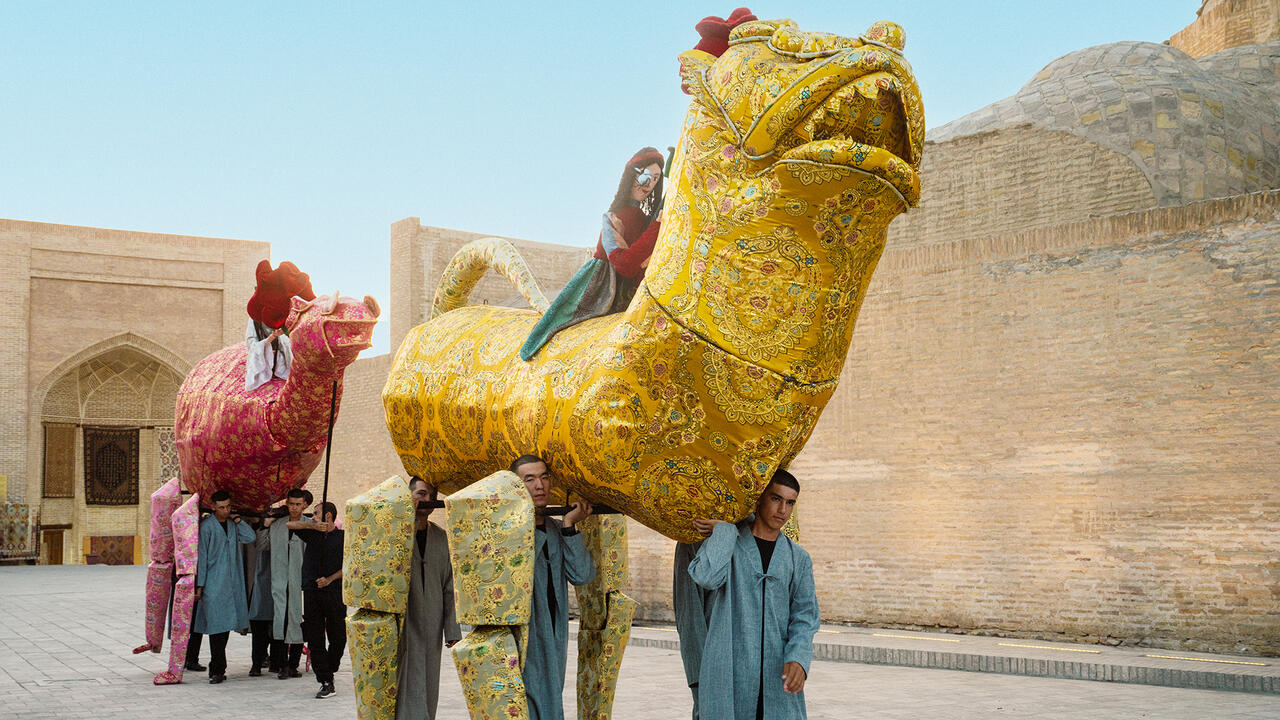
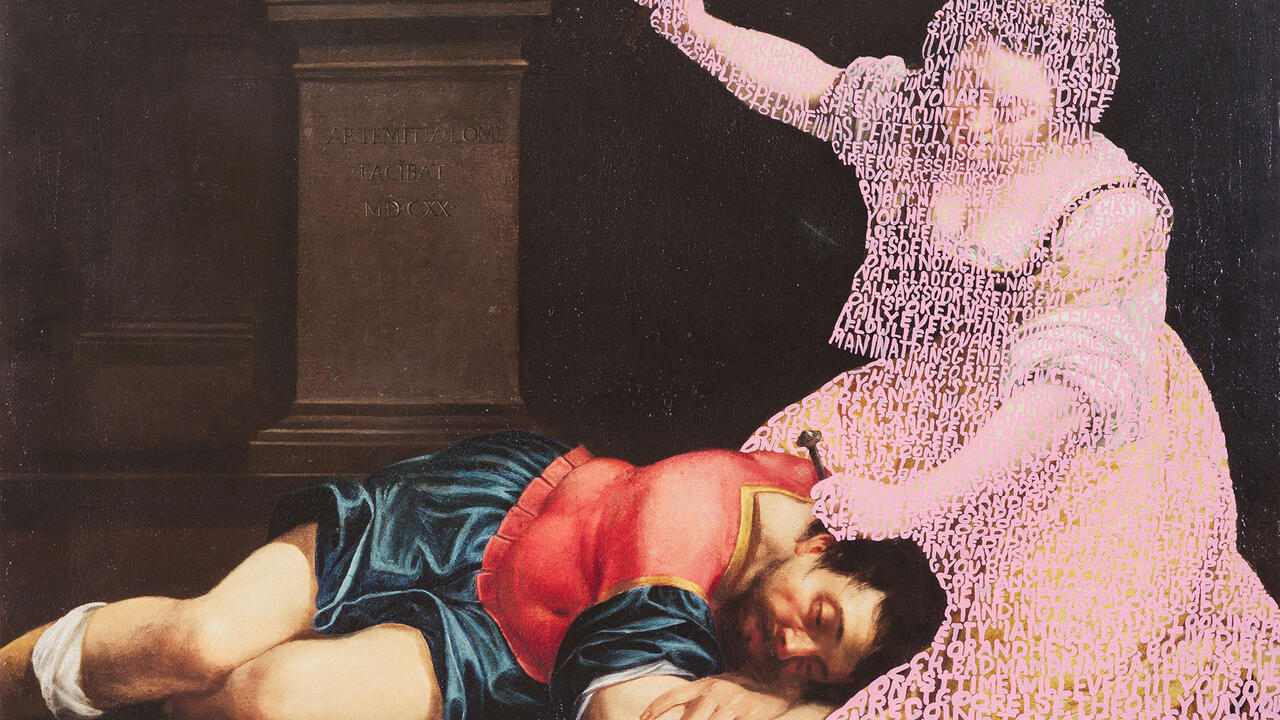
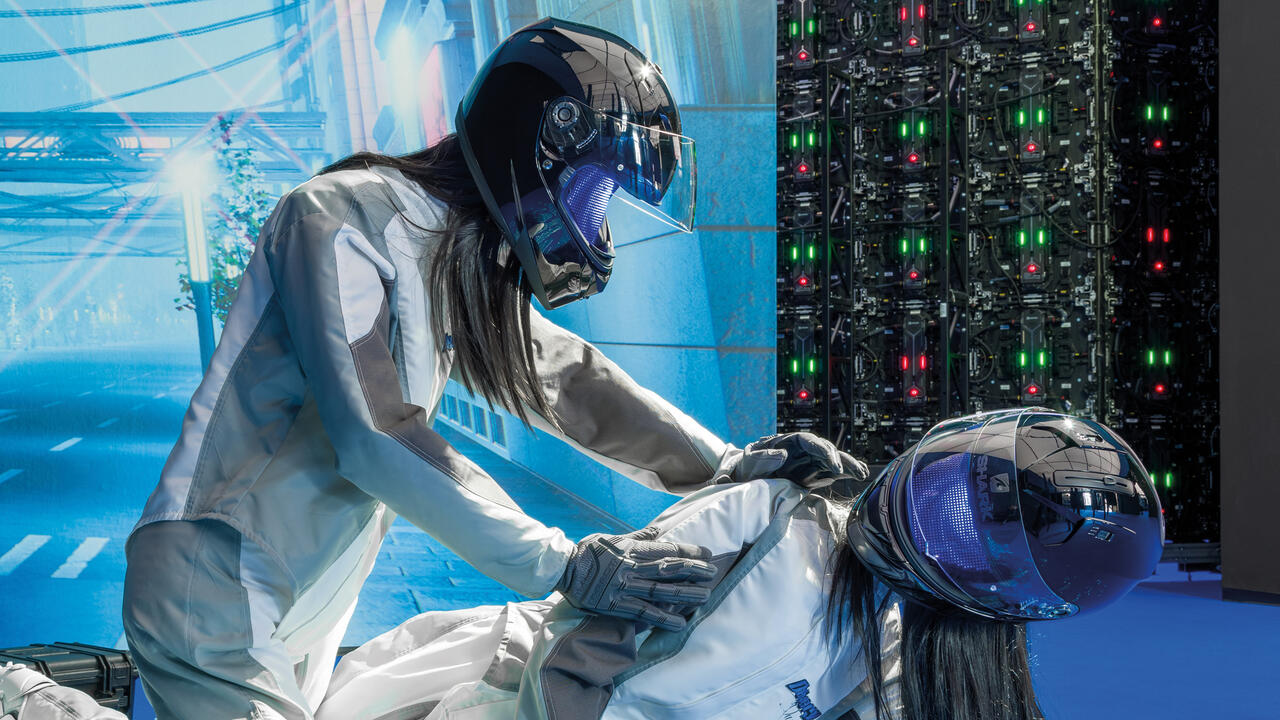
Main image: Tiago Rodrigues, La Distance (The Distance), 2025, at Festival d'Avignon © Christophe Raynaud de Lage