




Ala Younis Rethinks How History Is Built
At NYU Abu Dhabi, the artist’s architectural models and research-driven collages reframe Arab modernity, treating the archive as a contested, living terrain
At NYU Abu Dhabi, the artist’s architectural models and research-driven collages reframe Arab modernity, treating the archive as a contested, living terrain
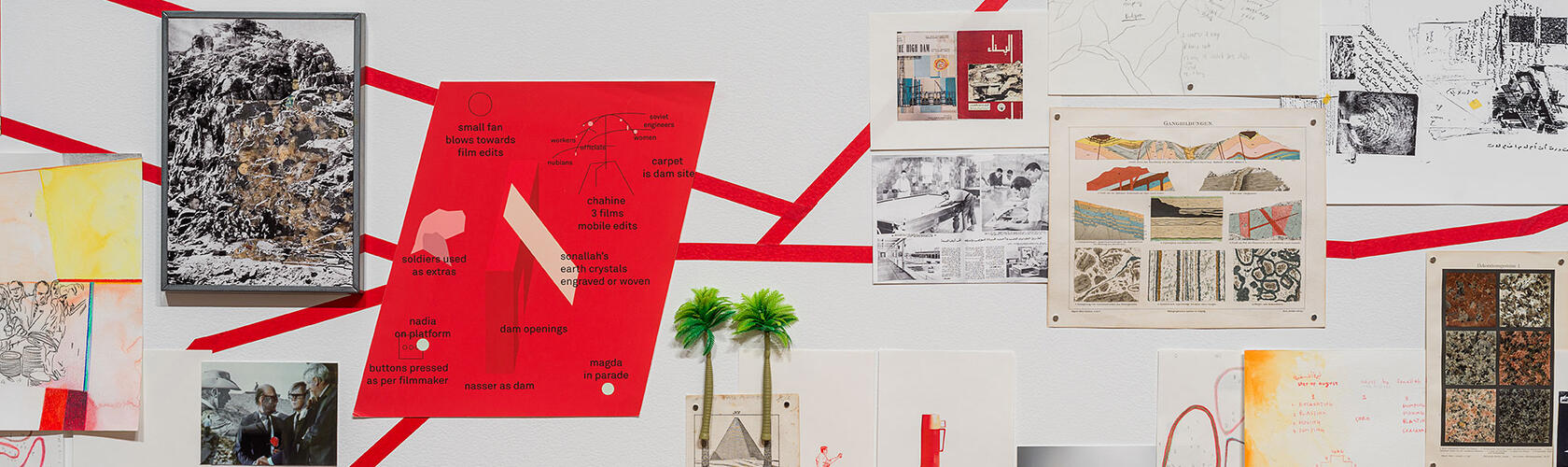
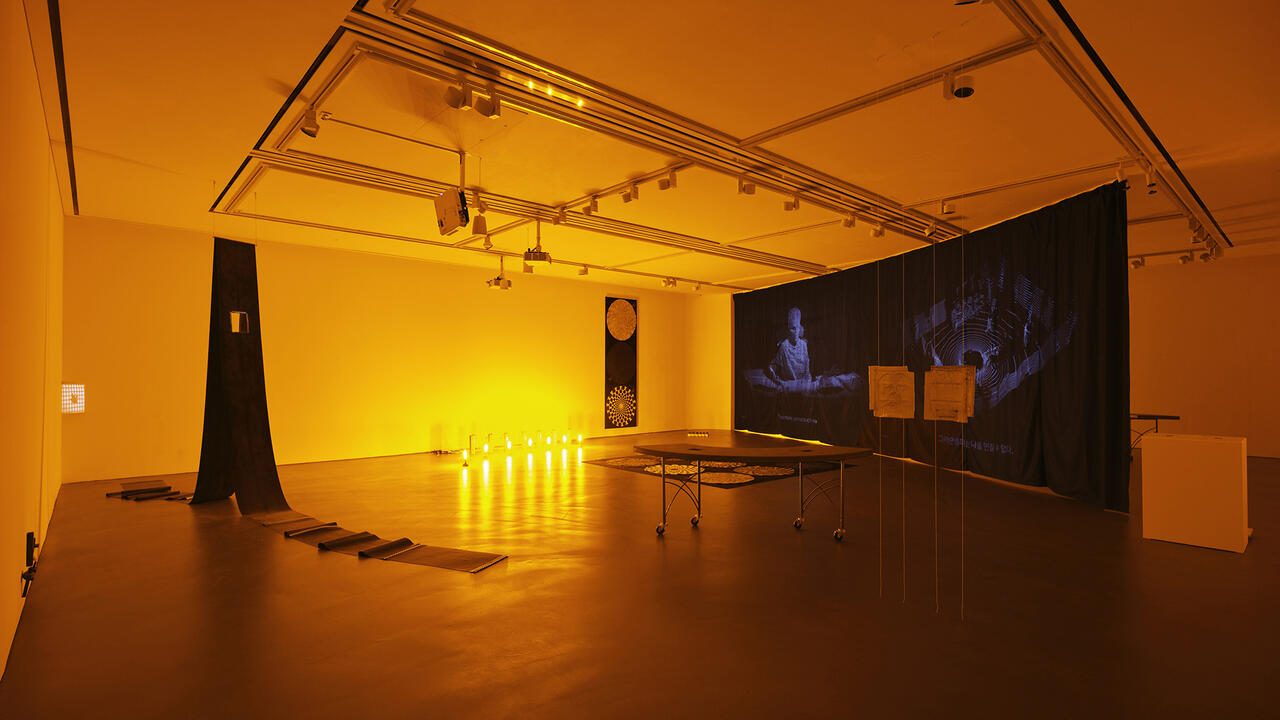
Kuwaiti-born Jordanian artist Ala Younis’s 20-year survey at NYU Abu Dhabi, ‘Past of a Temporal Universe’, reads less like a traditional retrospective than as a portal for reimagining how knowledge is constructed. Translating dense historical and political research into spatial encounters, Younis bypasses our exhaustion with information overload. Her installations reintroduce urgency through embodied experience: objects, models and staged environments allow viewers to intuit the stakes before reading a single wall text.
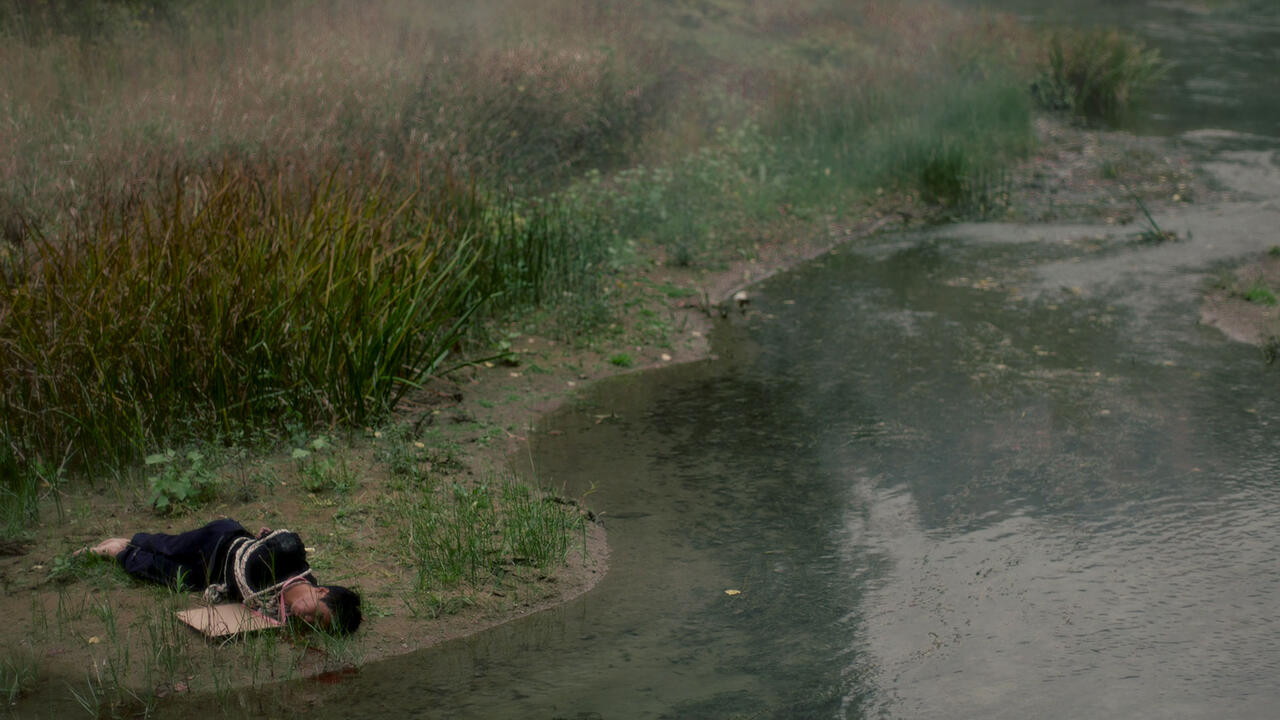
Informed by her background in architecture and visual cultures, Younis explores the intersections of Arab geographies, history and lived experience. Her work draws from formal and informal records to attend to the intimate, often unseen lives behind official histories. Navigating industrial militarism, modern architecture and media, she approaches archives as a dynamic terrain shaped by exclusions, revisions and competing narratives. The exhibition brings together iconic installations, including Nefertiti (2008) and Tin Soldiers (2010–11), alongside new works, which function as invitations rather than didactic displays: nothing is laid out neatly, viewers piece together stories from fragments.
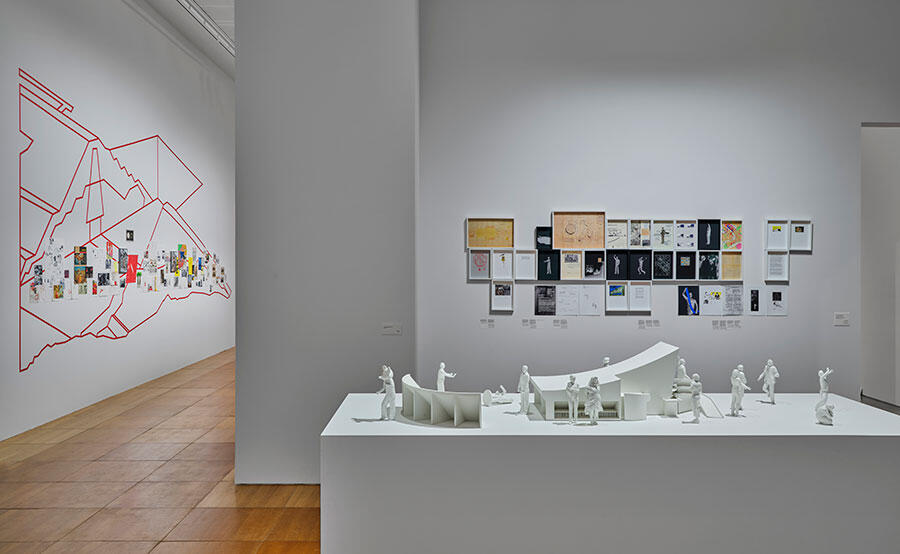
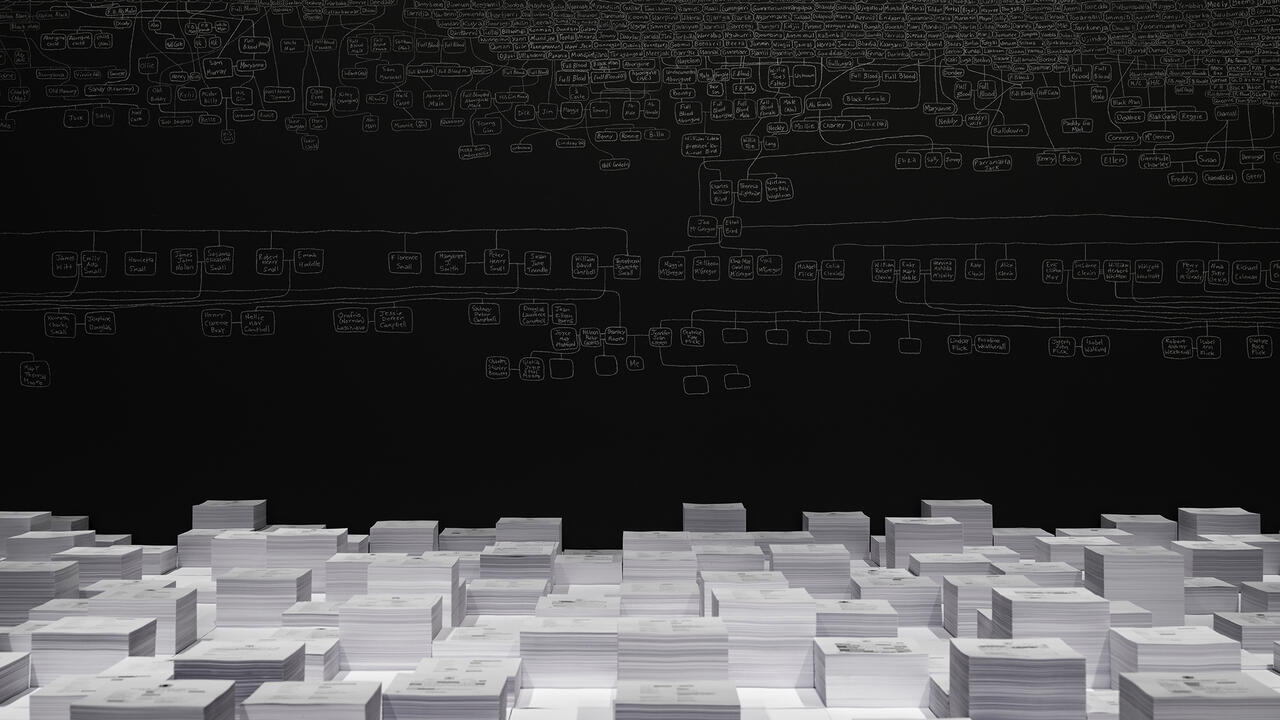
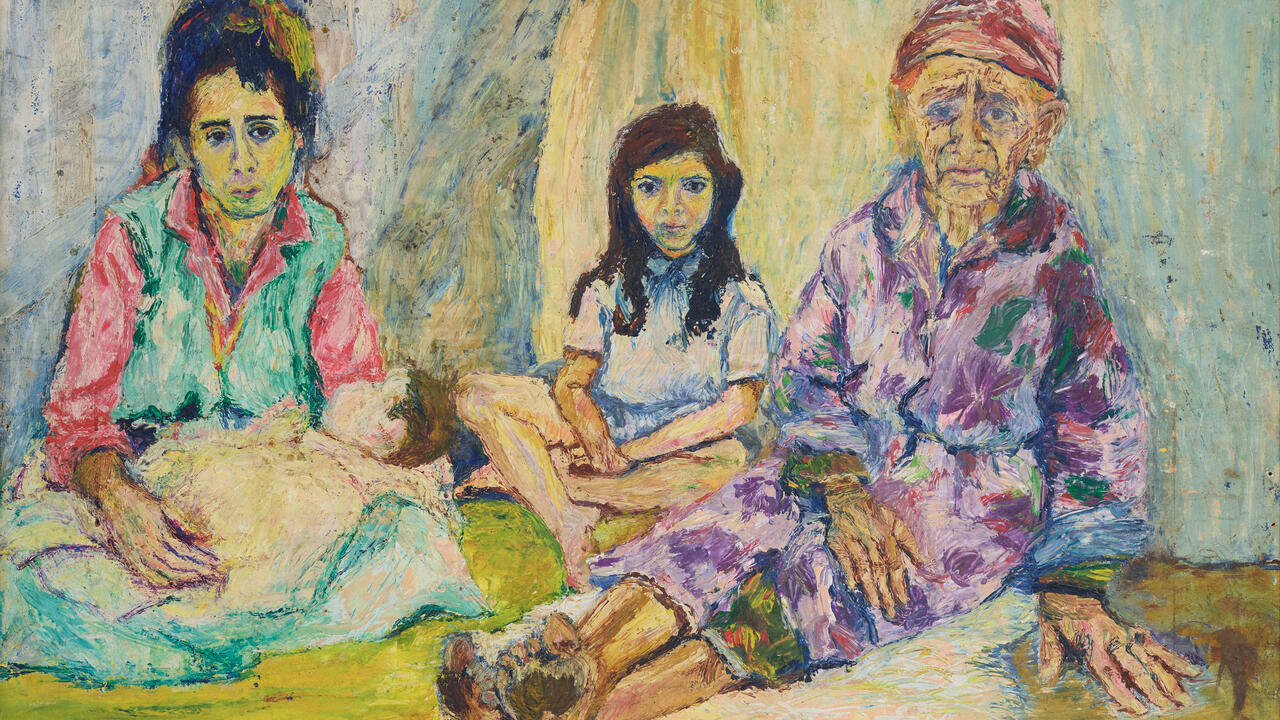
Two iterations of a single project form a central axis of the show: Plan for Greater Baghdad (2015) and Plan (fem.) for Greater Baghdad (2018). First shown at the Venice Biennale, Plan for Greater Baghdad consists of a model and a constellation of visually compelling historical materials documenting Le Corbusier’s Saddam Hussein Gymnasium in Baghdad. Along two walls, documents, photographs and digital images trace the project’s ‘male’ genealogy, mapping the complex network of architects, planners and heads of state involved in the gymnasium’s 25-year evolution. Opposite, the 2018 iteration presents a ‘female’ counternarrative. Younis inserts women marginalized within these accounts – including Zaha Hadid, Fahrelnissa Zeid and Nuha al-Radi – alongside artists and researchers whose acts of documentation and preservation were integral to Baghdad’s modern development. Plan (fem.) for Greater Baghdad reframes found archival material to challenge the gendered historiography of the city’s architectural and political past.
The centre of the room holds the project’s physical manifestation: small male and female figurines encircle an immaculate white architectural model of the gymnasium, each figure is carefully choreographed, frozen mid-gesture. Their identities and trajectories are illuminated through the surrounding montage, giving historical layers tangible form. Here, Younis explores how monuments are preserved, interpreted and mobilized as instruments of power.
‘High Dam’ (2015–25), her longest running series, forms the exhibition’s gravitational centre. Examining the Aswan High Dam – constructed under Egyptian President Gamal Abdel Nasser with Soviet support and framed as a ‘modern pyramid’ – the work interrogates its elevation to national myth despite its construction submerging Nubian land and displacing entire communities.
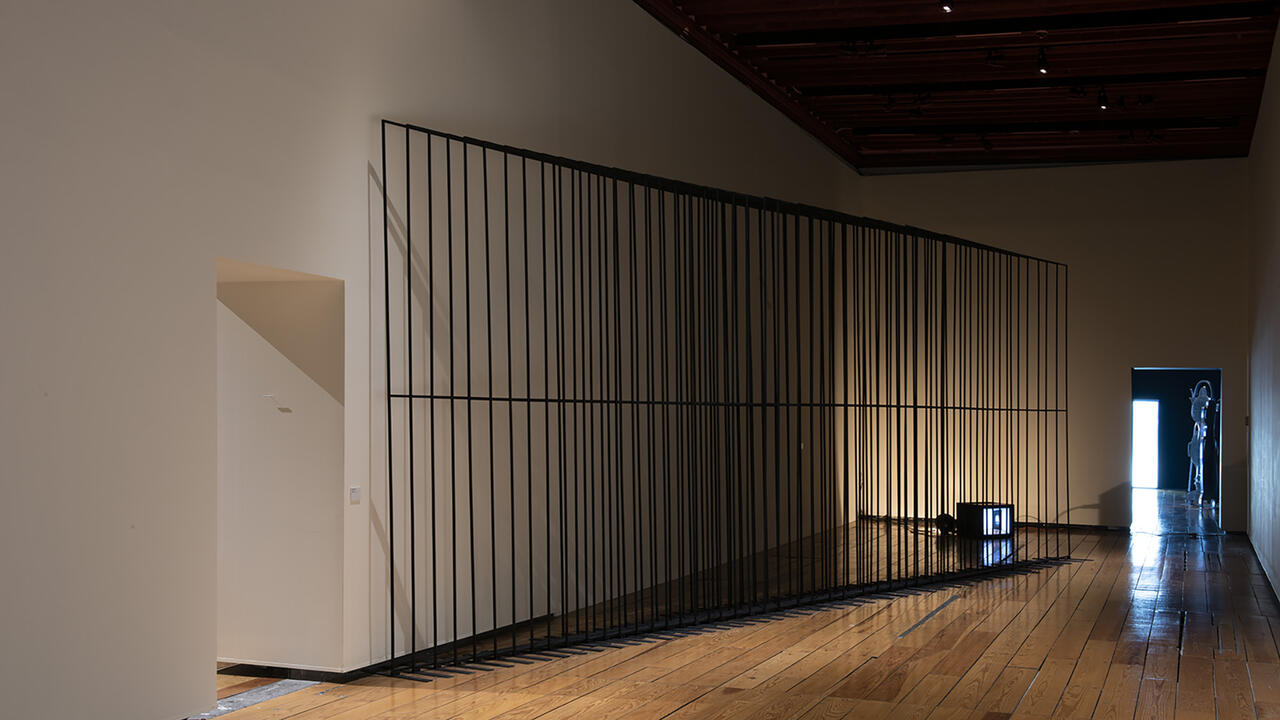
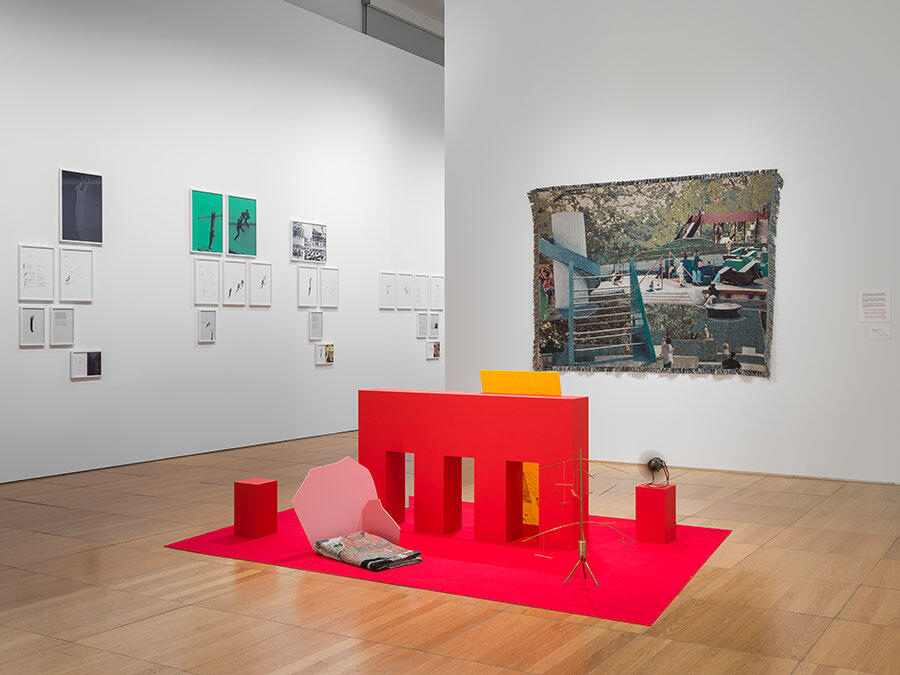
At the entrance, High Dam (Modern Pyramid) (2019) commands attention with vermilion geometric forms. Initially obscure, the installation gradually yields its logic through a corresponding diagram: a central rectilinear block signifies ‘Nasser as dam’, symbolizing how the Egyptian leader positioned the structure as an emblem of national modernization. A steel mobile references edits of Youssef Chahine’s 1972 promotional film The People and the Nile; mountain-shaped panels represent soldiers deployed as extras, while other rectilinear forms denote performers and workers. Nearby, a map-style archival display traces key moments such as the 1968 relocation of the Abu Simbel temples, situating the dam within historical and cultural contexts.
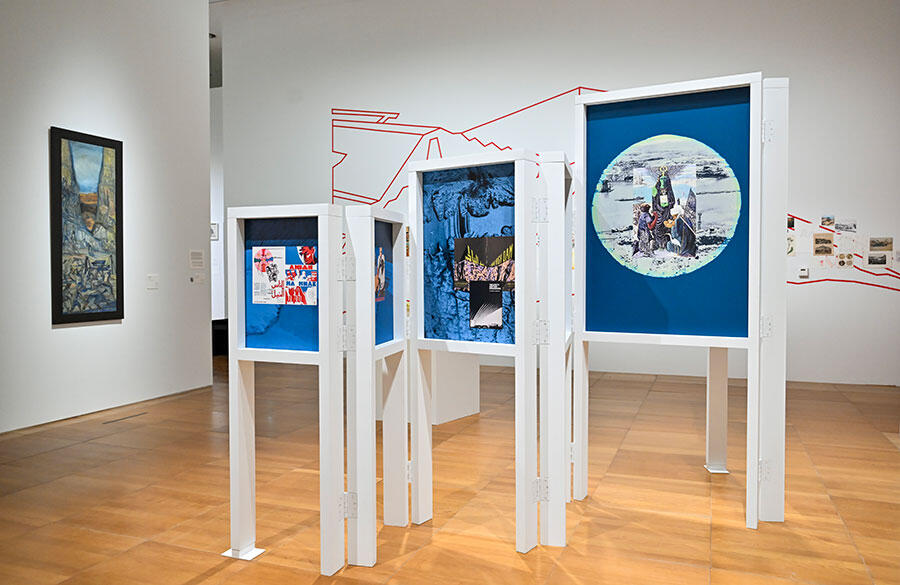
Study Structure (2025), a recent research collaboration with historian Dr Masha Kirasirova, examines Soviet–Arab relations and the dam’s visual framing as a symbol of progress during the Cold War. Viewers navigate hinged blue panels featuring collage-like visual essays composed from multiple viewpoints – Soviet and Egyptian, propagandistic and cultural, official and artistic. Meaning emerges through proximity and comparison, as we move between competing accounts.
Across the exhibition, Younis insists that archives are never inert: she assembles history spatially, inviting viewers to slow down, observe closely, and engage the space through full sensory awareness – a rare and powerful way to experience history.
Ala Younis’s ‘Past of a Temporal Universe’ is on view at NYU Abu Dhabi until 18 January
Main image: Ala Younis, High Dam (Concrete Poetry), 2023–2025, drawings (graphite and coloured pencil on paper), inkjet prints, etchings, lithographs, steel, plastic, adhesive tape, vinyl record, dimensions variable. Courtesy: the artist and NYU Abu Dhabi Art Gallery; photograph: Altamash Urooj