



The Ten Best Shows Around the World of 2025
From Shinro Ohtake’s exposed film sheets to an archive of Palestinian textile works, here are the shows frieze editors couldn’t forget
From Shinro Ohtake’s exposed film sheets to an archive of Palestinian textile works, here are the shows frieze editors couldn’t forget
Across many of the shows this year, decay and dishevelment are treated not as representatives of loss, but as passages towards something new, creating a feeling of liminality throughout. This in-between quality appears in Reginald Sylvester II’s crescent-shaped portals in Accra, in Emma Prempeh’s painted memories for Tiwani Contemporary, Lagos, and in the transitional space of Jeddah’s Western Hajj Terminal for the Islamic Arts Biennale, where thresholds offer moments of pause and reflection, and prompt the question of what it means to belong. In no particular order, here are the exhibitions from around the world that stopped us in our tracks.
Emma Prempeh | Tiwani Contemporary, Lagos, Nigeria
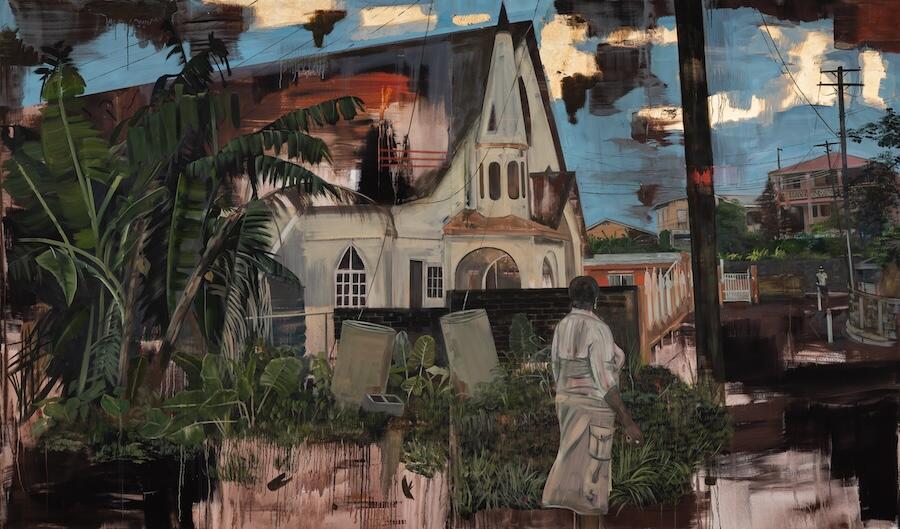
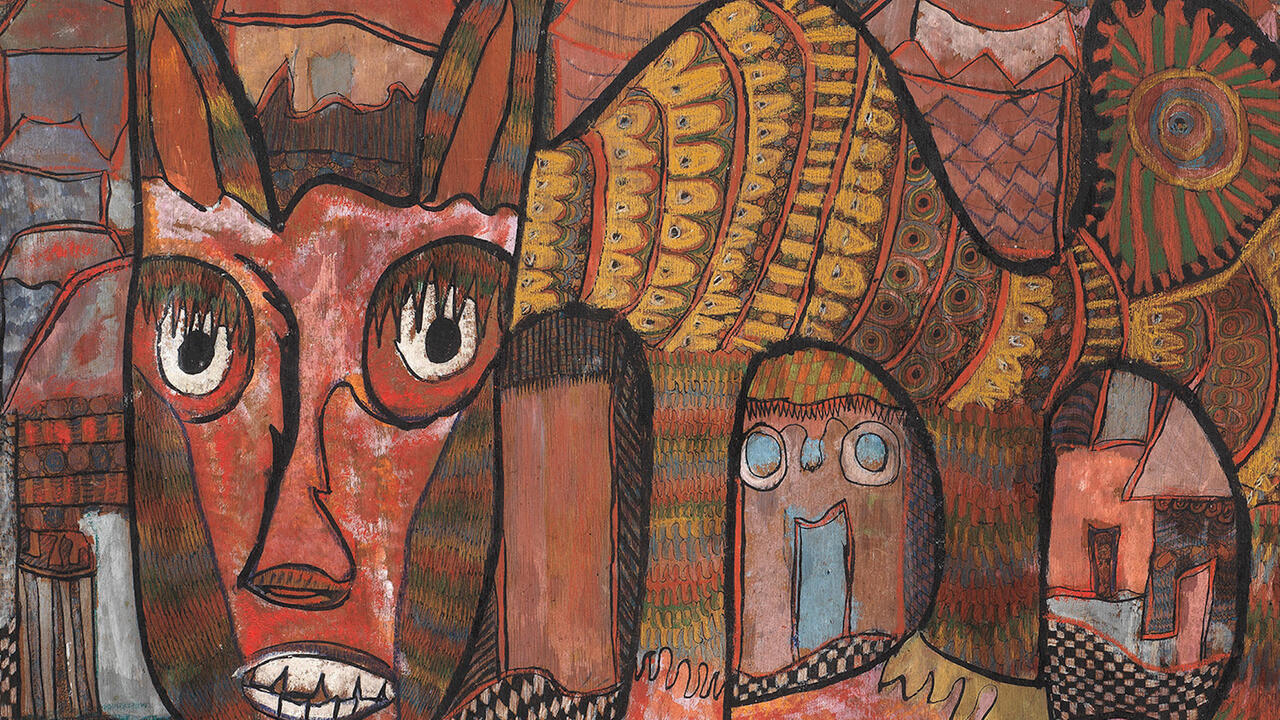
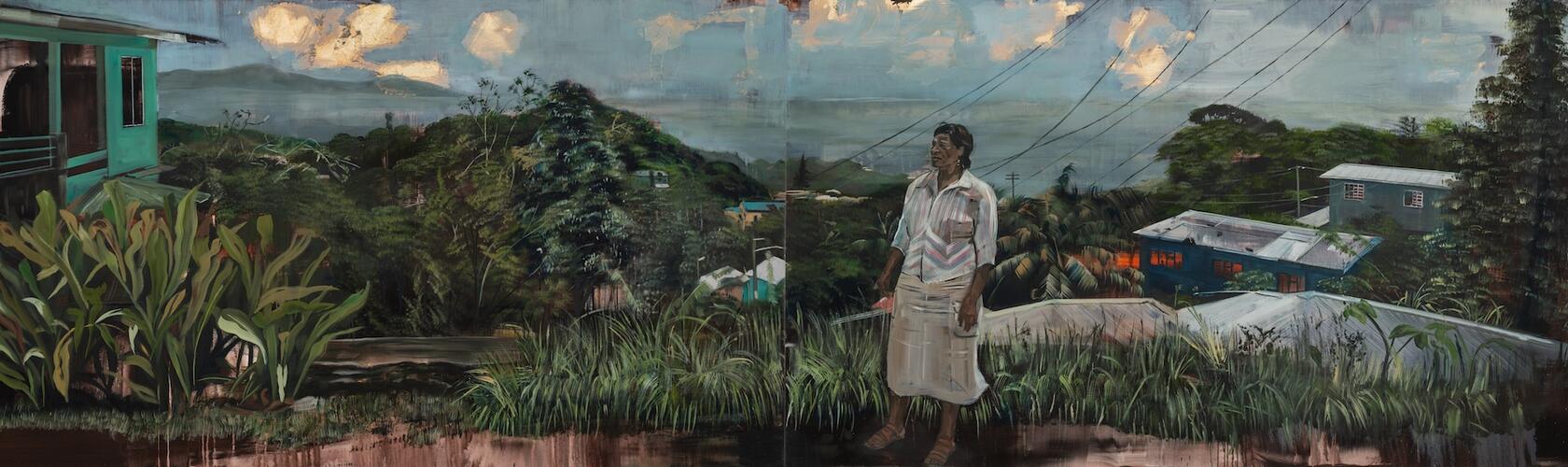
What does home mean if you have spent your life living in the in-between? Second-generation immigrant, diasporic subject and a child of multiple heritages? This is what London-born artist Emma Prempeh negotiates in ‘Belonging In-Between’, an exhibition series that documents her mother’s return to St Vincent after leaving her Caribbean home 40 years earlier – a journey that becomes a proxy for the artist’s own negotiation of distance and belonging. Each canvas transports the viewer to the site of a memory: the impressionistic quality of Prempeh’s paintings and the dense surge of green bushes, palms, grasses and hedges overwhelm the canvas, so that buildings and figures become secondary objects. This excess of foliage, combined with her painterly blur, creates a veil between the viewer and the image, mirroring the distance between the present and the contested space of memory. – Angel Lambo
Taipei Art Biennale | Taipei Fine Arts Museum, Taiwan
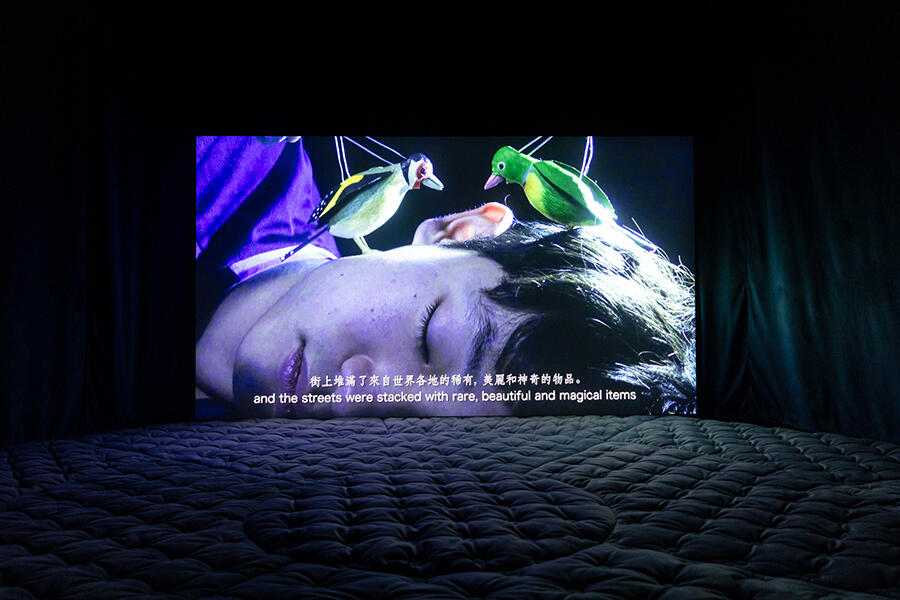
In October, I travelled to Taiwan for the opening of the 14th Taipei Art Biennale, which takes over the city’s fine arts museum and, this year, was curated by the directors of Berlin’s Hamburger Bahnhof, Sam Bardaouil and Till Fellrath. Titled ‘Whispers on the Horizon’, the show evoked a nebulous sense of yearning, and shone in the moments where it integrated the museum’s historical collection with new commissions and contemporary works. Here’s what I wrote at the time: ‘Increasingly, biennials serve as soft-power muscles for the governments that help fund them – a fact rather than a judgement. For curators, this often means creating shows that are both rooted in a place, and oriented towards international engagement. By leaning into a universal feeling of yearning that we all recognize, Bardaouil and Fellrath have created a meaningful space, despite the tensions arising from these pressures, and a show that seems to genuinely connect with its audience’. – Sean Burns
Reginald Sylvester II | Limbo Museum, Accra, Ghana
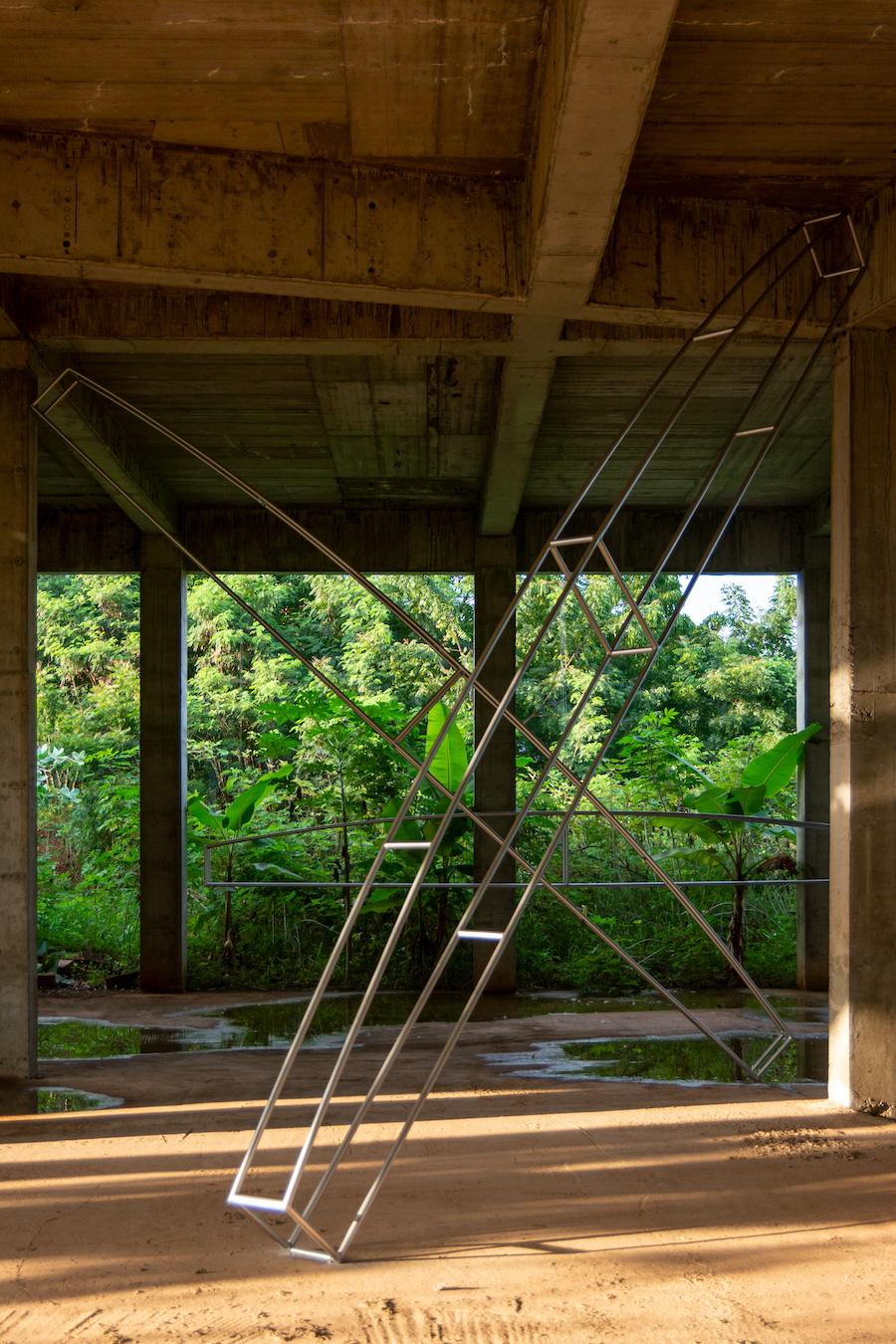
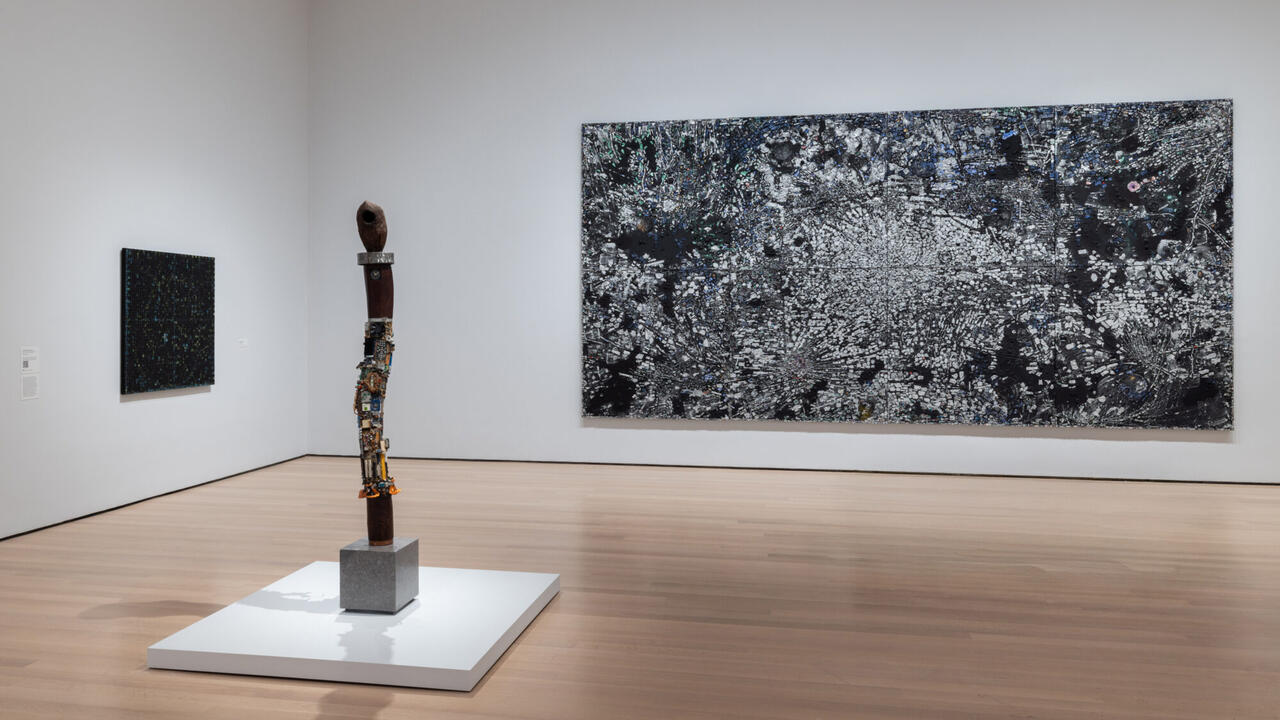
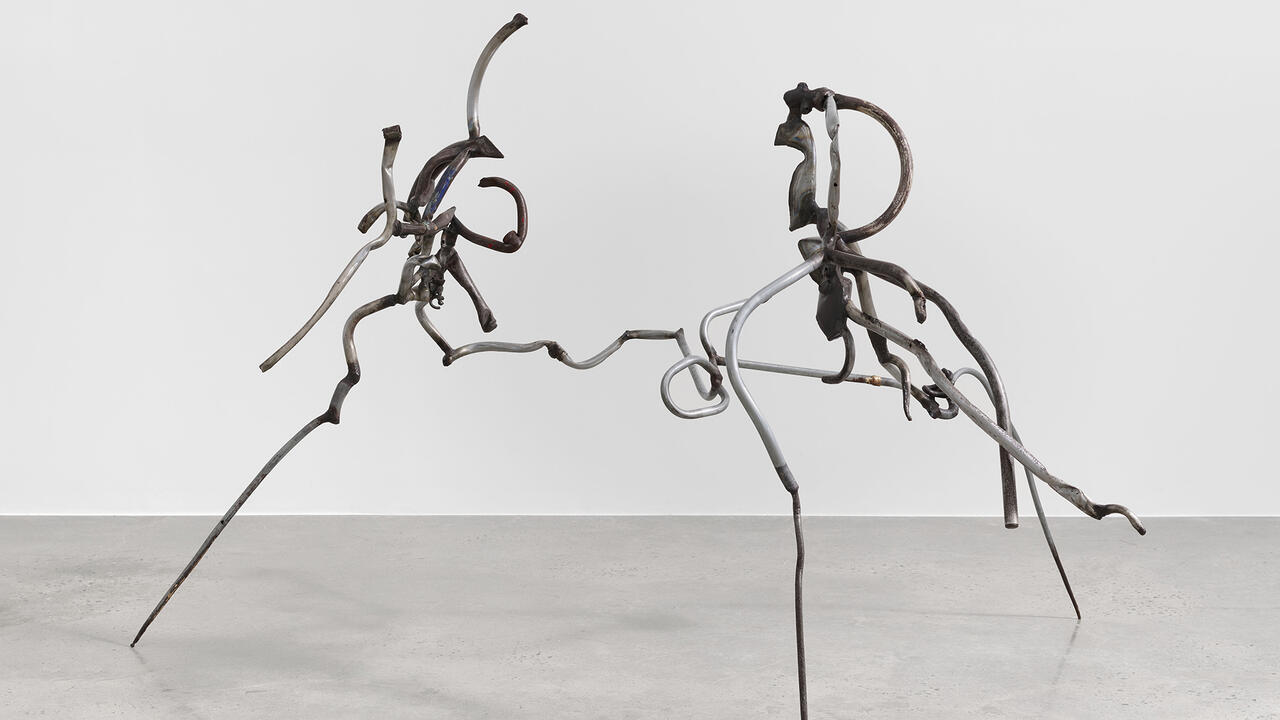
In October, Reginald Sylvester II inaugurated Accra’s new Limbo Museum with his first solo show in Africa. ‘On the Other Side of Languish’ is a meditative exhibition that entwines itself with its setting: an unfinished brutalist concrete structure on the University of Ghana’s campus, repurposed as a cultural space devoted to experimentation. Over his six-week residency, organized by the museum and Accra’s Gallery 1957, Sylvester produced 19 monumental sculptures alongside seven burnt-sienna abstract paintings, continuing his investigation into the industrial histories of rubber, tarp, aluminium and steel. Echoing the building’s skeletal frame, these sleek and minimalist steel works – such as Full Gate (Wireframe) and Jacob’s Dream – evoke crescent-shaped gateways, suggesting a transition into the spiritual realm. The exhibition nimbly positions Limbo as a provisional third space, where the unfinished becomes a site of clarity, motion and renewal. ‘On the Other Side of Languish’ runs until 9 January 2026. – Ivana Cholakova
Candice Lin & Kang Seung Lee | Gallery Hyundai, Seoul, South Korea
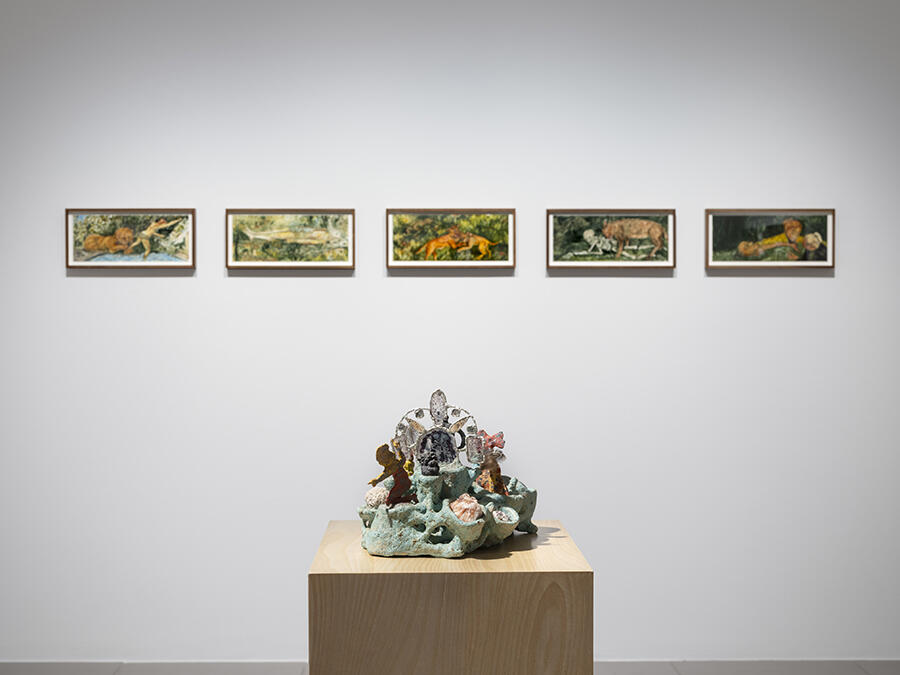
Candice Lin and Kang Seung Lee made for an electric pairing at Gallery Hyundai in Seoul, where the Los Angeles-based artists presented new and recent pieces across media. Much of the work in ‘Not I, not I, but the wind that blows through me’ had a corporeal orientation: Lee conceived of skin as a living archive and connective surface through his mixed-media works (Untitled [Skin, Constellation], 2024–ongoing) and video (Skin, 2024), while Lin’s edible drawings (Cómeme, 吃我 (Chī wǒ), Naleul meog-eo, Eat Me, Spis Mig, 2025) and sculpture, expelling a potable tincture (Vomit Clock, 2025), considered bodily processes and took a more participatory tack. – Cassie Packard
Islamic Arts Biennale | Western Hajj Terminal, Jeddah, Saudi Arabia

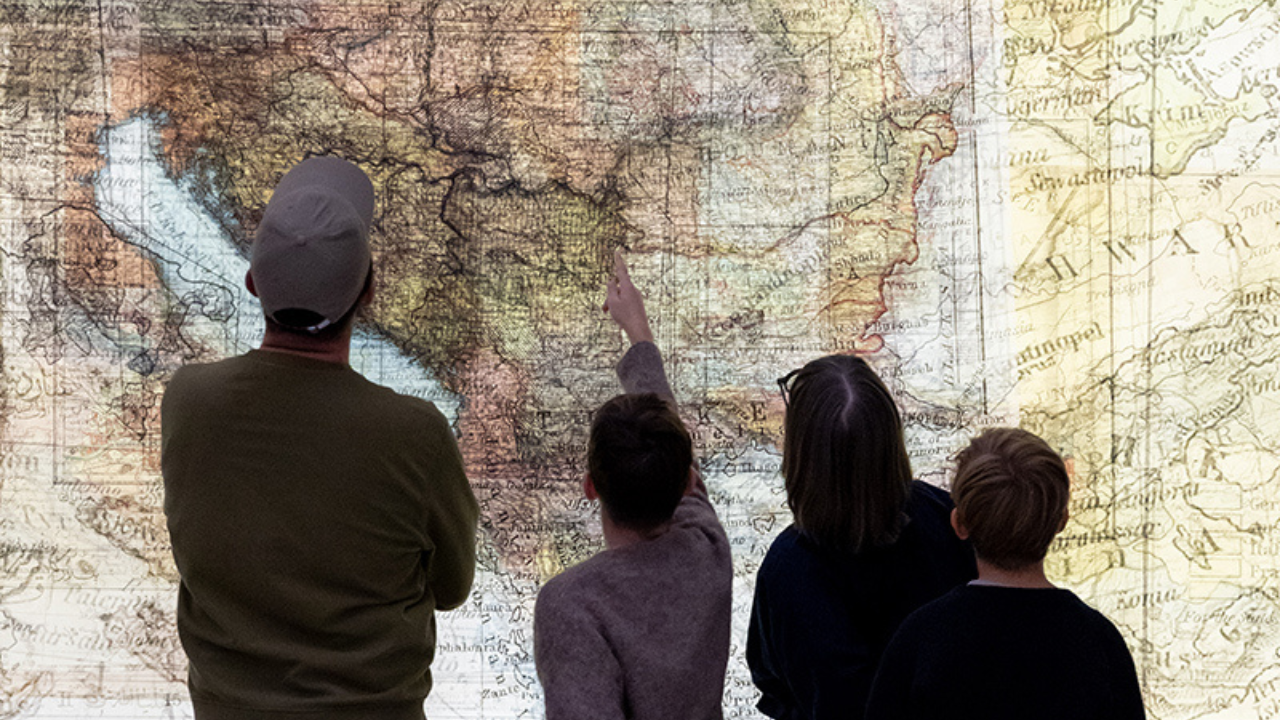
Now in its second edition, the Islamic Arts Biennale unfolded ‘And All That Is In Between’ in Jeddah’s Western Hajj Terminal, a location steeped in connotations of passage and pilgrimage. Organized by the Diriyah Biennale Foundation, this iteration foregrounded generative dialogue between the ancient and the emergent. More than 500 works – including carved Qur’anic manuscripts, astrolabes and ceramics, as well as contemporary commissions – embodied ‘Saudi Arabia’s push to define cultural narratives grounded in heritage, while stepping onto the global art stage’, as Nadine Khalil wrote. The first public display of the entire Kiswah (the cloth that drapes over the sacred cuboidal building at the centre of Hajj) outside Makkah lent the biennale a devotional heft. Meanwhile, Muhannad Shono’s curation of the contemporary art sections, particularly the outdoor elements, offered a lively focus on the ‘in-between’, with works favouring the fragile and formless. Drawing on contributions from over 30 international institutions from around the world, the biennale asserts Jeddah’s claim as a central hub in the evolving map of Islamic art. – Ivana Cholakova
Bukhara Biennial | Bukhara, Uzbekistan

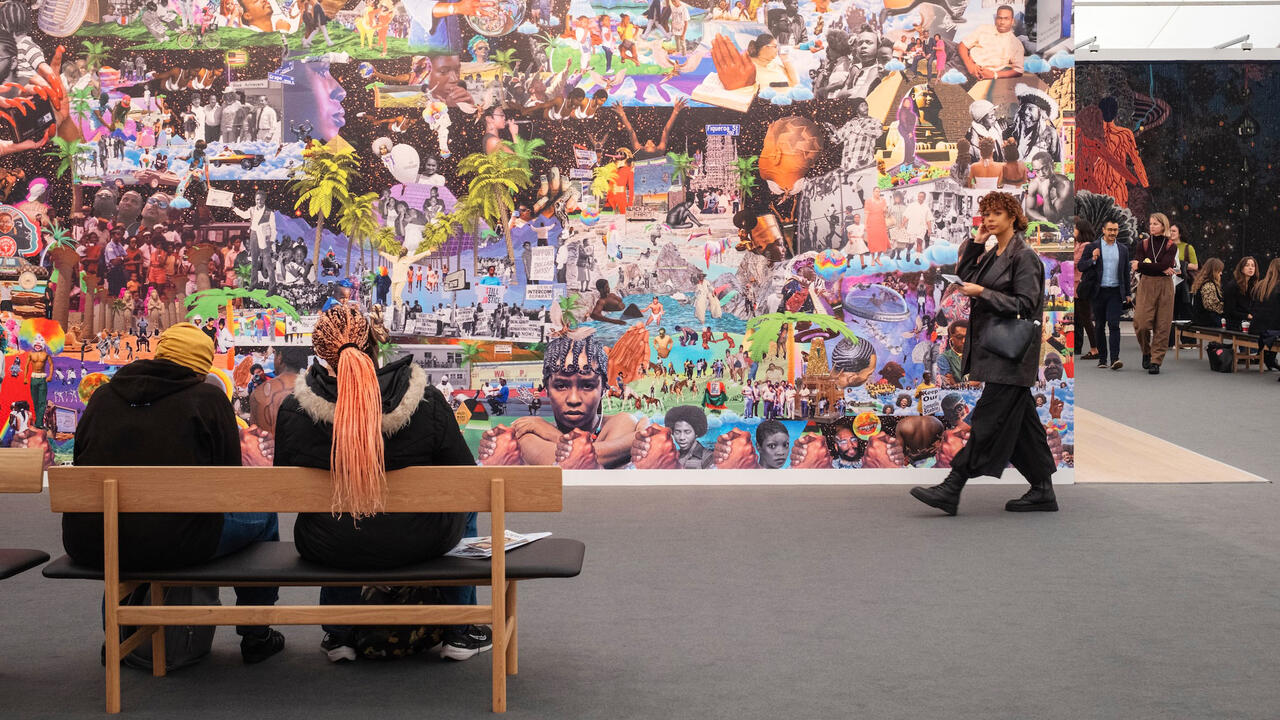
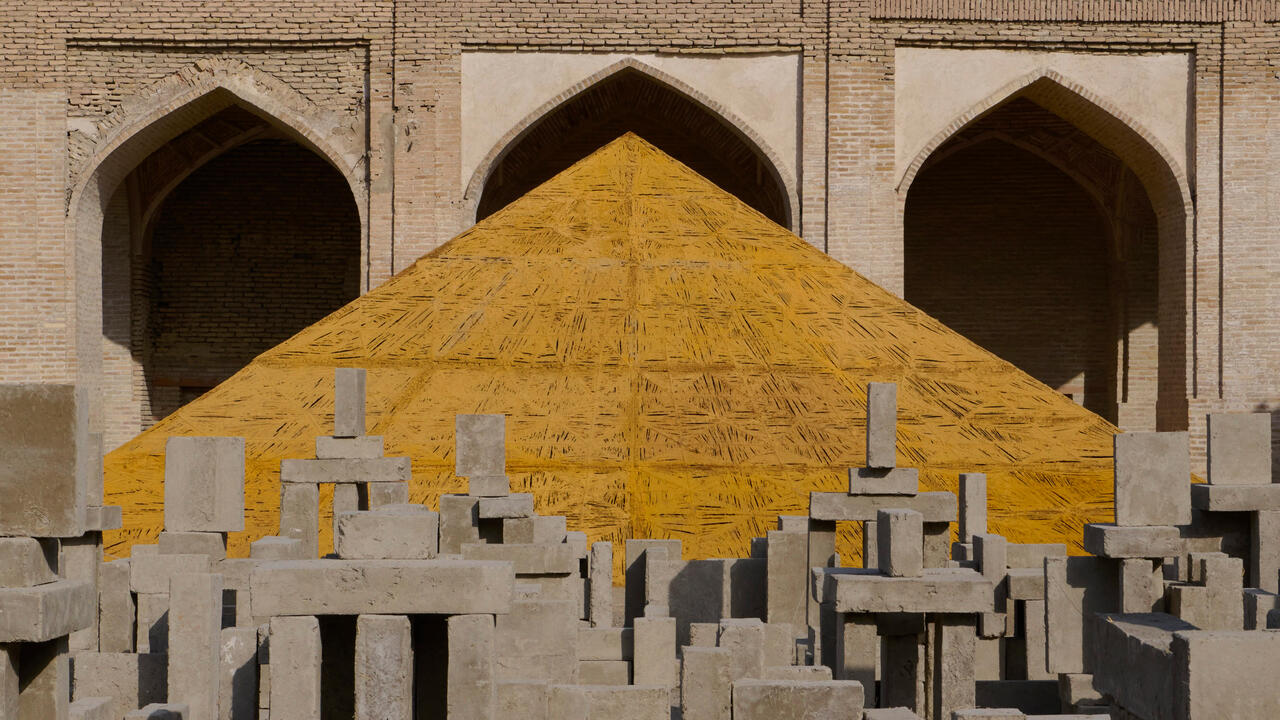
Chloe Stead travelled to Uzbekistan in September for the opening of a new biennial, staged in the more than 2,000-year-old historic centre of Bukhara and built around a unique conceit; installed across the pedestrianised streets, madrasas and mosques, 70 new commissions were produced through attentive collaborations between international artists and local artisans. Stead interpreted this model – deeply local, engaged in the fabric of the city and employing craftspeople – as a possible antidote to a widely reported ‘biennial fatigue’ in the art community, writing: ‘Indeed, it was incredibly moving to see the streets of Bukhara filled with families during the exhibition’s first evenings. Free and unticketed, the event was open to everyone, and children were especially awestruck by these unfamiliar objects in familiar surroundings.’ –Sean Burns
Lee Bul | Leeum Museum of Art, Seoul, South Korea
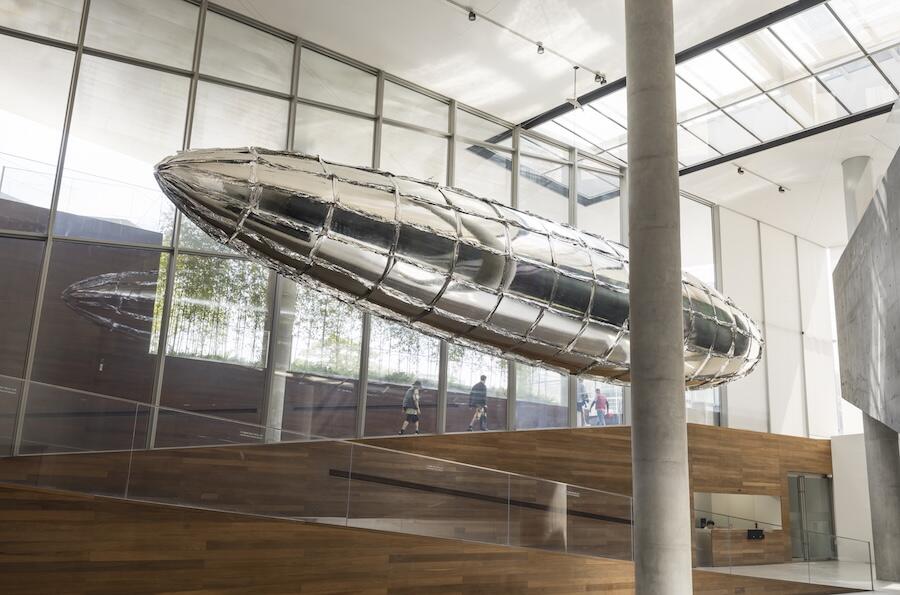
Picking up where the Seoul Museum of Art’s 2021 exhibition ‘Lee Bul: Beginning’ left off, ‘Lee Bul: From 1998 to Now’, at the Leeum Museum of Art, focused on the Korean artist’s creative output since around the time she began work on her famed ‘Cyborg’ sculptures (1997–2011). The lively, sprawling survey was anchored by Bul’s ‘Mon grand récit’ (2005–ongoing): maquettes that underscore that so-called grand narratives – like those symbolized by utopian architecture – are fundamentally cobbled together and inevitably partial. The exhibition will travel to M+ Museum in 2026. – Cassie Packard
Shinro Ohtake | Take Ninagawa, Tokyo, Japan
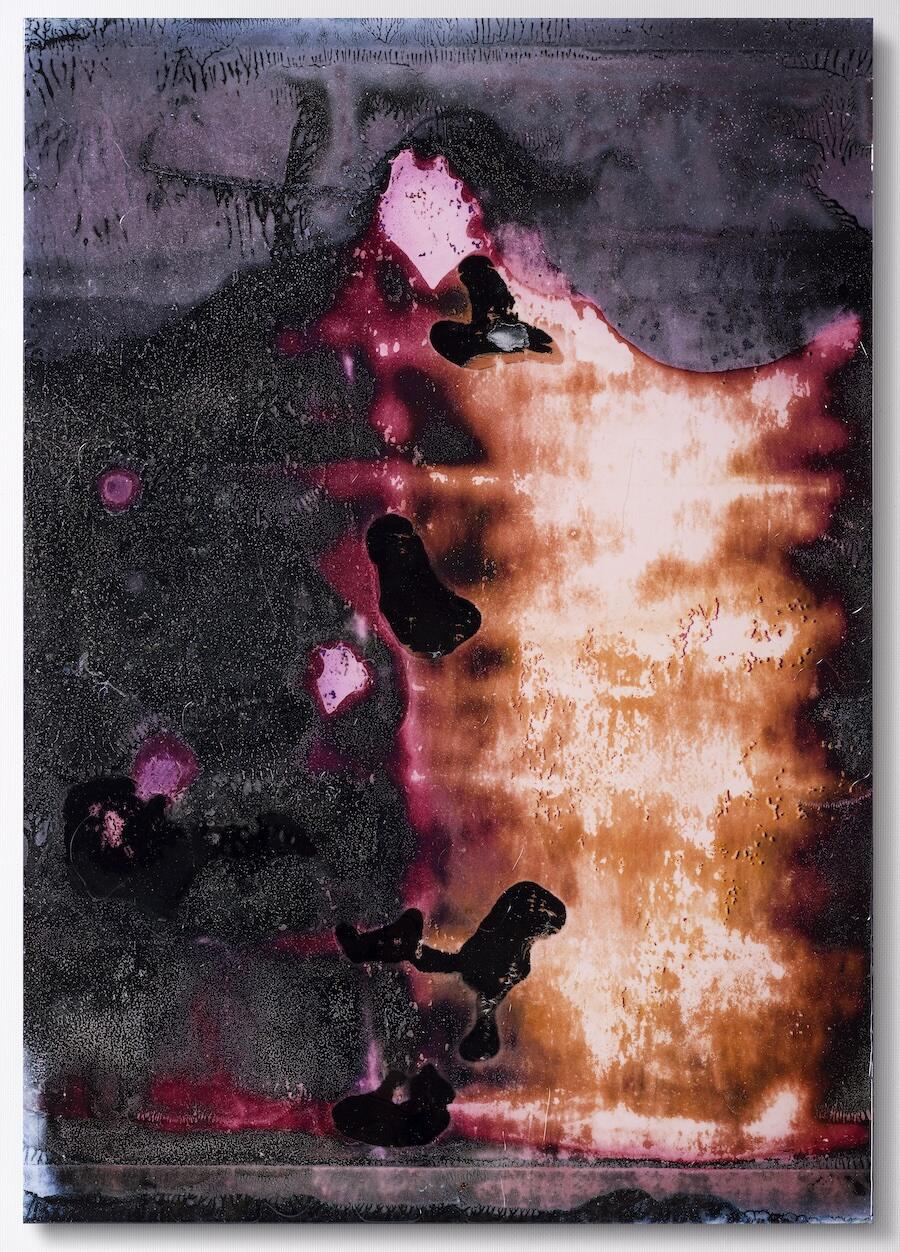
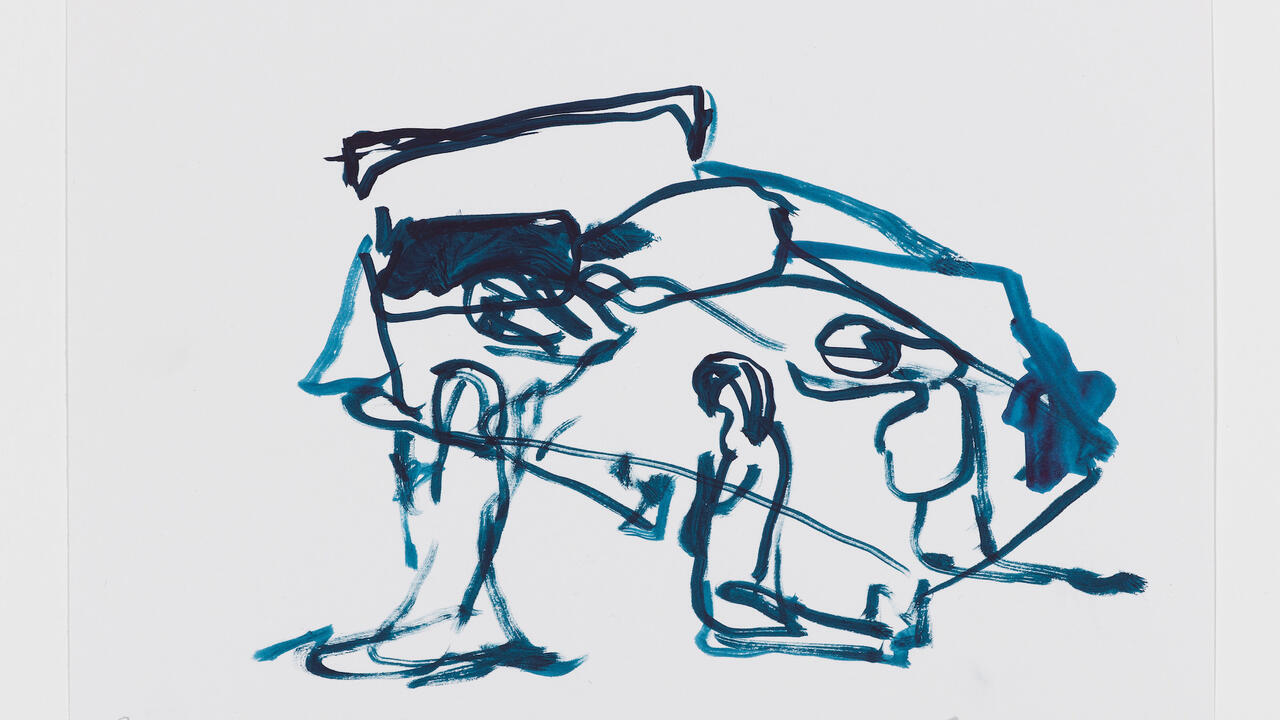
Japanese artist Shinro Ohtake works across a miscellany of media, from experimental music and painting to installation and scrapbooks. Overlapping with his show at Marugame Genichiro-Inokuma Museum of Contemporary Art, ‘Shinro Ohtake: Retina’ at Take Ninagawa, a highlight of Art Week Tokyo, featured works from the titular series: exposed film sheets from the late 1980s that the artist manipulated and coated with resin. The results hover between cameraless photographs, left to develop over decades, and abstract paintings. Dominated by pink and purple hues, these energetic works look like they’re being eaten away – corroding, burning – in real time. – Cassie Packard
‘Thread Memory: Embroidery from Palestine’ | Hayy Jameel, Jeddah, Saudi Arabia
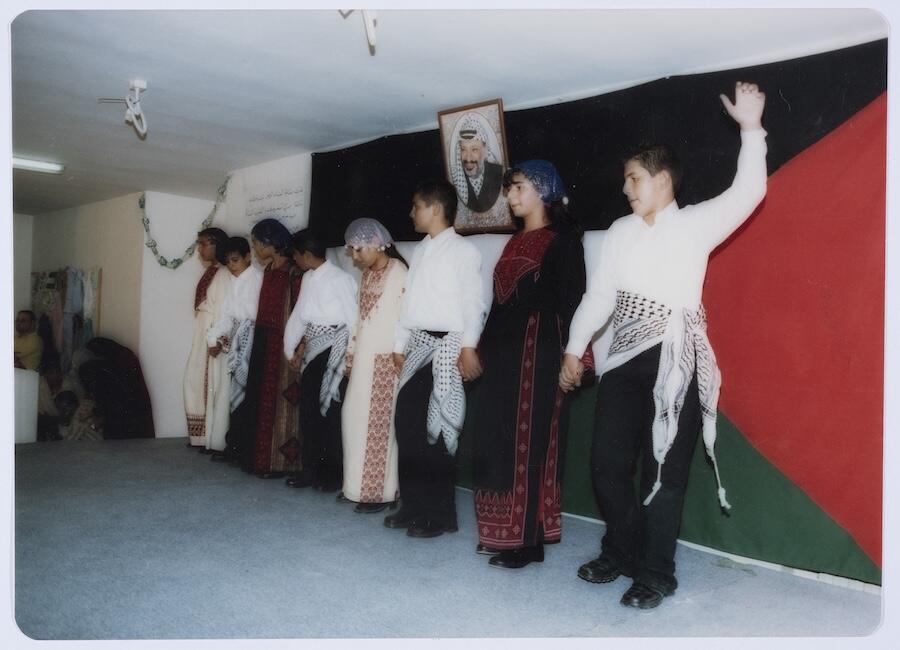
Comprising over 30 dresses and 100 archival photographs, this dynamic archive of Palestinian embroidery (tatreez) presents a deeply personal and politically potent record of life lived as a form of resistance. Particularly haunting is a 1920s blood-stained dress from the destroyed village of Bayt Nabala, which features a removable breastfeeding flap, hinting at the rhythms of daily life on the fields. Nearby, an Intifada dress from 1987 subtly embeds the colours of the Palestinian flag in a quiet gesture of defiance of those who would refuse them statehood. These are vivid, compelling works, capturing the resilience and intimacy of the everyday. The show’s strength lies in its sense of continuity: embroidery becomes a living record of labour and lineage. Reviewing the exhibition for frieze earlier this year, Nadine Khalil noted that it urges our ‘responsibility to consider which matrilineal craft histories are appropriated as tools of resistance and why.’ – Ivana Cholakova
Shilpa Gupta | Ishara Art Foundation, Dubai, UAE
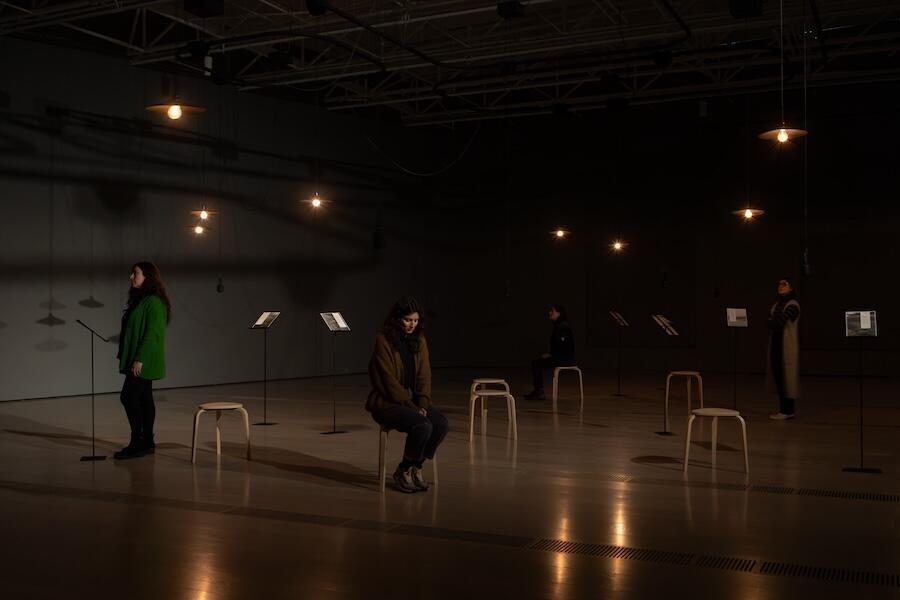
‘Lines of Flight’ was Shilpa Gupta’s first major solo presentation in West Asia this year. The exhibition examined the Mumbai-based artist’s career-long exploration of borders and migration, political power and tools of oppression, and poetry and justice. Upon entering the darkened gallery, one of the first works encountered was Listening Air (2019–22), a sound installation with microphones dangling from the ceiling. Instead of amplifying sound, the mics had been reconfigured as speakers, from which emanated music and poetry from political activists from over the decades – some of whom were martyred for their political stances or progresive views. Broad but cohesive – the show also included two decades-worth of Gupta’s sculptures, paintings and videos – if there was one message the artist wanted you to come away with it was that you can silence a person but not their beliefs: regimes may destroy the individual but never a people. Like the winter sun after many hours of darkness, truth, liberation and justice will rise. – Angel Lambo
Main image: Emma Prempeh, Mesopotamia Valley, 2024, oil, acrylic and Schlag metal on canvas, diptych, 1.1 × 4 m. Courtesy: the artist and Tiwani Contemporary; photograph: Deniz Guzel